- Get link
- X
- Other Apps
Interview with Jeroen (Global Travel Mate), Bangkok-based Real Estate Entrepreneur & Content Creator — global travel mate, bangkok expat, condominium
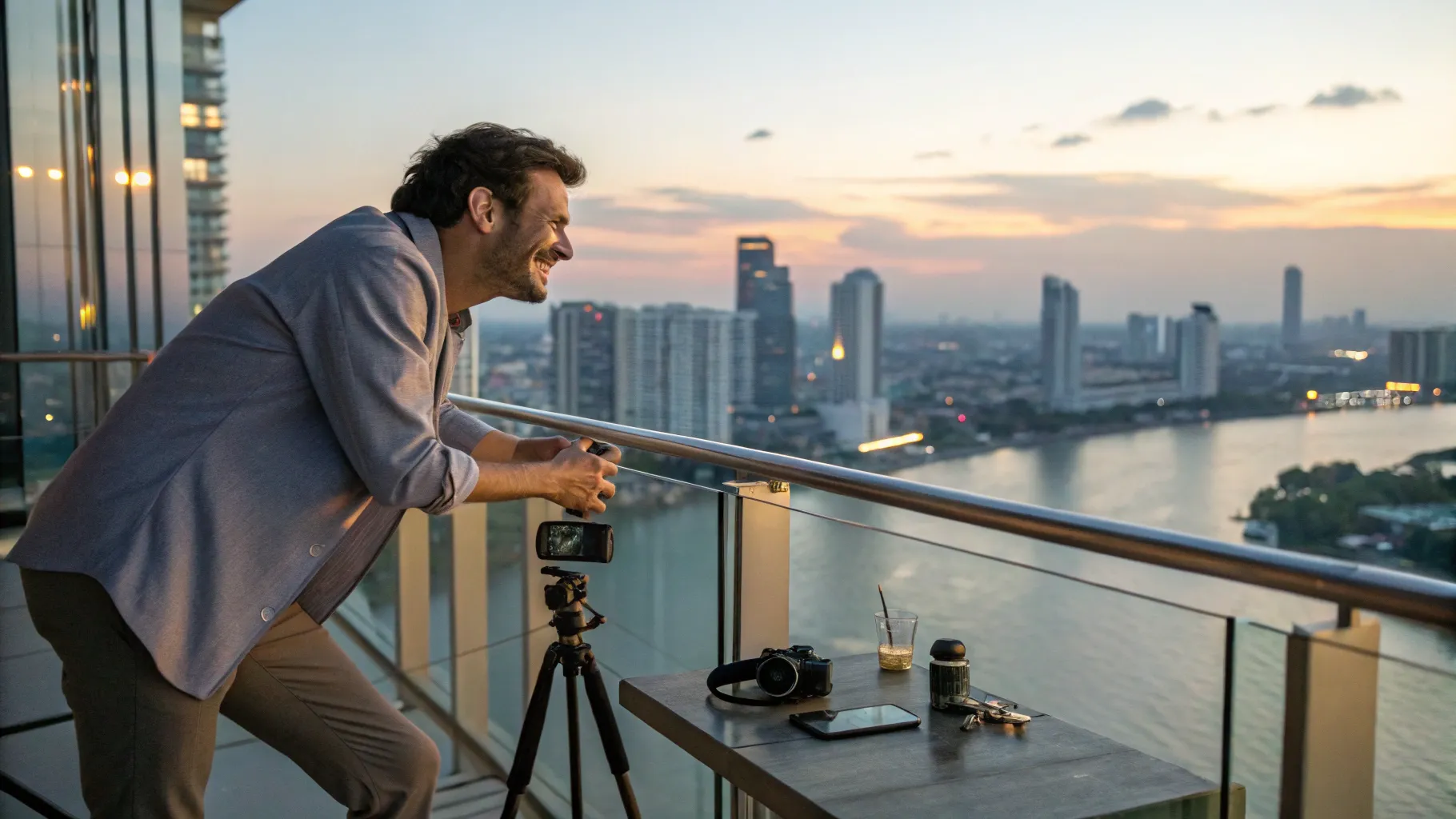
This interview dives deep with Jeroen — better known online as Global Travel Mate — a 16-year Bangkok resident who built a successful real estate company while accidentally becoming a popular content creator. If you’re a bangkok expat curious about how to rent or buy a condominium, or you follow travel, nightlife and entertainment coverage in thailand, this interview scans everything from neighbourhood choices and budget expectations to cultural realities, legal paperwork, landlord relationships, and the rapid transformation of bangkok’s infrastructure and nightlife. The keyphrase global travel mate, bangkok expat, condominium appears throughout this piece because Jeroen’s story intersects those exact topics: his brand Global Travel Mate, his life as a bangkok expat, and the condominium market he works in every day.
Table of Contents
Outline
- Intro: Who is Jeroen (Global Travel Mate)?
- Origins: How he came to Thailand and launched a business
- Content creation and the accidental YouTube growth
- Running a real estate firm as a foreigner
- Practical advice for newcomers and entrepreneurs
- Renting specifics: budgets, deposits, contracts, agents
- How Bangkok has changed (infrastructure, nightlife, cost of living)
- Safety, culture, and the “Thai way” of doing business
- Real stories: difficult cases and the worst incident
- Where to follow Global Travel Mate and One Night in Bangkok
- FAQ
About this interview
This conversation was recorded on One Night in Bangkok’s podcast and covers practical insights for travellers, digital nomads, and long-term residents. It’s written in an interview Q&A format so you can skim to the parts you care about — questions are highlighted and direct answers follow. Throughout the article we reference global travel mate, bangkok expat, condominium as a consolidated topic because it ties the video’s most useful themes together.
Q: Who are you, and what brought you to Bangkok?
A: My name is Jeroen. I’m from the Netherlands and I’ve been living in bangkok, thailand for 16 years. My journey started with travel, an online business back home, and curiosity. My wife — who’s Romanian — and I were traveling, looking for a new place to live. She’d seen documentaries about places like Phang Nga Bay and Phuket, and the idea of Thailand appealed to us. We arrived with minimal ties to Thailand but with some income generated online, which made the transition easier. Over time I started a real estate business focused on condominiums and rentals — Sukhumvit Homes — and later used content creation to both show bangkok to the world and support our real estate work.
Q: How did you become “Global Travel Mate” and start producing daily content?
A: Global Travel Mate wasn’t my first channel. I’d experimented with videos-with-ai-most.html" target="_blank">YouTube early on but stopped because upload speeds were painfully slow. During the pandemic, with the city quieter and lockdowns in effect, I started filming Bangkok on my bicycle to document empty streets and everyday life. I posted these bike videos on my property channel at first and noticed the views were much higher when I showed Bangkok than when I uploaded property walkthroughs. That led to the idea of reviving the Global Travel Mate channel and posting daily. I made simple videos — some without talking at first — and gradually added voiceovers and personal intros. The consistency helped: I published a video a day for over two years on YouTube, and also built an Instagram habit of quick morning updates (the “good morning” clips people now associate with me).
Q: You run a real estate company in Bangkok. How did you switch from travel content to property services?
A: It was a practical pivot. When we first arrived and started Global Travel Mate as a travel blog, there wasn’t significant revenue from that work. People started asking questions about long-term living, apartments, and rentals. My wife had a background in real estate, and we had a basic structure to launch a property company. Eventually the channels complemented each other: about every fifth or sixth video would be a property walkthrough or condo review. This soft marketing worked. People discovered bangkok through our content and then reached out for rentals or purchases. Using content to show the city, local lifestyle, roof bars, travel neighbourhoods, and condominium options built trust and led to business leads for our real estate operations.
Q: Are you a full-time YouTuber or is that separate from your business?
A: I’m not purely a YouTuber. The real estate business is my core; YouTube and Instagram are marketing channels. There are creators who are able to live only from content revenues, but for me the online presence drives clients into the real-world business. It’s common for bangkok content creators to have offline ventures: restaurants, bars, real estate, marketing services. My approach is to treat the YouTube channel and Instagram as windows into bangkok life and condominium markets, while the property company handles rentals and sales. That dual model keeps the business grounded and sustainable.
Q: How did your content strategy evolve — why do you film daily “good mornings” on Instagram?
A: The morning clips began as a way to show short, honest weather and street updates that answered a frequent viewer question: “Is it raining? Is Bangkok empty?” Rain videos and short cuts of Sukhumvit or rooftop views get engagement because they’re relatable. The daily “good morning” updates are lightweight and create a routine: when people wake up in other time zones, they get a snapshot of bangkok and think, “I know this guy.” That consistent small touchpoint builds familiarity. Combined with in-depth YouTube videos, the two platforms feed each other.
Q: What’s it like running a real estate company in Thailand as a foreigner?
A: It’s doable but it takes planning and compliance. We had to set up a company, hire Thai staff, get the right permissions, and make sure finances are transparent. My experience was eased by having financial backing and a partner who knew the sector. Thailand isn’t the easiest place to do business, but compared to many European countries, it’s still relatively flexible and pragmatic for foreign-run companies. The key is to respect Thai regulations, work with local advisors, and build relationships — especially with owners and building managers. Also, adapt your expectations: Thai business culture emphasizes negotiation, relationship-building, and saving face. If you come with a rigid “Western” approach you’ll run into friction.
Q: What practical advice do you have for foreigners who want to start a business in Bangkok?
A: First, identify a real market gap. Don’t copy a beer bar unless you bring a strong concept. Many newcomers gravitate to easy ideas that are over-saturated. Do basic local market research: who are your customers, where do they live, and how will your product or service reach them? Second, be flexible. Thai business culture requires patience and negotiation. Third, ensure you have a legal and financial plan: company registration, visas, proper employment contracts for Thai staff, tax registration and accounting. Fourth, if you’re going into property or hospitality, build great relationships with owners and partners because word-of-mouth and local trust matter more than a big marketing push in the early days. Finally, plan for cashflow — and remember that the internet, social media, and YouTube are excellent channels to show your concept in action.
Q: How has Bangkok changed since you arrived 16 years ago?
A: The transformation is massive. When I arrived, the BTS and MRT networks were limited. Sukhumvit’s end-station used to feel like the edge of the world — now it’s connected. Over the last 4–5 years the city launched multiple new lines (yellow, pink, blue extensions, etc.) and opened many stations in relatively short time. Infrastructure expansion has shaped real estate development: everyone builds near BTS and MRT stations. That changed where people live, where they dine, and how they commute. The skyline has shifted with many new condominium towers. Nightlife and rooftop bars have also evolved — some places have closed or relocated while new entertainment venues and nightclubs appear, often targeting more upscale or international crowds. The price of food and dining has increased, and certain neighbourhoods have become premium because of their transport links and amenities. In short, bangkok is modernizing fast and that’s affected condos, rentals, nightlife, travel experiences, and overall cost of living.
Q: Do you miss anything from the “old” Bangkok?
A: I miss some of the street culture — late-night street stalls, raw local markets, and the spontaneity of makeshift bars that used to appear on Soi 11 and Sukhumvit. There used to be more street-side vans turned into bars and smaller chattiness in neighbourhoods. Over time, regulation, urban development, and the growth of modern malls and towers have sanitized parts of the city. That said, development has improved infrastructure and expanded opportunity for many Thais. The trade-off is more structure and fewer impromptu roadside scenes that gave bangkok a rougher edge. Another change was the end of elephants walking through parts of the city — that was a cultural flashpoint that stopped after animal welfare concerns and traffic hazards became evident.
Q: Is Bangkok getting too expensive because of tourists and foreign influence?
A: Opinions vary depending on where you live and what you compare. People who arrived earlier will often reminisce about lower prices. The truth is nuanced: many foreigners and expats concentrate in certain central neighbourhoods (Sukhumvit, Thonglor, Sathorn, Silom), which pushes rents and condominium prices up in those pockets. However, the majority of Thais don’t live in those central districts; they live in suburbs where prices are relatively stable. Development tends to be driven by infrastructure: new BTS/MRT stations bring new condos and higher rents nearby. Restaurants, nightlife and roof bars opening in prime areas create a perceived “expensive Bangkok” because those venues target customers who can afford it — a mix of affluent Thais and foreigners. So yes, it’s more expensive in hot zones and for modern condominiums, but if you move further out or choose older buildings, living can still be affordable.
Q: How have rents and the cost of restaurants changed — are many venues targeting foreigners now?
A: Many new restaurants and bars charge prices that are noticeably higher than years ago. Some venues price themselves for tourists and expats; others are geared to affluent Thais. Post-pandemic rents initially decreased, then stabilized and rose again as demand returned. That has forced some restaurants to increase prices to cover higher costs. Despite that, there are still excellent, affordable local options in non-touristy neighbourhoods. If you stick to the tourist corridor or rooftop bars and exclusive nightclubs, expect to pay a premium. If you venture into everyday parts of Bangkok, street food and local neighbourhood dining remain accessible and great value. The varied range of bangkok dining means you can choose a lifestyle within your budget.
Q: Where should a young foreigner new to Bangkok look for a condominium on a reasonable budget?
A: That’s a common question and it depends on priorities. If budget is the main constraint, aim for areas outside central Sukhumvit but still near a BTS or MRT line — On Nut is a strong example. On Nut has modern buildings with access to the BTS station, street food, small malls, and an easy commute to central Sukhumvit. For a single person wanting a comfortable western-style condo with some space (about 40 sqm), On Nut can offer options for around 15,000–20,000 THB per month depending on building quality and furnishings. If you prefer living in the heart of nightlife and rooftop bars, be prepared to pay more — the central Sukhumvit corridor and Thonglor will cost significantly more. Older buildings within central zones may offer larger space at lower rents but without the newer building amenities. The two-bedroom vs. one-bedroom price dynamics are interesting here: newer condos often cram two-bedroom layouts into smaller net usable space, yet they charge a premium for “two bedrooms.” Older buildings may give more square footage for the same price but with fewer amenities like gyms and infinity pools.
Q: What’s a realistic monthly budget for a western-style condo in Bangkok?
A: Realistically, there are multiple tiers. For central, modern, amenity-rich condos (new projects near BTS/MRT) you’ll find one-bedroom units from around 25,000 THB and up. Many agents and companies handle luxury listings 75,000 THB and higher for spacious two-bedroom units in central neighbourhoods. For a practical, comfortable one-bedroom in a good location (not the top-tier building), expect 15,000–25,000 THB. If you’re a tight-budget renter willing to live further out or in an older building, you can find studios or small one-bedrooms from 8,000–12,000 THB. But remember: you get what you pay for. Smaller rentals in the central zone will be compact shoe-box units (25–35 sqm), while a 40 sqm condo in On Nut for 15,000–20,000 THB offers more livable space. If you need two bedrooms in the center, prices typically jump significantly — sometimes double a one-bed — especially for newer developments.
Q: How do agents and property listings work in Bangkok? Why is it so hard to find accurate listings online?
A: The online portals (DDProperty, HipFlat, etc.) are crowded and inconsistent because many different agents can post the same unit multiple times. Listings often remain visible after a unit is taken. Agents sometimes under-price listings to attract inquiries, then upsell other properties when the initial one is gone. Some agents demand detailed personal info before confirming availability, leading to frustrating back-and-forth. My tip: pick one agent you trust and work with them consistently. A reputable agent should make phone calls to owners, coordinate viewings, and be transparent about availability. Agents operate on commission paid by owners, so the renter typically doesn’t pay a fee. But the market is cluttered — pick an agent with local knowledge and a good track record to avoid wasted time.
Q: What should renters expect when it comes to deposits and contract terms?
A: The typical practice is a two-month security deposit and one-month advance rent for a one-year lease, which is the most common format. There was a regulation discussed in the past about limiting deposits when an owner holds multiple units, but that’s hard to enforce without clear ownership records. If the owner insists on three months deposit (which is less common), it’s often negotiable — especially if you have references, stable income, or can demonstrate visa/financials. Legally, leases can include clauses that cover early termination, damage, and other penalties. If you break a one-year contract early, the owner can claim damages as per the contract. Many disputes end up being negotiated because formal legal action is slow and costly. A practical approach is to have a local agent or property manager who can mediate in deposit disputes; in high-value cases, legal action may be necessary, but most owners and agents try to resolve things amicably.
Q: Are landlords generally fair? Any cultural differences between Thai and foreign owners?
A: In my experience, most Thai owners are fair and reasonable. Thai culture values relationships and saving face, which often leads owners to resolve disputes without burning bridges. Foreign owners can vary: some are absent landlords who are harder to contact; others are equally reasonable. One tip: owners with higher financial means often prefer hassle-free arrangements and will settle quickly rather than prolong disputes. Culturally, Thai landlords might be more personal and emotional about property issues than some Western owners, and you’ll notice directness differs by nationality. But overall, you’ll find both fair and problematic owners across the board — the majority are honest and want their property maintained.
Q: What happens when tenants don’t pay rent? Can owners legally cut water and electricity or repossess units?
A: The practice is pragmatic. Some owners or building managers will disconnect utilities if a tenant stops paying; others will pursue the renter through legal channels. Legally, a contract is enforceable, but procedural protections for tenants are weaker here versus some western countries. That means landlords often have the upper hand in practice. If you’re a renter, keep lines of communication open if you have a payment problem and negotiate for time or partial payments. If the issue escalates, an agent or lawyer can help mediate. For owners, taking immediate action without proper notice can create reputational issues and legal exposure, so many owners prefer negotiation first. The best practice for renters is to secure a reliable agent who will step in if trouble arises.
Q: Have you experienced any extreme or scary incidents with tenants?
A: The worst incident I ever had involved a tenant who was murdered. Years ago, a Spanish tenant’s remains were discovered in the Chao Phraya River — a chilling and tragic case. It hit our company hard because we’d met and rented to the person. There have been other difficult cases where tenants destroyed property or left unpaid balances, but violent crime is rare. Those extreme stories are exceptions and stand out precisely because they’re not normal. Still, they remind you that property management involves risk and that good vetting, references, and local relationships can reduce exposure.
Q: What are the cultural “must-knows” for foreigners renting in Bangkok?
A: A few essentials: be flexible and patient, learn some Thai basics (it helps with landlords and staff), respect local customs, and be ready to negotiate. Don’t assume practices back home will work the same here — paperwork and timelines can differ. Also, build a local support network: an agent, a Thai-speaking friend, and a property manager are invaluable. Wear a helmet on a motorcycle — road incidents are common, and enforcing safety helps avoid personal tragedy. Finally, if you are starting a business, respect Thai business etiquette and be prepared to adapt your management style to local expectations.
Q: Which neighbourhoods do you recommend for different lifestyles — nightlife, family life, and budget living?
A: For nightlife, rooftop bars and nightclubs, central Sukhumvit, Thonglor, and Silom are the standard picks. They offer entertainment, restaurants, and easy taxi or BTS access. For families, Sathorn and certain parts of Ari and Phrom Phong provide quieter living, international schools, and parks. For budget-conscious expats, On Nut and parts of Bang Na offer great middle-ground options with BTS access and decent local amenities. If you want modern amenities in a new building, be prepared to pay more near the BTS. If you want space and value, older buildings further from prime nightlife may be more suitable. Bangkok’s variety means you can match your lifestyle to a neighbourhood — whether your priorities are travel access, nightlife and roof bars, family life, or cheap local food.
Q: For people who prefer long-form content, where should they follow you?
A: I prefer YouTube for long stories and full walkthroughs — that’s where I post in-depth videos about bangkok neighborhoods, condominium tours, and street-life explorations. My Global Travel Mate YouTube channel is where I publish longer content. Instagram is great for short daily updates (the “good morning” clips) and quick snapshots of the city, perfect if you want bite-sized bangkok updates. One Night in Bangkok’s podcast also hosts interviews and conversations that dive into the local scene, nightlife, travel tips, and behind-the-scenes business insights. For anyone interested in the intersection of global travel mate, bangkok expat, condominium — follow both the YouTube channel and Instagram for complementary content.
Key Takeaways
- Global Travel Mate began as travel documentation and became an effective marketing tool for a real estate business that serves bangkok expats and long-term residents looking for condominiums.
- Bangkok’s infrastructure expansion (new BTS/MRT lines) has been key in shaping condos, rents, and new entertainment hubs—roof bars and nightclubs included.
- Choose neighbourhoods based on lifestyle priorities: On Nut for budget/western-style condos with space; Sukhumvit/Thonglor for nightlife and roof bars; Sathorn/Phrom Phong for family-friendly living.
- Work with one trusted agent to avoid listing confusion; be ready to negotiate with owners over deposits and contract terms.
- Thai cultural norms influence landlord-tenant interactions — save face, stay flexible, and build relationships for smoother outcomes.
FAQ
Q: What is Global Travel Mate and how does it help bangkok expats looking for a condominium?
A: Global Travel Mate is Jeroen’s content brand and YouTube/Instagram presence that documents life in bangkok and surrounding areas. It helps bangkok expats via visual neighborhood tours, condominium walkthroughs, transport and infrastructure updates, and practical tips about living in thailand. The channel often ties back to real estate services where viewers can ask for help finding condos and navigating rental contracts.
Q: How much should I budget per month for a western-style condominium in Bangkok?
A: Expect different tiers. On a tight but reasonable budget in a connected area like On Nut, plan for 15,000–20,000 THB for a 40 sqm one-bedroom. Central modern one-bedrooms usually start around 25,000 THB and go up. Spacious two-bedroom apartments in central luxury buildings can be 75,000 THB and above. If you choose older buildings farther out, studio and small one-bedroom units can be found for 8,000–12,000 THB. These ranges fluctuate with demand and seasonality, so use a trusted agent for current local pricing.
Q: What is the typical security deposit and are there legal protections?
A: A standard deposit is two months plus one month advance rent on a one-year lease. There was guidance limiting deposits in certain cases, but enforcing ownership thresholds is difficult. Responsibility for returning the deposit usually depends on the lease terms; owners can retain funds for damages, cleaning, unpaid rent, or breach clauses. Negotiation often resolves disputes, but legal recourse is available for high-value conflicts. Having a reputable agent and a clear inventory at move-in helps protect your deposit.
Q: Are landlords easy to work with in Bangkok?
A: Most landlords are reasonable. Thai owners often value harmony and will work toward a compromise rather than escalation. Foreign owners vary: some are distant and harder to reach; others are accessible. In general, owners with more money prefer not to have hassles and will settle disputes quickly. Good documentation (photos at move-in, signed inventory lists) and an intermediary agent make interactions smoother.
Q: What neighbourhoods should a nightlife-loving expat target?
A: Sukhumvit, Thonglor, and Silom are the best choices for nightlife, roof bars, nightclubs, and entertainment. These areas are central, lively, and have an abundance of restaurants and bars. Expect to pay more for condos in these zones, especially for modern developments near BTS stations.
Q: How do I avoid scams or misleading online listings?
A: Use one trusted agent, ask for direct confirmation with building management, request recent photos and exact unit numbers, and visit the property in person before signing anything. Beware of listings that look too good to be true — agents often repost the same unit across platforms. If an agent pressures you for personal information without clarifying unit availability, consider moving on.
Q: Can I live comfortably in Bangkok on $1,000 per month?
A: Yes, with compromises. You can rent a small studio or older one-bedroom further out and use local food and transport to keep expenses low. But $1,000 may not get you a spacious western-style condo in a central neighbourhood. If you want a larger condo with modern amenities, expect to pay more. Decide on priorities: space and amenities vs. location and convenience.
Q: Where can I follow Global Travel Mate and One Night in Bangkok?
A: Global Travel Mate is active on YouTube (in-depth videos), Instagram (daily "good morning" updates and short clips), and TikTok. One Night in Bangkok hosts the podcast episode featuring this interview and posts full episodes and clips on its YouTube channel, Instagram, and other podcast platforms (Spotify, Apple). Following all these channels gives you a rounded view: long-form condominium tours and practical guidance from Global Travel Mate, plus local nightlife and entertainment coverage from One Night in Bangkok.
Final Thoughts
The combined story of Global Travel Mate, the bangkok expat experience, and condominium living illustrates how content creation and real-world business can complement each other. Jeroen’s approach — consistent, practical, and rooted in local relationships — shows how foreigners can build sustainable ventures in thailand while enjoying the city’s remarkable mix of nightlife, roof bars, varied travel experiences, and a growing condominium market. If you are a prospective expat or a traveller planning an extended stay, take away these core steps: choose a neighbourhood that matches your lifestyle priorities, work with a trusted agent, learn the local cultural rhythms, and treat YouTube/Instagram as useful tools for researching bangkok the way Global Travel Mate does.
“If you want to live in bangkok and do it well, be flexible. Find one good agent, pick a neighbourhood near a BTS/MRT station, and use local relationships to make renting or buying a condominium straightforward.” — Jeroen (Global Travel Mate)
If you enjoyed this interview, check out the One Night in Bangkok podcast episode featuring Jeroen, subscribe to Global Travel Mate on YouTube for condo tours and city updates, follow the Instagram daily clips for morning weather and bangkok snapshots, and join local communities that can answer practical relocation questions.
SEO is LIVE |
|
Check out this really cool SEO websites |
| Do NOT Click me |
Comments
Post a Comment