- Get link
- X
- Other Apps
Interview with Rafa Goes Around!, Travel Vlogger: Exploring Chongqing — China’s Most Extreme City and Essential Tips for Travel in China
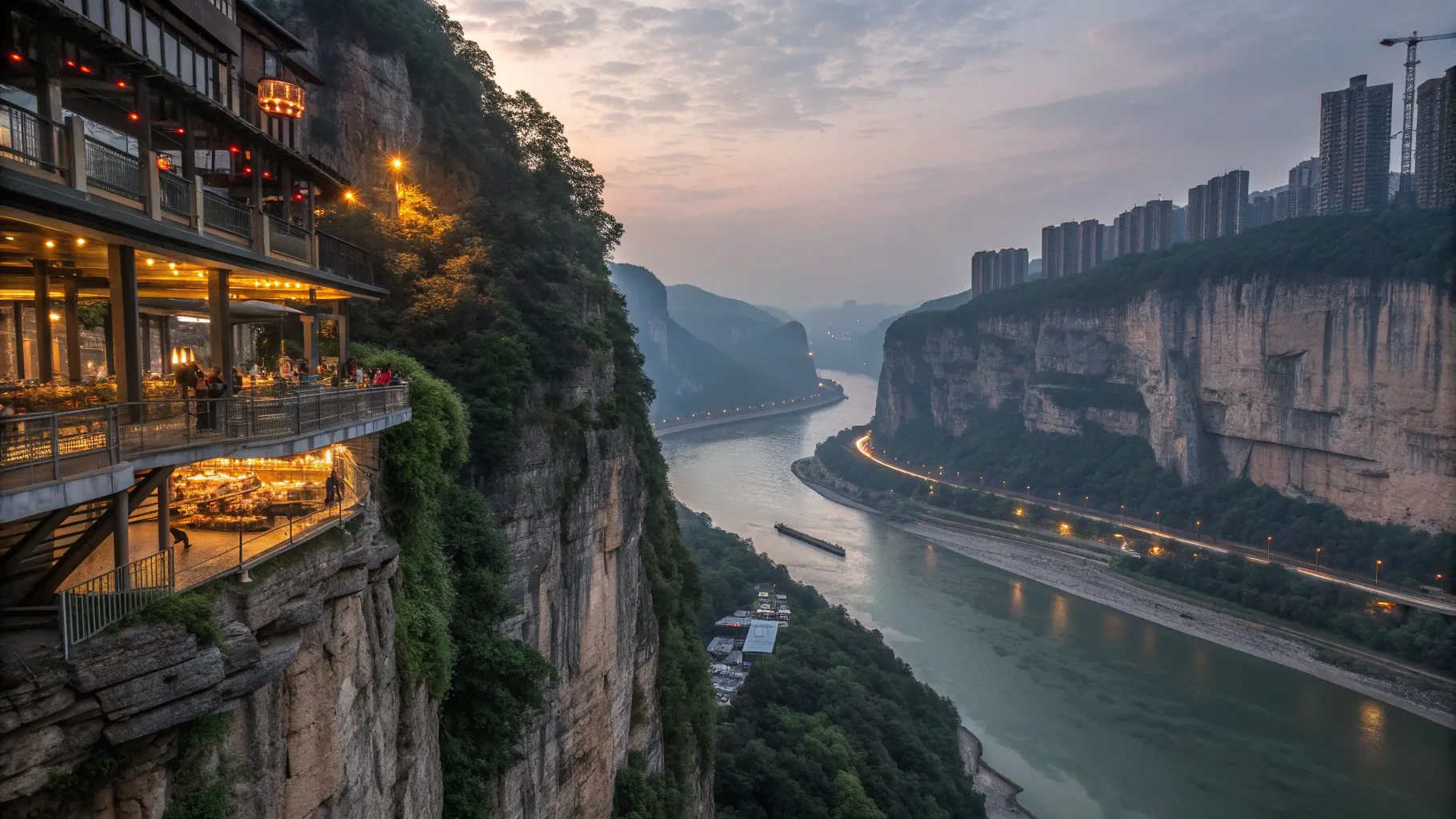
Table of Contents
- Introduction
- Detailed Practical Guide — From the Interview Expanded
- FAQ — Frequently Asked Questions (Compiled from the Interview and Expanded)
- Closing Thoughts and Credits
Introduction
This interview captures a full, candid conversation with Rafa Goes Around!, the travel vlogger behind the video "CHINA’S MOST EXTREME CITY." Rafa spent about 12 hours in Chongqing (sometimes written as congqing) and recorded experiences that range from dining in an underground bomb shelter to walking out onto a glass skywalk at the top of Raffle City. In this interview format we explore what makes Chongqing such a compelling stop for anyone planning travel in China — the architecture, the engineering, the food, the public transit, and practical tips for visitors and fellow creators interested in chinatravel and chinavlog content.
Throughout the interview Rafa shares first-hand observations and actionable advice for travelers, peppered with reflections on the future of travel and how cities like 重庆 (Chongqing) are reshaping expectations for urban exploration in 中国 (China). If you’re planning travel in china, reading a chinatravel blog, or just curious about chinavlog culture, this interview will bring the video to life and expand on details that matter for real-world trips.
Q: Rafa, thanks for chatting. First impressions — how would you describe Chongqing to someone who’s never been? What makes it stand out for travel in China?
A: Thanks — happy to share. The first time you arrive in 重庆 (Chongqing), you realize it’s unlike many other Chinese cities. It’s a mega-city carved into mountains, full of dramatic elevation changes, countless bridges, tunnels, and layered streets. For travel in china it feels almost cinematic — the roads twist and intersect in ways that feel engineered for set design rather than straightforward traffic flow. The skyline doesn’t look like a single grid; it’s vertical, dramatic, and chaotic in a beautiful way. That makes it a standout for chinatravel because you can go from narrow alleys to sweeping observation decks in minutes, and each vantage point offers a totally different view of the city.
Chongqing (congqing) also delivers sensory extremes: humidity, intense hot pot flavors, and a buzzing public transit system. It’s both ancient and hypermodern. If you’re making a list of places to explore during travel in china, 重庆 should be high on it precisely because its contrasts are so strong — natural mountains, massive infrastructure projects, and old neighborhoods sitting under elevated highways.
Q: In your video you call Chongqing a "cyberpunk mega city." What elements of urban design contribute to that vibe? How can travelers experience it?
A: The "cyberpunk" label comes from several visual and structural cues. First, the city has bridges and elevated rail lines slicing through dense neighborhoods — you’ll often see trains running through or above the built environment in unexpected places. Second, there are neon lights, steep stacked roads, and buildings that seem to grow out of the slopes. Third, the mix of preserved older tunnel walls (like the bomb shelter restaurants) and glossy glass towers (like Raffle City) juxtapose raw texture against high-tech sheen. For travel in china, that provides incredible photo opportunities: night shots of layered highways, metro lights cutting through fog, and neon-lit riverside walks.
To experience it firsthand, I recommend: walking sections of Jiefangbei and nearby hills at night, taking the light rail at elevated stations, visiting the bomb shelter restaurants to feel the subterranean history, and going up to observation decks — Raffle City is one of the most iconic. These activities show both the gritty and polished sides of the city, which together create that cyberpunk feel.
Q: The video shows you eating in an underground bomb shelter turned restaurant. Tell us the backstory and what the experience was like. Is this common in Chongqing?
A: Yes, it’s an unusual but fascinating slice of local history. During World War II, many cities built bomb shelters, and 重庆 has a network of tunnels that were used historically for protection. Over time, as the need for shelters waned, some of these spaces were repurposed. In Chongqing you can actually find restaurants that operate inside these former bomb shelter tunnels — the decor keeps the original, rough wall surfaces and you’ll see neon lighting and communal tables that highlight the tunnel’s original character.
My experience felt surreal: you step down from a hot, humid street into a cool, shaded tunnel system. The underground temperature felt pleasant — no air conditioning required. The tunnels are interconnected, creating a small subterranean "city". Walking through them, I noticed how the designers added lighting and seating while retaining original walls, paint, and ceiling textures. It’s part restaurant, part living museum.
For travelers, it’s a must-see because it offers a tactile sense of historical continuity — how a space that once served for protection now serves as a social hub. Many visitors turn it into an experience: ordering hot pot or local dishes, soaking in the atmosphere, and snapping photos of the unique neon reflections on aged concrete. If you’re working on chinatravel content or a chinavlog, these tunnels provide dramatic visuals and a distinct cultural narrative.
Q: Food is a large part of travel in china. You had hot pot but noted missing sesame sauce — can you explain the hot pot culture in Chongqing and hot pot tips for travelers?
A: Hot pot in Chongqing is intense and an essential component of chinatravel. Chongqing-style hot pot is famously spicy — chili-laden broths and strong numbing peppercorn notes. The local culture embraces heat; restaurants expect diners to have robust palates. When I sat down, I learned a small but interesting regional difference: sesame sauce — a common dipping base in Beijing and some northern regions — was absent. People here often build their own sauces, but the spicy essence of the broth takes center stage.
Practical tips for travelers: if you’re not a spice fan, bring a travel-sized palate booster like sesame or peanut sauce packets if you must, or ask for side dishes to tone down heat (like tofu, mushrooms, and vegetables). Many restaurants offer separate mild broths, but in Chongqing the default is spicy. Also, local restaurants sometimes have only squat toilets — a detail to know when traveling in china, especially outside westernized venues. Finally, if you plan to film a chinavlog, note that steam, frying oils, and smoke can affect camera gear; protect electronics in humid or greasy environments.
Q: You climbed a residential tower to the 34th floor for views of the highway network. What should travelers know about vantage points and rooftop access in Chongqing?
A: Chongqing’s layered urbanism makes every rooftop or residential high-rise a potential vantage point. In the video I slipped into a residential complex (again, exercise caution and follow local access rules) and climbed to a high floor to watch trains pass under bridges and highways curve like ribbons. For legitimate access, use public observation decks, rooftop cafes, hotel bars, or known landmarks like Raffle City’s observation platforms. Many modern complexes have observation floors open to the public for a fee or included if you’re dining at their restaurants.
Tips: pick a clear day for skyline shots — Chongqing can be foggy or hazy. I was lucky with blue skies. Bring a telephoto or zoom lens to capture the trains and bridges. If you’re doing travel in china photography, early morning light can cut through mist and create dramatic silhouettes of suspended rail lines and bridges. Respect residential privacy and property rules — unauthorized climbing is risky and could result in problems. Use official viewing decks where possible.
Q: Your video showed the metro system and described it as one of the most scenic — what makes Chongqing’s transit special, and how can visitors use it effectively when they travel in China?
A: Chongqing’s metro is spectacular because it negotiates extreme terrain. You’ll find stations built above roads, inside buildings, and even suspended over voids. The light rail cutting through the city fabric provides unique views of neighborhoods that would otherwise be invisible from street level. For travelers planning travel in china, this means transit isn’t just a way to get around — it’s a sightseeing experience.
How to use it effectively: get a local transit card (many systems accept contactless or local cards), download a metro app or maps in advance (many signs have English), and pay attention to transfer times — some interchanges require 7 to 8 minutes of walking through connecting underpasses. During rush hour, trains get crowded; try off-peak hours for a more comfortable ride and better photos. Also plan for some stairs and elevation changes — many stations are deep or high, so if mobility is a concern, look for elevators or plan accordingly.
Q: Tell us about your Raffle City experience — the elevator, glass floors, skywalk, and swing. What should other adventurous travelers expect, and what safety measures are in place?
A: Raffle City is a modern complex with several towers connected by a high bridge and observation areas. The elevators were fast and included visual displays indicating height — I reached about the 47th floor and saw the city unfurl. The glass floor platforms and a swing that leans you outward are adrenaline moments. The skywalk connects multiple towers and you walk along a bridge that looks across the city — it’s a mix of thrill and view.
Safety measures are strict. Participants wear harnesses for the skywalk, and devices are locked in pouches that the staff secures so you can’t drop items. Shoe covers are mandatory for glass platforms to protect the surface. Staff check harnesses and there’s a controlled single-file flow for the walkway, meaning you can’t turn back halfway if the line is moving — that’s part of the operational safety protocol. For travel in china and chinatravel creators, this is a high-reward spot for content, but follow all staff instructions and don’t try to take external tripods or drones from the edge.
Q: You mentioned being afraid of heights but still doing the glass floor — how common are extreme attractions like this in Chinese cities, and is Chongqing unusually extreme?
A: China has embraced large-scale, dramatic tourist attractions — glass floors, cliff-edge walkways, and high-adrenaline platforms are common in many scenic and urban sites. Chongqing’s unique geography makes it especially suited for these high vantage points. The city is steeped in vertical transitions — so installing glass floors and skywalks takes advantage of that natural vertical drama.
Chongqing is unusually extreme because its urban template already includes multiple layers of infrastructure. When you add designed attractions like skywalks or glass platforms, the visual effect is amplified. For travelers seeking both architecture and adrenaline, Chongqing delivers. Safety standards are generally high on staffed attractions, but always verify credentials and follow instructions. If you’re a chinavlog creator, plan for extra time to go through harness procedures and staff briefings.
Q: The video shows sound level meters showing 64 dB. What does that indicate about the city environment? How noisy is Chongqing for travelers?
A: A reading of 64 decibels is comparable to normal conversation or the background noise in a busy office. Considering the density of bridges, cars, and trains, maintaining a sound level in the low-to-mid 60s is reasonable. Practically, Chongqing can feel noisy at times — elevated roads and passing trains produce intermittent spikes — but green spaces and parks tucked under bridges offer quieter pockets where residents relax. Travelers will notice noise shifts as they move between congested thoroughfares and covered parks.
For travel in china, this highlights the importance of planning downtime. If you’re in a loud neighborhood, look for riverside promenades, hilltop viewpoints, or small parks that act as buffers. Earplugs are useful for light sleepers in busy districts, and rooftop bars often provide elevated, quieter experiences after sunset.
Q: You described encountering traffic jams and motorbike drivers offering rides up a hill. Is this typical, and how should visitors handle crowds and informal transport when exploring Chongqing?
A: Yes, congestion is typical around popular viewpoints, especially because the most memorable sights in Chongqing are located on hills and cliffs that attract both locals and tourists. On the day I visited a hilltop viewpoint, the traffic was gridlocked — so many visitors were choosing either to walk or to accept motorbike rides. These riders often operate informally; some are legitimate taxi-style services, others are more entrepreneurial.
Travel advice: exercise caution with informal transport. Validate safety — helmets, visible registration, and local recommendations matter. If you’re unsure, ask staff at your hotel or use regulated ride-hailing apps (where available) or public minibusses. Walking is sometimes faster than sitting in traffic, and it gives you a chance to see neighborhood life up close. For chinatravel, crowds are usually manageable if you go early in the morning or on weekdays.
Q: Safety is a common question. You mentioned feeling safe in the tunnels and around the city. How safe is Chongqing for solo travelers and vloggers?
A: Generally, Chongqing feels safe. I noted feeling secure even in subterranean areas that might seem intimidating in other countries. China’s urban centers have a visible civic order, regular pedestrian traffic, and active public safety infrastructure. Solo travelers and creators can operate with routine precautions: keep valuables secure, be vigilant with equipment in crowded places, and avoid unauthorized access to private rooftops or restricted areas.
For chinavloggers: have a backup plan for batteries and storage, keep gear covered in busy markets, and be respectful when filming people (ask permission when appropriate). The cultural context in 中国 rewards politeness and cautious consent when filming — it maintains trust with locals and avoids misunderstandings.
Q: You recommended at least five days in Chongqing. What would your ideal 5-day itinerary look like for travel in China focused on Chongqing?
A: Five days gives you enough time to balance major attractions, neighborhood exploration, and an immersive food experience. Here’s a suggested itinerary for travel in china focused on 重庆 (Chongqing):
- Day 1 — Arrival, Jiefangbei walking area, intro to local hot pot (choose a moderate broth if you don’t love spice)
- Day 2 — Bomb shelter restaurants and old tunnels; afternoon visit to the riverfront and roving light rail lines for photos; evening skyline shots
- Day 3 — Raffle City observation deck, glass floors, and skywalk experience; rooftop dinner or bar for sunset and night views
- Day 4 — Day trip to nearby scenic areas (like Dazu Rock Carvings or Wulong Karst if you have a car or a guided tour); sample local street food
- Day 5 — Morning market visit, explore local neighborhoods, catch a late train or flight out; relax in a park to observe local life
This schedule mixes the architecture and engineered experiences that make Chongqing famous with slower, local-facing moments. If you’re creating chinavlog content, allocate extra time for transit delays and permission to film inside some venues.
Q: Language and etiquette — what language tips help when traveling in china and Chongqing specifically?
A: Mandarin is the lingua franca across China, but regional dialects are common — in Chongqing locals sometimes use Sichuanese dialect. For travelers, basic Mandarin phrases go a long way: greetings, asking directions, and ordering food. Translation apps with offline downloads are invaluable for navigation and menus. Many signs in tourist areas are bilingual, but in neighborhood restaurants or older tunnels you might find only Chinese text.
Etiquette tips: be respectful when photographing people (ask if possible), queue for public transit respectfully, and follow local rules at attractions, especially safety instructions on skywalks and observation decks. Tipping is not customary, though it’s becoming more common in tourist-facing services — follow local cues. For chinatravel creators, speak clearly when interviewing locals, and obtain consent to use someone’s likeness if you plan to publish video or photos.
Q: You experienced squat toilets in some venues. How common are squat toilets and what should travelers prepare for when planning travel in china?
A: Squat toilets are still common in older establishments and more traditional or local venues across China. In Chongqing you’ll find them in neighborhood restaurants or tunnel-based establishments that preserved historical layouts. Western-style toilets are available in major hotels, upscale restaurants, and new public facilities.
Preparation tips: pack toilet paper and hand sanitizer (some public restrooms do not provide paper), carry small foot covers or wet wipes for sanitation, and be comfortable with squat-style facilities. If you have mobility issues, look for larger modern facilities which often provide Western seats and more accessible options.
Q: Accommodation and neighborhoods — where should travelers stay to make the most of Chongqing?
A: Choose based on priorities. For nightlife and central access, Jiefangbei is the downtown core with shopping, restaurants, and transit. For river views and a slightly more scenic experience, consider hotels along the Yangtze or Jialing rivers. If you want quiet and access to hilltop viewpoints, pick neighborhoods near Nanshan Hill or areas adjacent to the cable car systems.
Booking tips: select hotels with concierge staff who can arrange transit and interpret local options. If you’re traveling in china as a content creator, hotels with rooftop access or balconies are particularly valuable for night timelapse and skyline shots. Also note that staying near a metro line dramatically improves mobility across the vertical city.
Q: You mentioned Chongqing beer. How does local beverage culture fit into travel in china? Any recommendations?
A: Local beers and regional drinks are part of the cultural immersion in chinatravel. Chongqing beer is a local brand that pairs naturally with spicy hot pot — lighter lagers can balance the richness of the broth. Beyond beer, try tea houses and local specialty drinks that reflect Sichuan flavor profiles. If you’re into microbreweries, the craft scene is emerging in bigger cities, and Chongqing shows that trend with bars offering local and imported selections.
Q: As a vlogger, what gear and techniques do you recommend to capture Chongqing’s unique urban scenes while managing safety and travel logistics?
A: For chinavloggers capturing Chongqing, a mix of compact and resilient gear works best. Essentials: a mirrorless or small DSLR with a zoom lens (24-70mm or 24-105mm equivalent), a lightweight gimbal or stabilizer for street walking, a small telephoto for distant bridges and trains, and a good microphone for on-the-move interviews. Bring protective cases for humid or oily environments (like hot pot restaurants), and weather-sealed equipment if possible.
Technique tips: shoot golden hour and blue hour for dramatic cityscapes, use a polarizer to cut river reflections in daylight, and film trains and moving traffic with slightly higher shutter speed to avoid motion blur in low light. For skywalks and glass floors, use wrist straps and follow staff rules — some venues require locking pouches for phones. Plan for battery swaps and backup SD cards; the city’s visual density can quickly fill storage.
Q: You touch on "future of travel" in your video notes. How does Chongqing illustrate trends in the future of travel in china and globally?
A: Chongqing showcases several future-of-travel trends. First, urban tourism that emphasizes engineered experiences — skywalks, glass platforms, repurposed historical spaces — illustrates how destinations create narratives out of infrastructure. Second, integration of transit and sightseeing suggests a move toward experiential transit: the journey itself is an attraction. Third, sustainability and urban greening (I noticed trees and small parks under bridges) show cities balancing infrastructure density with livability.
For travel in china, this means destinations are increasingly curated: local governments and developers design accessible, spectacular vantage points and convert unusual spaces (bomb shelters, interstitial tunnels) into cultural venues. Globally, that points to travel that values novel vantage points, local authenticity, and the reimagining of public space. For chinatravel and chinavlog creators, it underscores the importance of storytelling — showing not just what a city looks like but how it was built, and why it matters for our collective future of travel.
Q: Any safety or administrative advice for international travelers planning travel in China, particularly Chongqing?
A: Administrative and safety advice: carry identification and a copy of your passport; many hotels require registration upon check-in. Ensure you have the right visa and check any entry requirements in advance. For electronic payments, many local platforms use QR-based apps; having some cash or a WeChat/Alipay arrangement (or an international card accepted widely) helps. Health-wise, Chongqing’s summer months are hot and humid — hydrate, carry sunscreen, and be mindful of air quality if you have respiratory sensitivities.
Safety tips specific to attractions: use authorized operators for skywalks and outdoor activities, avoid restricted areas (don’t trespass on private rooftops), and keep your travel insurance up to date. If you’re a chinavlogger, check local rules about filming in public spaces — they vary, and officials can request footage removal in sensitive locations.
Q: Practical packing list for a short 2-3 day trip versus a longer 5-day trip for travel in china to Chongqing?
A: Short trip (2-3 days):
- Comfortable walking shoes (for steep streets and hill climbs)
- Lightweight, breathable clothing for summer
- Portable power bank and universal adapter
- A small umbrella (sudden rain is possible) and sunscreen
- Basic first aid and any personal meds
- Copies of key documents (passport, hotel bookings)
Longer trip (5 days or more) additions:
- Extra camera batteries and SD cards
- Small tripod for night photography
- More diverse clothing (include a light jacket for elevation and evening)
- Hand sanitizer and travel tissue (useful for older restrooms/squat toilets)
- Offline maps and translation apps downloaded
For chinatravel creators, bring protective gear for cameras, a small condenser mic for interviews, and lightweight stabilizers for walk-and-talk segments.
Q: Any final reflections on what visitors should take away from Chongqing as part of their travel in China?
A: Takeaway: Chongqing compresses so many layers of China into a single place — history, industrial scale, urban planning, culinary culture, and modern spectacle. It challenges perceptions: it’s not a linear, flat city; it’s vertical, layered, and intense. For travel in china, it shows how cities adapt to geography and how creativity in urban design can create entirely new tourist narratives. My advice: give yourself enough time, taste the food even if spicy, and seek both the obvious viewpoints and the hidden tunnels. Experience the city with curiosity and respect — that will make your visit and your chinavlog or chinatravel documentation richer.
Detailed Practical Guide — From the Interview Expanded
Q: Let's drill into the transport options to get to and around Chongqing. What are the best ways to arrive and move around?
A: Arriving: Chongqing Jiangbei International Airport is the main gateway, with domestic and international flights. Night trains and high-speed rail connect Chongqing to major Chinese hubs like Chengdu, Wuhan, and Guangzhou. If you plan travel in china across multiple destinations, high-speed rail is efficient and comfortable.
Moving around the city: the metro is extensive and scenic in parts — use it for speed and to reach elevated observation points. For short distances, taxis and ride-hailing apps are convenient. For hilltop viewpoints with limited vehicle access, prepare to walk or use local shuttle services. If you intend to use motorbike rides offered informally, check for helmets and evaluate safety. For chinatravel creators, the metro and light rail provide unique shots — consider multiple passes so you can shoot during both day and night.
Q: Which neighborhoods or attractions should be prioritized for a photography-heavy trip?
A: Must-priority locations for photography:
- Raffle City — for glass floors, skywalks, and modern silhouettes
- Jiefangbei CBD — high-energy streets and nighttime neon
- Yangtze and Jialing riverbanks — for reflections and bridge shots
- Bomb shelter tunnel restaurants — textural underground scenes
- Residential rooftops and high floors — layered highways and trains
- Mountain viewpoints and Nanshan Hill — sweeping panoramas of the city
Time of day matters: sunrise and sunset generate dramatic lighting; the blue hour is excellent for neon and reflective shots of roads and trains. For chinatravel content, vary your shots — wide cityscapes, medium shots of infrastructure, and close details of local food and textures.
Q: Any local customs or food etiquette travelers should know when eating hot pot or dining in Chongqing?
A: Local eating etiquette:
- Hot pot is a communal meal — share dishes and manage broth heat together.
- Chopstick etiquette applies — avoid using others’ chopsticks to transfer food.
- When eating spicy broths, balance flavors with vegetables and starches.
- Respect the seating and service conventions — many places use hot plates and shared pots, so coordinate the cooking order with your group.
In many local restaurants, staff expect you to know how to navigate hot pot. If you’re new, ask for guidance. Also, be aware of local beverage preferences: beer pairs well with spicy food, and tea remains a staple for digesting heavy broths.
FAQ — Frequently Asked Questions (Compiled from the Interview and Expanded)
Q: Is Chongqing safe for solo travelers and women traveling alone?
A: Yes, Chongqing is generally safe. Exercise standard travel precautions: avoid deserted back alleys at night, keep valuables secure, and stay in well-lit, populated areas. Use hotel recommendations for taxis and trusted local contacts if needed. Many solo travelers, including women, report feeling safe in public spaces and on transit during the day. Nighttime caution is advised as in any major city.
Q: How spicy is Chongqing hot pot — will tourists adapt?
A: Chongqing hot pot is known for its intense spice. Tourists can adapt by asking for milder broth options or building a dipping sauce that includes cooling elements (sesame, peanut, or yogurt-based items where available). If you’re sensitive to spice, request a half-and-half pot (if the restaurant offers) or look for places that specifically cater to a less spicy palate. Eating along with cucumbers, tofu, rice, and other neutral items helps moderate heat.
Q: Are the bomb shelter restaurants hygienic and worth visiting?
A: The bomb shelter restaurants I visited preserved original tunnel walls but upgraded seating and lighting. Hygiene standards were acceptable for tourists; however, practices vary by venue. Choose reputable or well-reviewed locations, and inspect surfaces when you arrive. The novelty and historical aspect make these restaurants worth visiting for chinatravel and cultural interest.
Q: Can I film freely in Chongqing for my chinavlog?
A: You can film in many public spaces, but be mindful in specific areas. Municipal or private spaces might restrict filming; staff can ask you to stop or delete footage in sensitive areas. Respect signs and requests from authorities. Obtaining permission before filming in private establishments, markets, or inside restaurants is a good practice. For interviews with locals, ask consent and respect privacy.
Q: What is the best time of year to visit Chongqing?
A: Spring and autumn offer comfortable temperatures and less humidity compared to summer. Summer can be very hot and humid, so if you’re sensitive to heat, avoid peak summer months. Winter is mild relative to northern China but can be damp. For travel in china with a focus on outdoor views and photography, aim for mid-spring (April–May) or autumn (September–October) when skies are more likely to be clear.
Q: How many days are enough to see Chongqing properly?
A: I recommend at least five days to see key sites without rushing. Two days gives you a taste, but five days allows for a fuller chinatravel experience: underground restaurants, Raffle City, hilltop viewpoints, day trips, and exploring diverse neighborhoods. If you’re tight on time, prioritize must-see attractions and accept that you’ll need a return trip for deeper exploration.
Q: Is Chongqing wheelchair accessible?
A: Accessibility varies. Many new public facilities, major hotels, and modern metro stations provide elevators and ramps. However, older neighborhoods, steep streets, and historic tunnel spaces can be challenging. If mobility is a concern, plan ahead, contact hotels and attraction operators for accessibility details, and select routes that minimize stair climbing. Travel in china is improving in accessibility, but site-by-site planning remains essential.
Q: Do people speak English in Chongqing?
A: English fluency is limited outside tourist-facing services and hotels. In major attractions, some staff will speak basic English, but in local restaurants and neighborhoods you should expect limited English. Translation apps and phrasebooks are very helpful. Learning a few Mandarin phrases goes a long way in facilitating connections and transit navigation.
Closing Thoughts and Credits
Q: Any final advice for people inspired by your chinavlog to plan their own travel in china, especially to Chongqing?
A: Be curious and respectful. Chongqing rewards visitors who slow down, taste the local cuisine, and explore multiple layers of the city. Bring flexibility in your schedule to allow for transit delays or unexpected discoveries. Prioritize safety and respect local customs: ask permission when filming people, follow attraction rules, and support local businesses. If you’re a content creator, plan for backup batteries and storage, protect your gear from humidity and oil, and tell human stories behind the striking infrastructure — that’s what makes travel in china memorable.
Credit and where to watch: This interview expands on the footage and narration from the video "CHINA’S MOST EXTREME CITY" by Rafa Goes Around! The original video is available at https://www.youtube.com/watch?v=ExgBqxFEKAE and Rafa’s channel (Rafa Goes Around!) contains more chinavlog content on travel in china and beyond. If you enjoyed Rafa’s on-the-ground perspective, consider subscribing to his channel and exploring other chinatravel episodes.
Thanks for reading this extended interview-style guide about Chongqing (congqing), china, and travel in china. Whether you’re planning a chinatravel itinerary, producing a chinavlog, or curious about the future of travel, Chongqing offers a visceral, layered, and unforgettable urban experience that blends history, engineering, cuisine, and spectacle. Safe travels and happy exploring!
SEO is LIVE |
|
Check out this really cool SEO websites |
| Do NOT Click me |
Comments
Post a Comment