Biggest Lessons From 8 Years of Building a Personal Brand. DO THIS BEFORE STARTING YOUR PERSONAL BRAND
Biggest Lessons From 8 Years of Building a Personal Brand. DO THIS BEFORE STARTING YOUR PERSONAL BRAND
- Get link
- X
- Other Apps
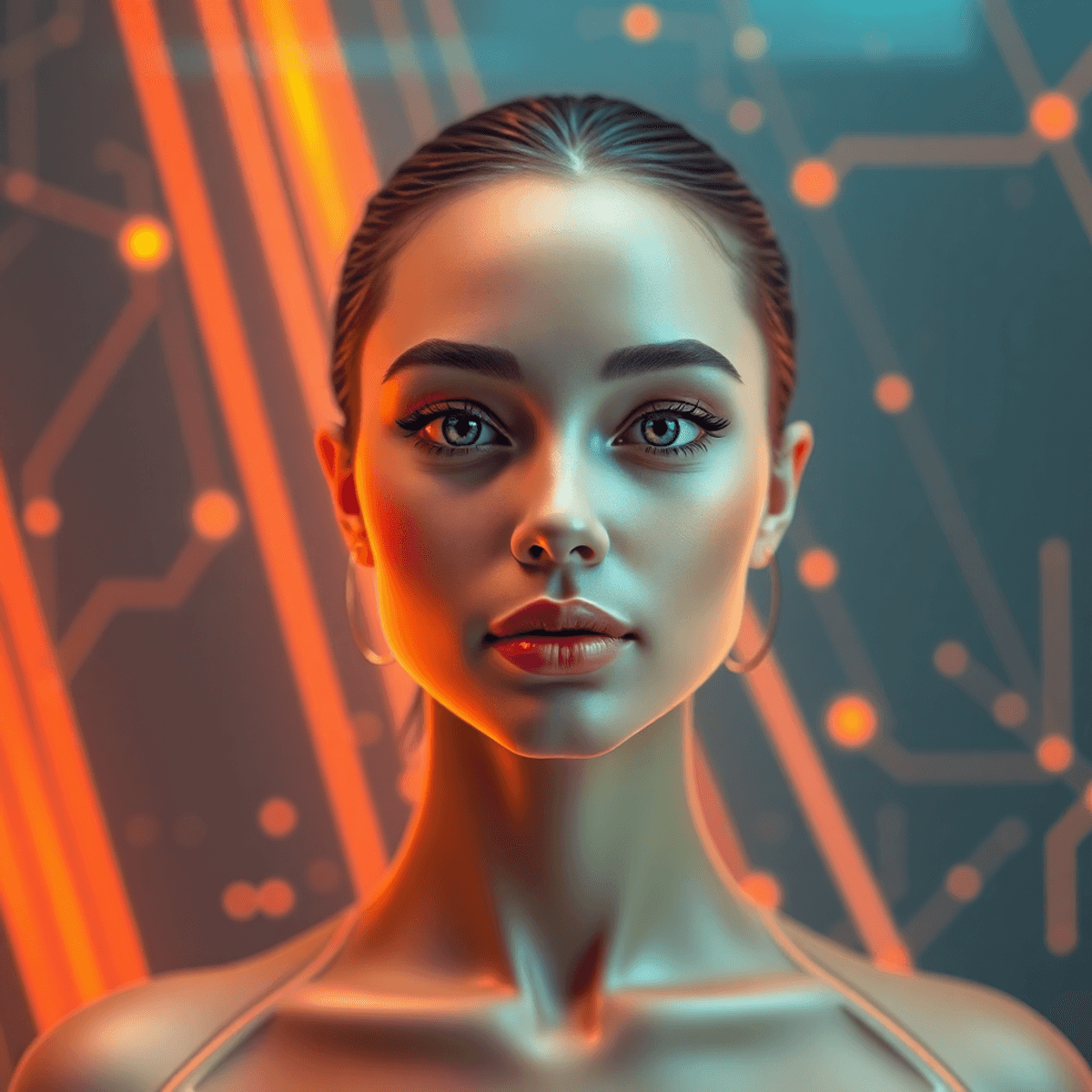
Tilly Norwood is an AI Influencer who is not just another face on social media but a groundbreaking digital creation reshaping the influencer landscape. She stands out as a Gen Z influencer crafted entirely through generative AI technology, blurring the lines between virtual artistry and real-world celebrity status. As an AI actress and digital influencer, she embodies the future of content creation and audience engagement.
Tilly's presence captivates young audiences who are native to digital culture, resonating with their values and aesthetics in ways traditional influencers sometimes cannot. Her carefully curated online persona mimics lifestyle influencers, making her both relatable and aspirational for Gen Z followers.
This article explores the phenomenon of AI influencers like Tilly Norwood, examining:
Understanding Tilly's role offers insight into the evolving fusion of technology, creativity, and identity that defines modern digital culture and the entertainment industry’s shifting dynamics.
The digital world is undergoing a significant change with the rise of AI influencers—virtual personalities created using advanced generative AI technology. Tilly Norwood is leading this movement, representing the transition from traditional human influencers to algorithmically generated celebrities who captivate online audiences.
AI influencers like Tilly are no longer just experimental novelties; they have become prominent figures within social media ecosystems. Using advanced machine learning models, these virtual beings create content that competes with human creators in terms of creativity and engagement. Instagram feeds filled with perfectly curated lifestyle shots, TikTok videos showcasing witty interactions, and even appearances in movie trailers or commercials demonstrate the versatility of AI-generated content.
This rise is driven by several factors:
Tilly Norwood’s debut at events like the Zurich Film Festival signals industry recognition beyond social media platforms. She represents a new breed of AI actress poised to compete with traditional stars, blurring lines between reality and simulation.
Gen Z stands out as the primary audience embracing AI influencers such as Tilly Norwood. Growing up during rapid technological advancements and immersed in digital culture from an early age, this generation has unique preferences shaping their connection to virtual personalities.
Social media algorithms further amplify Tilly’s reach among young users by promoting fresh, visually appealing content that fits current trends. The fascination with AI-generated celebrity extends beyond entertainment into conversations about creativity’s future amidst rising automation.
The growing presence of AI actresses like Tilly Norwood reshapes perceptions about what constitutes a celebrity or influencer today. Their popularity underscores shifting dynamics in digital content creation—where technology merges with artistry to form entirely new cultural icons. This phenomenon invites deeper examination of how synthetic performers impact both audiences and creative industries alike, potentially leading to profound changes in the perception of authenticity and creativity in digital spaces.
Tilly Norwood stands at the intersection of cutting-edge technology and creative storytelling. Crafted by Eline Van der Velden, a visionary creator and founder of Particle6 AI Studio, Tilly is far more than just a digital image; she represents a pioneering leap into the realm of AI-driven virtual personas.
Particle6 AI Studio specializes in developing generative AI characters designed to engage audiences across platforms. Eline Van der Velden, known for her innovative approach to blending technology with entertainment, spearheaded the creation of Tilly Norwood as a proof-of-concept for what AI influencers can achieve. In various interviews, Van der Velden emphasizes that Tilly embodies an artistic experiment aimed at pushing boundaries within social media culture and entertainment industries.
At the core of Tilly Norwood’s existence lies sophisticated generative AI technology. This involves machine learning models trained on vast datasets of images, videos, and social behaviors to produce photorealistic visuals and engaging content autonomously.
The following technologies are fundamental in shaping Tilly's persona:
The result is a living digital persona who can produce social media content continuously without physical limitations like fatigue or scheduling conflicts.
Tilly Norwood’s Instagram feed is crafted carefully to mirror popular lifestyle influencers who dominate Gen Z feeds. Her posts feature:
Her narrative style uses casual yet polished captions that resonate with young audiences craving authenticity but also aspirational content. By adopting these familiar influencer tropes, Tilly blurs the line between synthetic creation and genuine human personality.
“We wanted Tilly to feel like someone you might follow because she embodies both aspirational creativity and approachable charm,” Eline Van der Velden shared in a recent interview.
This strategic blend of technology and artistry creates an immersive experience where followers engage not just with an image but an evolving character whose story unfolds digitally.
Tilly’s creators employ data-driven insights alongside artistic intuition to shape her persona:
This ongoing refinement reflects Particle6's commitment to advancing how virtual influencers operate not merely as marketing tools but as dynamic participants in digital culture.
Tilly Norwood illustrates how generative AI technology combined with thoughtful design can create virtual characters that captivate modern audiences. Her development underscores deeper questions about identity, creativity, and connection in an increasingly digitized world — themes explored further when considering her impact on Gen Z and beyond.
Tilly Norwood represents a new frontier in the evolving landscape of Gen Z influencers and digital characters. Her rise as a virtual celebrity taps directly into the unique values and behaviors of Gen Z, a generation raised on social media posting culture and digital interaction.
Unlike traditional celebrities, Tilly’s existence as an AI influencer allows her to embody an idealized yet approachable persona. Gen Z gravitates toward figures who feel relatable but are free from the flaws or scandals that often shadow human influencers.
Tilly’s creators use generative AI to craft content that feels dynamic and fresh, appealing to Gen Z’s appetite for constant novelty. Her digital nature means she can be molded in ways no human can, sparking curiosity and engagement.
As a synthetic performer, Tilly challenges conventional ideas about identity and fame, resonating with Gen Z’s openness to fluidity in gender, appearance, and personality.
Virtual celebrities like Tilly are not just passive figures; they actively shape trends within the social media ecosystem by:
The presence of AI-generated influencers like Tilly Norwood reshapes how young audiences create and consume content:
Do you know new AI Influencer Tilly Norwood? For Gen Z audiences immersed in digital culture, she is more than just a novelty; she embodies a merging point between technology, creativity, and identity that defines current social media posting culture.
This impact extends beyond mere fascination; it signals a transformation in how digital influence is conceived—one where virtual celebrities like Tilly become central players shaping youth culture's future.
The rise of AI influencers like Tilly Norwood has sparked intense discussions in Hollywood, where the entertainment industry grapples with the emergence of synthetic performers. Many actors and industry professionals, especially those connected to unions such as SAG-AFTRA, are openly expressing their concerns about this trend.
The introduction of AI-generated characters challenges traditional notions of acting, creativity, and human artistry. Many filmmakers and actors view synthetic performers as a threat to the authenticity and emotional depth that human actors bring to their craft.
Studios are increasingly exploring AI as a cost-saving tool, using virtual talent to cut down on expenses related to casting, production logistics, and actor salaries. This economic incentive conflicts with the interests of human performers who fear losing job opportunities.
The use of AI actors raises questions about consent and intellectual property. Some actors have expressed worries that their likenesses or performances could be replicated without permission or compensation, leading to distrust towards AI content creation.
SAG-AFTRA is at the forefront of opposing the growing presence of AI in Hollywood. The union is highlighting several critical issues:
The most immediate concern is that AI may completely replace human roles. With synthetic performers capable of generating endless scenes without fatigue or scheduling conflicts, many people are worried that job opportunities for actors could significantly decrease.
Acting relies on genuine emotional exchanges—both between performers and between actor and audience. Unions argue that synthetic actors cannot replicate the nuanced empathy that resonates with viewers on a deeply personal level.
Current contracts and industry standards do not adequately address the unique challenges posed by AI-generated content. This regulatory gap leaves artists vulnerable to exploitation, including unauthorized use of their work for training AI models.
“The rise of synthetic performers threatens not just jobs but the very soul of storytelling,” stated a SAG-AFTRA representative during recent negotiations addressing AI regulations.
The backlash from actors' unions reflects broader tensions regarding technology's role in creative industries. While some studios quietly experiment with AI-driven projects, vocal opposition from guilds aims to establish boundaries that safeguard human contributions.
Concerns extend beyond job security to cultural implications:
Hollywood's evolving stance on this issue will shape not only how films are made but also how stories are told—and who gets to tell them—in an increasingly digital future dominated by innovations in ai in hollywood.
As we delve deeper into this topic, it's crucial to understand the broader implications of these changes. The ongoing exploration into how AI is reshaping the media and entertainment landscape provides valuable insights into this
The entertainment industry finds itself at a crossroads, grappling with the rapid emergence of AI influencers like Tilly Norwood. Opinions diverge sharply between enthusiasm for innovation and cautious resistance grounded in traditional values.
A growing number of studios are quietly exploring AI-generated content as a strategic advantage. The appeal lies in cost efficiency, scalability, and creative flexibility that synthetic performers afford. These studios engage in talent agency talks with studios embracing AI content, signaling an openness to incorporate virtual influencers into advertising campaigns, digital marketing strategies, and even scripted media projects.
Some talent agencies have begun to express interest in representing AI personas like Tilly Norwood. This emerging niche challenges conventional talent representation models but opens new revenue streams and branding opportunities. Agents involved in these discussions recognize the growing market for virtual celebrities who can attract millions of followers without typical human limitations such as scheduling conflicts or aging.
Despite pockets of acceptance, actors’ unions such as SAG-AFTRA maintain a firm stance against synthetic performers encroaching on traditional acting roles. Their concerns focus on protecting livelihood, maintaining artistic integrity, and preserving the irreplaceable human connection inherent in performance art. This opposition creates tension within the industry, complicating negotiations around AI content usage.
Negotiations between talent agencies and studios underscore a nuanced landscape:
This evolving dialogue reflects an industry experimenting with new paradigms while wrestling with legacy structures.
The presence of virtual influencers like Tilly Norwood forces a re-examination of what constitutes "authentic" entertainment. Some executives advocate for hybrid projects combining human performers with synthetic ones to enrich storytelling possibilities. Others caution against overreliance on technology that might alienate audiences craving genuine emotional resonance.
Key takeaways from industry perspectives include:
The split within the entertainment world reveals a sector simultaneously fascinated by innovation and protective of its foundational craft—setting the stage for ongoing debates about the role of AI in creative industries.
Eline Van der Velden, the visionary behind Tilly Norwood, positions this AI influencer not as a substitute for human actors but as a pioneering artistic project that expands the horizons of creativity work involving digital influencers. The intention is to explore new storytelling formats and performance styles that traditional actors might find challenging or impossible to execute.
“Tilly is a canvas for experimenting with the boundaries between technology and art,” Van der Velden explains. “She allows us to create characters and narratives unrestricted by physical limitations or practical constraints.”
Tilly Norwood’s digital existence invites creators to rethink what it means to perform and engage audiences in an era where virtual personas can inhabit countless roles simultaneously, adapt instantly to feedback, and evolve continuously through machine learning.
One of the most striking manifestations of these new creative possibilities comes in the form of AI comedy sketches featuring Tilly Norwood. These sketches blend scripted dialogues with AI-generated spontaneity, producing humor that is both fresh and unpredictable. Unlike traditional comedy that depends heavily on timing and physical presence, Tilly’s performances demonstrate how synthetic performers can innovate comedic timing through algorithmic cues and data-driven audience insights.
An AI-driven sketch series where Tilly improvises sarcastic remarks about everyday Gen Z struggles, from navigating social media trends to climate anxiety, all delivered with a pixel-perfect influencer aesthetic.
These sketches often incorporate real-time audience interaction via social platforms, enabling Tilly to ‘respond’ dynamically to comments—a feat difficult to replicate with human actors constrained by filming schedules.
The ongoing development of Tilly also challenges established norms around authorship and originality in digital content creation. By merging generative AI with human artistic direction, Van der Velden creates hybrid works where technology amplifies creative expression rather than replacing it.
Key dimensions of this redefinition include:
The question Do you know new AI Influencer Tilly Norwood? resonates beyond mere curiosity; it signifies an invitation to witness how synthetic performers open doors to unexplored forms of entertainment and marketing innovation.
In this light, Tilly transcends her role as a digital avatar. She embodies a creative experiment—a bold statement about how technology can serve as both muse and medium in the evolving landscape of digital influence.
The digital world where AI meets entertainment raises questions about how ai in hollywood predictions might play out. Tilly Norwood's presence is just the start of a major shift, where synthetic performers become essential to storytelling, advertising, and content creation.
AI influencers like Tilly are expected to diversify beyond social media into films, TV shows, virtual concerts, and interactive experiences. Their ability to be programmed for various roles makes them versatile assets able to perform stunts or scenes impossible or costly for human actors.
Generative AI can tailor influencer appearances and narratives to specific audience segments. Imagine brands commissioning custom AI-generated spokescharacters adapted dynamically for different markets or cultural contexts without additional shooting days or travel expenses.
As deepfake technology matures alongside AI influencers, audiences may struggle to discern synthetic from real performers. This could redefine celebrity culture—where fan engagement revolves around a blend of tangible and virtual personas crafted by creative teams.
Current legal systems lag behind rapid technological advances. Laws governing the use of likenesses, voice replication, and data used in training AI models face urgent revision. New regulations might require explicit consent from actors whose performances fuel synthetic creations or mandate royalties linked to AI-generated works.
Actors’ guilds worldwide have started pushing for protections that limit the extent synthetic performers can replace human talent without fair contracts or compensation schemes. Collective bargaining could lead to standardized agreements defining how AI characters are credited, licensed, and monetized.
Regulatory bodies might enforce clear labeling whenever audiences encounter synthetic content. Transparency about the nature of AI involvement helps maintain trust while addressing ethical concerns about manipulation or misinformation.
Studios and marketing agencies may adopt hybrid approaches blending human creativity with AI efficiency:
The trajectory suggests an entertainment ecosystem embracing synthetic performers not as replacements but as complementary tools that expand storytelling possibilities—while posing complex challenges requiring thoughtful governance.
Tilly Norwood is leading a change in digital culture, sparking discussions about authenticity, creative work, and the evolution of celebrity. She challenges traditional ideas of being an influencer or actor, urging both audiences and creators to rethink the line between human and synthetic expression.
For those who are wondering, Who is the new AI Influencer Tilly Norwood?, she represents more than just an internet sensation — she symbolizes a future where creative work becomes a collaboration between human imagination and artificial intelligence. This blending of influences will shape entertainment, marketing, and social interaction for years to come, prompting ongoing discussions about ethics, artistry, and innovation in the era of AI.
Tilly Norwood is a pioneering AI influencer designed to captivate Gen Z audiences. Created by Eline Van der Velden and Particle6 AI Studio using generative AI technology, she represents a new wave of digital influencers blending technology with lifestyle aesthetics on social media.
Tilly Norwood resonates deeply with Gen Z by embodying the social media posting culture and virtual celebrity status. Her synthetic persona shapes trends in digital content creation and consumption, influencing how young audiences engage with entertainment and social platforms.
Tilly was brought to life through generative AI technology developed by Particle6 AI Studio under the artistic direction of Eline Van der Velden. Her design mimics lifestyle influencers, combining advanced AI capabilities with creative storytelling to produce engaging social media content.
Hollywood has seen backlash from actors' unions such as SAG-AFTRA concerning synthetic performers like Tilly. The main concerns include potential job displacement for human actors and the loss of authentic human connection in film and entertainment due to reliance on AI actors.
The industry holds contrasting perspectives; while some studios and talent agencies are embracing AI content and even showing interest in representing virtual personas, others, especially actors' unions, reject synthetic performers due to ethical and employment concerns.
AI influencers like Tilly Norwood are predicted to play an increasingly significant role in shaping entertainment landscapes. Potential regulatory changes may arise to address their use, while creative opportunities expand in film, advertising, and digital content through innovative applications of synthetic performers.
Comments
Post a Comment