- Get link
- X
- Other Apps
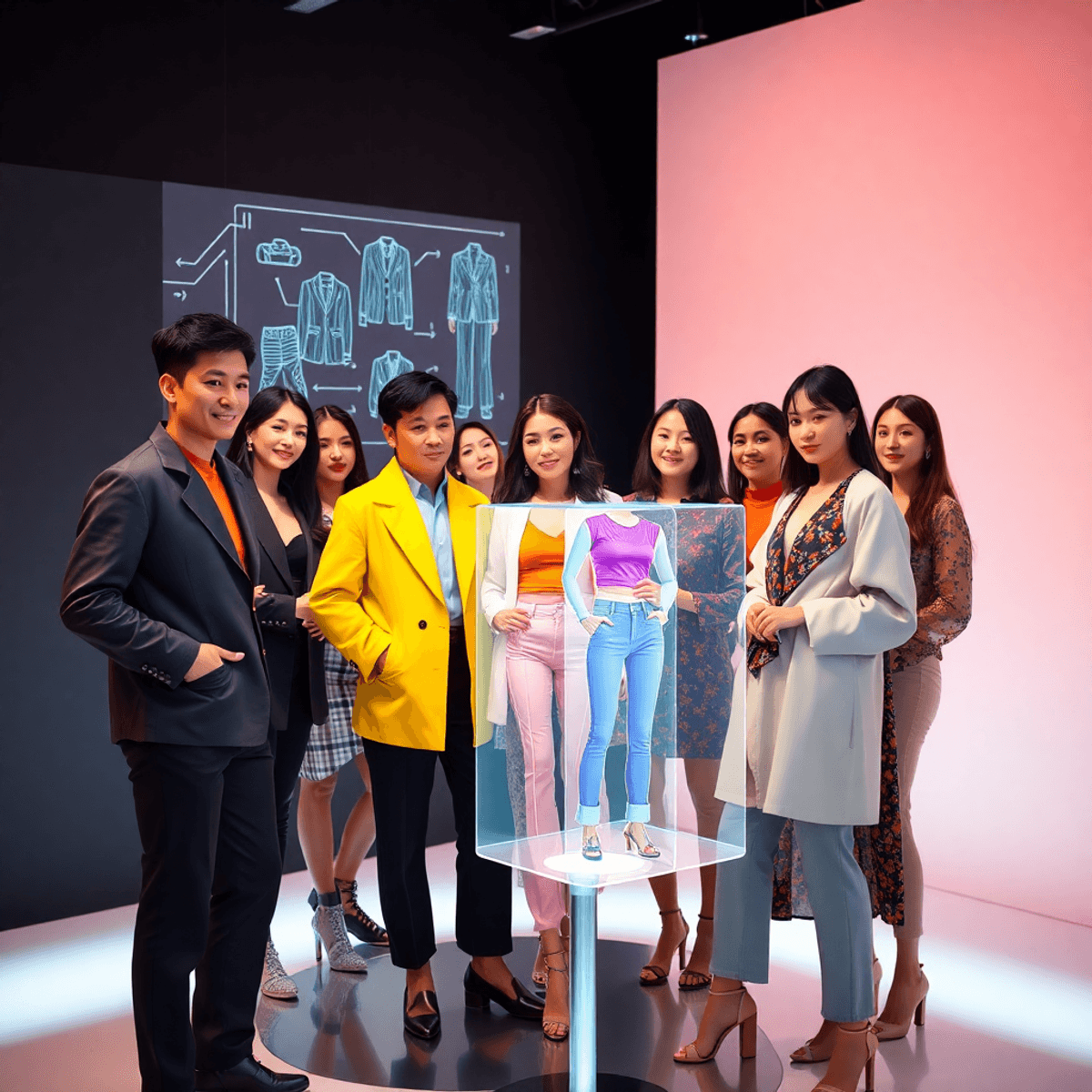
The fashion world is changing in a big way because of AI-powered fashion. Influencers used to trust their own feel for style and watch for trends on their own. Now they use AI-curated fashion tips to make their style stand out more. These smart tools look at lots of data, like what people do on social media and things like the weather. They use this to make style ideas that feel new and fit each influencer just right.
AI-driven content creation is making a big change for fashion influencers. Now, audiences feel closer to style stories. Sharing style looks comes alive through try-ons using technology and new design tools. This helps influencers show outfits that feel real and matter to their followers. You can also use smart AI helpers. They give you new ideas for how you dress and look, while still letting you be yourself.
Key takeaway: This article looks at how AI helps fashion influencers make fresh and interesting content. AI gives personal style tips to each person. The article will also talk about new trends in AI and fashion tech. You will read about the important issues that come up when creativity and new ideas mix in this field.
Understanding AI Technologies in the Fashion Industry
The fashion industry is undergoing a transformation with the integration of various artificial intelligence technologies. These advancements are improving design, marketing, and customer interaction. Here are some of the key tools driving this change:
1. Machine Learning (ML)
ML analyzes large amounts of data, including consumer behavior, sales trends, and social media patterns, to predict upcoming fashion trends and optimize inventory management.
2. Computer Vision
Computer vision allows for accurate analysis of body shapes and recognition of garments, which are essential for virtual try-ons and personalized fit recommendations.
3. Generative AI
Generative AI is used to create new clothing designs or unique visual assets that enhance influencer storytelling. This technology stands out by driving design innovation—it can create pattern variations, suggest color palettes, or even generate entire outfit combinations tailored to individual tastes. It empowers influencers to experiment with styles beyond traditional boundaries, crafting visually striking content.
4. Natural Language Processing (NLP)
NLP powers chatbots and virtual assistants that can have natural conversations with customers and influencers, answering styling questions or providing personalized advice. It also supports seamless communication between fashion brands, influencers, and audiences. Virtual stylists built on NLP understand nuanced requests, provide real-time feedback, and maintain engaging conversations that deepen user connection.
5. Predictive Analytics
Predictive analytics forecasts changes in demand and adjusts marketing campaigns based on user preferences and contextual factors like seasons or events.
These AI technologies work together to create a sophisticated system that helps fashion brands and influencers provide highly personalized, data-driven style experiences that resonate in today's fast-paced digital world. To explore more about the AI use cases in fashion beyond these technologies, you can delve into various applications that are reshaping the industry landscape.
The Evolution of AI Applications in Fashion Design and Marketing
AI is now used more in fashion design and marketing than it was before. People first used simple computer tools. Now, they use smart systems that change the way the industry works.
Early Days: Trend Forecasting and Supply Chain Optimization
In the beginning, AI mainly helped with trend forecasting. It looked at past fashion styles, what people said on social media, and what customers liked. Then, AI helped retailers guess what styles would come next. These guesses made it easier for shops to plan their stock. They could cut down on waste and meet what people wanted in a better way.
At the same time, AI was getting better at helping with supply chain management. It helped businesses guess how much they needed to make, keep the right amount of stock, and make it easier to move goods from one place to another. Because of the early uses of AI, brands could react faster when things changed in the market and meet what customers wanted.
The Rise of Machine Learning and Computer Vision
With improvements in machine learning, AI has changed a lot. It started with simple algorithms. Now, it can use big models that understand deep patterns in large sets of data. Computer vision is now a key part of this field. It helps with:
Correct analysis of body shapes for personal sizing
Automated tagging of picture products
Better quality checks during making processes
Marketing Transformation through AI
As these technologies got better, marketing campaigns changed too. Brands started to use AI to get to know their target group of people. This helped them make content that speaks to certain customers. Using predictive analytics, marketers can now make ads for the right people. This led to more people noticing and taking part in them, and more sales.
The Role of AI in Customer Interaction
AI-powered chatbots and virtual assistants began to talk with people on social media. They made each shopping trip feel more personal and learned a lot about what buyers do. This change set the stage for the world we see today, where influencers and AI help give style tips that match what you like, using strong data ideas.
How AI Helps Fashion Influencers Create Unique and Engaging Content
AI-powered fashion picks for influencers are changing how people make content. These picks come from social media data and what people like. The platforms look at what an influencer has posted in the past. They also see how much people talk with those posts and what style they wear. Then, the platforms give outfit ideas that feel real and just for that person. This personal touch helps answer a common question: Can AI suggest what to wear based on what an influencer shares online? Yes, it can. AI uses new tech to see small signs in how fans react and notice what is popular. This way, suggestions match what people want now.
Key benefits include:
Personalized styling: AI suggests looks that feel right for your body shape and color choices. It also takes in things like where you are, the weather, and events that might be coming up. It can get this info from your social feeds.
Creativity boost: Generative AI gives you new ideas for mixing clothes or making looks that feel brand new. This lets influencers’ wardrobes grow in new ways, not just stay with the old ones.
Virtual try-ons: Augmented reality lets influencers show outfits through digital ways instead of using real clothes each time. This helps cut costs and makes their style stories clear and fun to see.
Take Lil Miquela, who is an influencer created with AI. She shows how data can mix with style and have a strong digital feel. These new things help both people and digital influencers reach out to others with fresh and interesting fashion stories. This helps make strong ties with people and also lifts up brand deals.
When we mix data tools with creative freedom, AI can change influencer content. It turns posts that stay the same into lively and personal things you see. These are made just for each person and their group’s ideas and needs.
AI-Powered Outfit Recommendation Platforms for Influencers
Fashion influencers who want to improve how they put together outfits often use AI-powered outfit recommendation platforms. These platforms mix technology and self-expression. They use smart tools to give outfit ideas made for each user. The suggestions fit what the user likes and how they want to look.
Key Features of AI Fashion Recommendation Platforms
1. Contextual Data Utilization
Top platforms look at more than just basic likes. They also use things like where you are, the weather, any coming events, and the time of day. This way, the style tips you get fit many real-life needs and feel useful in the moment.
2. Body Shape and Size Analysis
Using computer vision and machine learning, AI stylists map a user’s body shape and size, enabling the creation of outfit recommendations that flatter diverse physiques. This feature enhances fit accuracy, promoting confidence in wearability.
3. Personalization Depth
Top-tier platforms allow users to train their AI stylist by feeding in past wardrobe choices, style inspirations from social media, or even mood boards. This continuous learning refines suggestions, making them increasingly aligned with the influencer's evolving fashion identity.
Seamless Shopping Integration
Successful AI platforms integrate with shopping apps or e-commerce sites seamlessly, enabling influencers and their followers to:
- Instantly purchase recommended items through direct links.
- Explore alternative options based on price range or brand preference.
- Track availability and delivery details without leaving the app.
This integration transforms outfit inspiration into actionable shopping experiences, boosting conversion rates while maintaining user engagement.
Evaluating Effectiveness and User-Friendliness
When assessing AI fashion recommendation platforms, influencers often consider:
- User Interface Intuitiveness: Easy navigation encourages frequent use and experimentation with different styles.
- Speed of Recommendations: Rapid generation of outfit ideas supports timely content creation.
- Customization Options: Ability to tweak recommendations enhances creative control without sacrificing AI efficiency.
- Target Audience Alignment: Whether catering to luxury fashionistas or casual streetwear fans, platform focus shapes relevance.
These elements collectively determine how well an AI stylist fits into an influencer’s workflow, empowering authentic yet innovative style storytelling.
Additionally, platforms are now implementing virtual stylist tools powered by AI which further enhance the personalization aspect by providing real-time styling advice based on the user's current wardrobe and preferences.
Case Studies: Successful Influencer Collaborations with AI Platforms
The integration of AI into influencer marketing has opened up new opportunities for personal stylist services and brand engagement. Influencers using AI-powered platforms are reporting greater creativity, stronger connections with their audience, and better returns on investment for their campaigns.
Zalando’s AI Stylist: A Pioneering Example
Zalando’s AI Stylist stands out as a pioneering example. Influencers using this platform benefit from its contextual data capabilities — analyzing factors such as location, weather, and upcoming events to deliver hyper-personalized outfit recommendations. One fashion influencer documented a significant uplift in engagement rates by incorporating Zalando’s AI stylist suggestions into their content. This collaboration not only drove user interaction but also strengthened brand loyalty by showcasing relevant, timely style options tailored to followers' lifestyles.
ACloset App: Empowering Influencers with AI
Similarly, the ACloset app empowers influencers with AI-generated styling ideas based on individual preferences and body shape analysis. An influencer partnership with ACloset demonstrated how AI assistance streamlined the process of curating diverse looks, enabling quick adaptation to trends without compromising authenticity. The seamless integration of shopping features within the app facilitated direct purchases from posts, increasing conversion rates and amplifying marketing campaign success.
Key Takeaways from These Case Studies
Key takeaways from these case studies highlight:
- Enhanced personalization: AI enables influencers to offer unique style recommendations that resonate deeply with their audience.
- Efficiency in content creation: Automated styling reduces time spent on outfit planning while maintaining high creativity standards.
- Stronger influencer-brand partnerships: The use of AI tools fosters trust and loyalty through data-driven insights and consistent quality.
- Scalable impact: Campaigns powered by AI collaborations reach wider audiences with tailored messaging that drives measurable results.
These successful collaborations exemplify how user experience shapes the success in influencer marketing. The evolving landscape increasingly favors such integrations where technology meets style expertise — transforming how influencers connect with their communities while supporting brand objectives through innovative AI solutions.
Understanding the Algorithms Behind Personalized Fashion Recommendations
Advanced algorithms are key to how AI gives fashion advice to influencers. These tools help make each choice feel right for every person's style. They look at a lot of data, like what you post on social media, things you look at online, and what you have bought before. AI uses this information to build suggestions just for you. It finds what you like, what you share, and what you buy. With these details, AI can tell what your style is, and offer ideas that fit you best.
1. Analyzing Social Media Activity
AI looks at posts, hashtags, and how much people interact with them. It uses this information to see how styles and likes change over time in the influencer's group. This helps AI make outfit ideas that fit with what people feel and like right now.
2. Assessing Body Types with Computer Vision
Algorithms use computer vision to spot different body shapes and sizes. This helps give product tips that fit well and also help the wearer's body look better. It is key for getting people more interested and sure of how they look.
3. Considering Contextual Factors
Recommendation engines look at things like where you are, the time of year, the kind of event, and also the stories behind brands. This way goes beyond just looking at style trends. It also tries to make the suggestions feel right for your life.
Fashion retailers use these advanced math tools to make the user’s experience better. They also give influencers ways to mix creative ideas with data insights. Because of this, the content from influencers feels more real and clear. It helps build strong bonds between creators, their followers, and brands.
Enhancing Visual Content and Style Presentations with AI Tools
AI tools for making style presentations and visual content better are changing how influencers talk to people. These tools help them share things in new and interesting ways. With AI, content creators can make influencer campaigns look better and feel more real. These presentations can be more fun and feel made just for you.
1. AR-Powered Virtual Try-Ons
Augmented reality (AR) technology allows followers to virtually try on outfits, accessories, or makeup recommended by influencers. This immersive experience boosts shopper confidence by providing a realistic preview of how products look and fit in real time. The power of AI in these virtual try-ons lies in its ability to accurately map body dimensions and simulate fabric movement, creating a seamless blend between digital fashion and physical reality.
2. Generative AI for Unique Fashion Graphics
Generative AI tools create eye-catching visuals, from stylized fashion illustrations to dynamic social media assets tailored specifically for influencer posts. These AI-driven graphics help influencers craft distinct brand identities and diversify content formats beyond traditional photography or video. The impact of AI extends to virtual personas—digital representations powered by artificial intelligence—that can showcase fashion styles in innovative ways, pushing creative boundaries.
Engaging visual storytelling amplified by these technologies enriches the influencer’s narrative, captivates the audience, and drives deeper engagement across platforms.
Benefits of Using AI for Influencer Style Choices
AI-driven styling platforms give many good things to both influencers and their audiences. These tools help both groups in different ways.
1. Round-the-clock availability
AI stylists work all the time and they do not get tired. They give suggestions made for you at any hour. This helps influencers talk to their followers from many places and always be there online.
2. Scalability to millions
Unlike human stylists that have limits because of time and what they own, AI systems be able to help many people at the same time. This makes it easy to serve bigger groups and reach all kinds of people who like different things.
3. Cost-effectiveness
Automated style tips cut down the need for you to spend a lot of money. You do not have to go for pricey one-on-one talks or go through big closet checks. Influencers can get cheap info from data. This helps them pick the best clothes every time.
4. Enhancing human creativity
AI tools help people be more creative, not replace them. The tools look at trends, body types, and what people like. They give new ideas that stylists and influencers can use to show their own style. This helps people stand out and feel original.
5. Inclusive styling for diverse body types
Computer vision uses ways to look at different body features. It helps find good clothes that fit the body well. This fair way helps more people feel welcome. It also makes influencer content speak to many types of body shapes in a caring way.
6. Improved customer service experience
Integrated mobile apps help influencers and their followers connect better. The apps use personal notifications to get people’s attention. They also let you shop easily, making it simple to choose what you want. This means more people get involved and things feel easier for everyone.
7. Positive environmental impact
AI’s strong ability to suggest many different types of clothing helps cut down on too much buying and waste. Smart outfit ideas help people to shop with care in line with the goals of sustainable fashion.
These good things show the way technology helps people do more. It helps new ideas grow. But it still respects the small details that only people know well, like style and the feel of something.
Prominent Fashion Influencers Embracing AI Technology
Fashion influencers are now using AI tools, and this is a big step for the way things work with branding and technology. They use AI-curated fashion recommendations for influencers to help them pick styles. This also helps them connect more with their followers.
Notable Influencers Using AI Tools
Virtual Influencers
Bermuda: A digital influencer made only by AI, Bermuda shows how virtual influencers can get a big group of followers on social media while showing off AI-made styles. The clothes she wears are made using generative AI. This mixes the latest trends with looks just for her.
Blawko22: A well-known digital character, Blawko22 uses AI tools to pick outfits. This shows how these kinds of influencers do new things in fashion without being tied down by the real world.
Human Influencers
Chriselle Lim: Chriselle uses AI-powered apps in what she wears every day. These apps help her get new ideas for outfits by sending her AI-driven fashion app tips that fit her own changing style.
Aimee Song: Aimee talks in interviews about how AI platforms help her find outfits like the ones worn by stars and also come up with new looks. She points out how these tools help her keep her content new and useful.
Virtual Personas vs. Human Influencers Using AI Assistance
Aspect | Virtual Influencers Powered by AI | Human Influencers Using AI Assistance |
Creation & Control | Entirely digital, designed by teams or AI | Real personalities enhanced with AI tools |
Style Generation | Fully automated using generative AI | Collaboration between human taste and algorithmic input |
Interaction | Pre-programmed responses | Genuine engagement combined with AI efficiency |
Flexibility | Unlimited creativity within digital limits | Adaptive styling blending intuition and data |
How AI-Powered Fashion Tools Support Influencers
- Match celebrity looks by analyzing visual data through computer vision, enabling influencers to replicate trending styles quickly.
- Provide data-backed outfit recommendations that align with an influencer’s brand identity.
- Offer insights from audience preferences gathered via social media analytics.
Challenges Faced by Fashion Influencers Using AI
- Balancing authenticity with algorithmic suggestions remains a delicate task.
- Overcoming limitations in cultural nuances and emotional resonance that current AIs struggle to capture.
- Navigating privacy concerns when integrating personal data into recommendation engines.
Insights from interviews reveal that while some influencers embrace these challenges as part of their creative process, others remain cautious about fully entrusting style decisions to machines. The blend of human intuition and AI precision continues to shape the evolving landscape of influencer fashion.
Practical Applications of AI Tools for Matching Celebrity Looks
AI tools for matching celebrity looks are changing the game for fashion influencers and Gen Z consumers seeking style inspiration. With the help of computer vision technology, these tools analyze images of celebrities' outfits, breaking down essential elements like colors, patterns, textures, and garment shapes. This in-depth understanding allows influencers to accurately recreate trending celebrity styles.
Key Features of Celebrity Looks Matching AI Tools
Here are some key features that make these AI tools effective:
- Image Recognition & Analysis: Identifies clothing items and accessories from photos or videos.
- Style Breakdown: Deconstructs outfits into components like tops, bottoms, shoes, and accessories.
- Purchase History Integration: Suggests similar or exact items based on user shopping preferences and past purchases.
- Real-Time Recommendations: Offers up-to-date outfit suggestions aligned with current celebrity trends and events.
- Body Shape Consideration: Customizes recommendations according to individual body types for better fit and comfort.
Popular Apps Empowering Style Mimicry
Several apps have emerged as powerful resources for individuals looking to emulate celebrity fashion. Here are some popular ones:
- LIKEtoKNOW.it: Enables users to screenshot celebrity looks on social media and instantly shop similar pieces through affiliate links embedded in the app.
- ASAP54: Uses AI-powered image search where users upload photos of desired celebrity outfits; the app then finds comparable products available online.
- ACloset: Integrates AI stylist features that blend celebrity look-alikes with personalized preferences, enhancing influencer content creation.
- Google Lens: Allows quick visual searches by capturing outfit details, connecting users directly with online shopping platforms offering those styles or close matches.
These applications enhance the online shopping experience by blending inspiration with practicality — influencers can transform iconic red carpet styles or streetwear trends into accessible fashion choices for their audiences. The seamless integration of AI-driven insights ensures fashion enthusiasts stay ahead in replicating coveted looks while enjoying a streamlined purchase journey tailored to their unique tastes.
Future Trends and Innovations in AI Fashion Technology
The future of fashion is closely tied to the rapid growth of AI technology, which is creating new opportunities for designers and influencers. The latest developments in AI fashion technology indicate a shift towards more immersive, intelligent, and personalized experiences that redefine how style is discovered and shared.
Generative AI set to transform design processes:
- AI models will evolve from simply creating patterns to generating entire collections influenced by large datasets of past and present styles.
- Designers will work alongside AI as co-creators, using generative tools to explore unconventional ideas, quickly prototype concepts, and tailor offerings for specific audiences.
- Adapting designs in real-time based on customer feedback and social media trends will become common practice, allowing brands and influencers to stay ahead in the fast-paced world of fashion marketing.
Virtual influencers gaining traction within influencer marketing hubs:
- These AI-powered personas will become more advanced, combining lifelike visuals with personality traits shaped by audience insights.
- Virtual influencers offer brands scalable, always-available ambassadors who can connect with global markets without physical limitations or traditional scheduling constraints.
- Their presence reshapes marketing strategies by blending entertainment, storytelling, and commerce into seamless digital experiences.
The potential of AI also includes predictive analytics that can forecast consumer preferences before they become widely known. This ability enables fashion marketers to create highly targeted campaigns that resonate authentically with different demographic groups. Influencer marketing hubs are already using this technology to improve content performance and strengthen audience connections.
As these innovations continue to grow, the future of fashion will be determined not only by what we wear but also by how technology influences every aspect of creativity, marketing effectiveness, and consumer engagement. This will lead us into a new era where AI opens up endless possibilities for the evolution of style.
Another trend to keep an eye on is the integration of advanced payment solutions into the fashion industry. These solutions will make transactions easier for both customers and brands, improving online shopping efficiency while providing valuable data insights that can further enhance personalized shopping experiences.
Challenges and Ethical Considerations in Using AI for Fashion Influencers
The use of AI-picked fashion tips for influencers brings many new chances. At the same time, it comes with big problems and ethical questions.
1. Cultural Sensitivity and Emotional Intuition
Current AI tools find it hard to pick up on cultural nuances or read the emotional context behind what people wear. A human stylist can know things about traditions, what is seen as cool in a place, or small signs in styles. AI cannot feel these the same way. Because of this, AI might give outfit ideas that feel plain or do not feel right for someone who has their own style and a group of fans who watch what they wear.
2. Data Privacy Risks
AI-powered platforms go through a lot of data. This can be your social media activity, what you buy, and pictures of things you like. They use this to suggest items just for you. But using this kind of information brings up worries about privacy and data security. If influencers show their own profiles, they might share private details without meaning to. Their info could also get out if these platforms do not have strong safety rules. So, it is very important to be open about how all data is collected, kept, and used. This helps influencers, their followers, and AI providers feel safe with each other.
"Ethical considerations must guide the development of AI tools to ensure they respect individuality while protecting user privacy." SEO HOBBY EXPERT
Getting through these challenges needs the people who make AI, those who influence it, and those who watch it to keep talking. This helps make sure the AI can help people be more creative, but also cares about culture and keeps everyone safe.
FAQs (Frequently Asked Questions)
How can AI help fashion influencers create unique and engaging content?
AI helps fashion influencers by giving them style ideas that match their social media profiles and what they like. It makes people more creative by offering AI-made style tips, try-ons that feel real, and tools for content creation such as generative AI. This lets influencers make new and interesting fashion posts that connect well with their followers.
What are the key AI technologies used in the fashion industry for influencer marketing?
The main AI tools are machine learning, computer vision, generative AI, natural language processing (NLP), and predictive analytics. These help with trend forecasting, give personal outfit ideas, support customer chats, and make new content for fashion influencers and their followers.
Which features should influencers look for in AI-powered outfit recommendation platforms?
Influencers should look for platforms that use information like social media activity. The platform should check body shape to give good fit ideas. It must offer a lot of ways to make things feel personal. It should work well with shopping apps, so people can buy things easy and fast. A simple and easy layout will help them feel good about their style picks.
What are some successful examples of influencer collaborations with AI platforms?
Some well-known case studies show influencers working with platforms like Zalando's AI stylist and the ACloset app. These team-ups help build brand loyalty and make marketing work better. They do this by using AI stylists who give fashion tips that fit each person. This also helps the audience feel more involved.
What ethical considerations should be taken into account when using AI for fashion recommendations?
Key ethical points to think about are to respect data privacy when you look at social media profiles, make sure there is cultural sensitivity in outfit suggestions, deal with limits in how AI systems handle emotions, and keep things clear so there are no biases in fashion tips for influencers from AI systems.
What future trends are expected in AI fashion technology impacting influencer marketing?
Future trends show that generative AI will change how people work in design. There will be more virtual influencers in the marketing world. Computer vision will help match celebrity looks faster and better in real time. As AI tools get better, they will grow and work with people to change how influencer marketing works all over the globe.
Comments
Post a Comment