- Get link
- X
- Other Apps
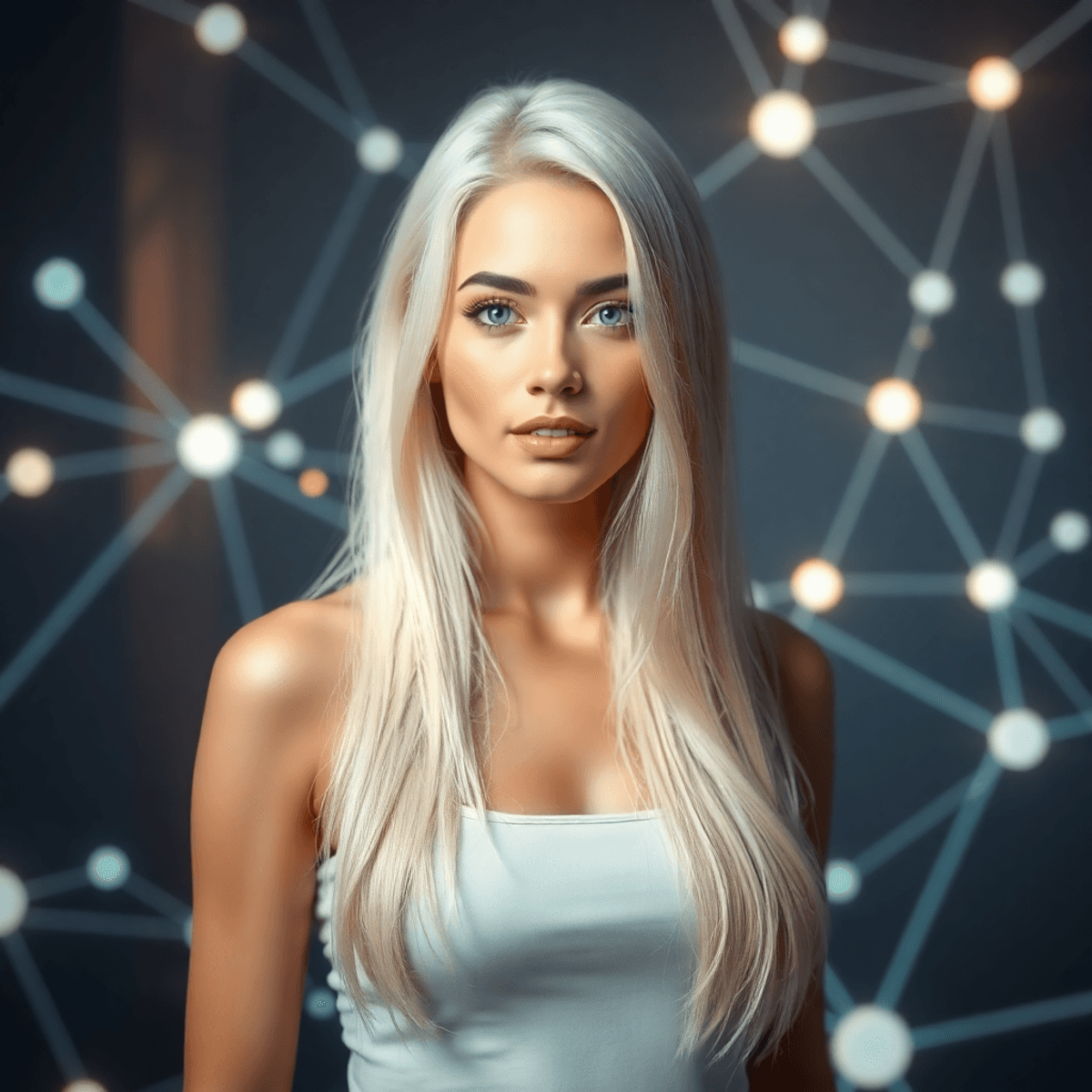
The rise of AI-generated blonde influencers is an important change in how we use social media. These online characters are made with new artificial intelligence tools and computer imagery. The line between what is real and what is made on a computer is getting harder to see. They often show off crystal blond or diamond plus hair colors. Their eye-catching looks grab people’s attention, and they almost look like real people. Some have styles that feel like the classy feel of a famous tennis match. Others show lively personalities that are made to get as much interest as possible. These influencers are changing the way brands talk to and reach people.
People start to ask: How are AI-made blonde influencers changing the way we see social media, and what are the big worries about right and wrong when using them? These online influencers work all the time and do not face the limits that real people do. They give brands more power to share their message and match their style. Still, having them makes us think about what is really honest and clear in influencer culture.
This article looks at how these digital trendsetters shape the influencer industry. It talks about how they are made, why people like them, and what makes them work in the first place. The article also points out how brands use these trendsetters in their campaigns.
It brings up some important questions about being honest and if people can trust these digital personalities. The article also thinks about what could change next in marketing, since now, machines and creativity are coming together.
In a world where work smart play hard mentality is becoming increasingly popular, these AI influencers are also reshaping our understanding of work-life balance in the digital age.
Understanding AI-Generated Blonde Influencers
AI-generated blonde influencers are an intriguing combination of artificial intelligence and computer-generated imagery (CGI). They bring virtual characters to life with stunning realism. These digital creations are made using complex CGI methods and advanced AI technologies, such as machine learning algorithms that mimic human behaviors, expressions, and interactions.
How AI-Generated Blonde Influencers Are Created
The creation process involves several steps:
- 3D Modeling: This is the initial step where the influencer's physical appearance is designed. It usually starts with creating highly realistic facial features and body structures.
- Texture Development: In this step, various textures like skin tone, eye color, and hair (especially the carefully rendered blonde shades) are developed with great attention to detail.
- Animation with Artificial Intelligence: Here, artificial intelligence comes into play. It animates the models, allowing for natural movements, speech patterns, and even personalized interactions on social media.
Defining Characteristics of Blonde AI Influencers
Blonde AI influencers have specific traits that set them apart:
- Hair colors range from platinum blond to crystal blond, with each shade intentionally selected to evoke certain aesthetic or cultural appeals.
- Hairstyles vary greatly: some have long flowing blond hair styled in waves or straight locks; others sport short trendy cuts.
- Facial features are often idealized, exhibiting symmetrical proportions and flawless complexions that conform to current beauty standards.
These visual elements combined with programmed personality traits—ranging from cheerful and friendly to enigmatic and cutting-edge—create unique identities for each virtual influencer.
Differences Between AI-Generated Blonde Influencers and Human Influencers
There are several key differences between AI-generated blonde influencers and their human counterparts:
- Authenticity: Human influencers share genuine experiences shaped by real-life circumstances while AI personas operate within scripted narratives designed for maximum engagement.
- Engagement levels can sometimes exceed those of human influencers because AI accounts are always active, consistently responding to comments or quickly adapting content based on audience data.
- Virtual influencers eliminate many risks associated with human behavior such as scandals or unpredictability. Their creators have complete control over messaging, tone, and public image.
- Despite lacking personal experiences, some audiences find AI influencers fascinating due to their innovative nature and flawless aesthetics.
The Role of the First AI Influencer
The first AI influencer played a significant role in this evolution. They were a virtual character who successfully combined CGI artistry with artificial intelligence to establish a social media presence comparable in influence to top human influencers. This achievement paved the way for others featuring various blonde hairstyles and personalities tailored for specific markets.
The Impact of AI Influencer Technology on Social Media
AI influencer technology is changing how social media works by adding new levels of creativity while challenging traditional ideas about authenticity. The long hair blond look remains particularly popular among these virtual celebrities because it symbolizes glamour, vitality, and aspirational beauty in digital culture.
Understanding these factors helps us see how ai influencers shape modern marketing differently than human influencers do—offering brands new opportunities along with complex questions about what it means to connect genuinely online. Furthermore, this shift in marketing dynamics highlights the importance of SEO in improving brand visibility in an increasingly digital world.
The Popularity and Appeal of Blonde AI Influencers
Blonde hair has long held a prominent place in societal beauty standards, often symbolizing youth, vibrancy, and glamour. This cultural association significantly influences the design choices behind AI model creators of virtual influencers. Blonde AI personas frequently embody these ideals, tapping into deep-rooted perceptions that make them instantly recognizable and appealing to broad audiences.
Societal Beauty Standards and Cultural Associations
- Blonde as a Symbol of Attractiveness: The preference for blonde hair in influencer personas stems partly from its historical ties to Hollywood icons and fashion models who have set the tone for what is considered desirable.
- Contrast with Other Hair Colors: When comparing blond vs black hair in AI influencer design, blondes often evoke a sense of brightness and approachability, which resonates well with followers seeking aspirational yet relatable figures.
- Short Hair Blond Trends: The versatility of blonde shades—from platinum blond to crystal blond—combined with diverse hairstyles like long flowing locks or edgy short hair blond cuts allows creators to craft unique personalities that match various audience preferences.
Aesthetics Driving Follower Engagement
Blonde AI influencers are crafted not only with striking hair color but also with body types that align with current trends:
- Slim and Fitness-Oriented Bodies: These physiques reflect contemporary ideals popularized by fitness culture on social media platforms. They attract followers interested in health, lifestyle, and fashion content.
- Visual Consistency: The aesthetic coherence between hair color, style, and body shape forms a strong visual brand identity that helps these virtual influencers stand out amid the crowded digital landscape.
Appeal Beyond Physical Traits
The popularity of blonde AI influencers extends beyond superficial attributes:
- Emotional Connection: Their polished appearance paired with carefully curated personalities encourages followers to engage deeply, feeling connected to these digital creations despite their artificial nature.
- Trend Online Amplification: As trendsetters within the influencer ecosystem, blonde AI personas often pioneer new styles or campaign approaches that human creators then emulate. This cyclical relationship reinforces the appeal of blonde virtual influencers as both muses and innovators.
"In crafting blonde AI influencer personas, creators leverage societal narratives around beauty while blending aesthetics with technology to captivate millions."
The magnetic charm of these figures lies in their ability to embody aspirational qualities wrapped in familiar cultural symbolism. This mixture propels their popularity and solidifies their place as influential players reshaping how audiences interact with content and creators alike.
Platforms Driving the Rise of AI Influencers
Social media platforms like Instagram and TikTok have become fertile ground for the rapid ascent of AI-generated influencers, especially those with striking blonde personas. These platforms provide the perfect blend of visual storytelling and interactive engagement, critical components for the success of virtual influencers in today’s digital ecosystem.
Instagram: A Visual Playground for AI Personas
Instagram thrives on aesthetics and curated storytelling, making it an ideal home for AI influencers such as Aitana Lopez and Lil Miquela. Their profiles showcase carefully crafted images and videos where every detail—from hair color to fashion style—is meticulously designed to capture attention. Blonde AI influencers on Instagram often leverage:
- High-quality visuals: Crisp images featuring platinum blond or crystal blond hairstyles paired with fashionable outfits create a captivating persona that attracts millions of Instagram followers.
- Captions that tell stories: These influencers use captions to weave narratives, share lifestyle insights, or engage with followers by asking questions or prompting reactions.
- Stories and reels: Short videos and stories provide dynamic content, allowing these virtual personalities to showcase day-in-the-life moments, brand collaborations, or behind-the-scenes looks without the unpredictability tied to human influencers.
The contrast between black hair versus blond influencer personas also plays a role in attracting distinct audience segments. While black-haired virtual influencers may convey edgier or mysterious vibes, blonde AI influencers often embody bright, approachable energy aligned with societal beauty ideals.
TikTok: The Rise of Interactive AI Influencers
TikTok’s algorithm-driven feed and emphasis on short-form videos amplify the reach of AI-generated blonde influencers. Platforms like this offer:
- Viral potential: Dance challenges, lip-syncing, and trend participation enable AI personas like Aitana to go viral rapidly.
- Direct interaction: Comment sections and duets allow audiences to interact directly with these virtual figures, blurring lines between digital fiction and reality.
- Innovative content formats: The use of augmented reality filters and AI-enhanced effects highlights technological sophistication behind these personalities.
Changing the Social Media Landscape
AI-made blonde influencers are changing the way many people see who matters online. They bring:
Controlled messaging: Unlike human influencers who may face scandals or not keep their story the same, AI personas always create content that matches the brand at any time of day.
Engagement without limits: Virtual avatars can talk with followers any time. They do this through quick answers built into story polls or chatbots.
New ethical challenges: There are questions about how open these accounts are—do people know these personas are not real? People also worry if the things these bots say feel real on social media and if bots put out wrong or harmful posts.
The move from still CGI models to lively TikTok stars like Aitana Lopez shows a new time where people on the internet are not held back by what a real person can do. Now, they grow and shine in a world made with computers. This change shows that platforms are not just places to show these new stars. They also help make and grow these digital people.
The Technology Behind Realistic Virtual Influencer Personas
Making influencers like Ana or other well-known online girls on TikTok and Instagram happens with new AI models and computer-made images. These big steps forward in how we use computers and the internet have changed this type of online art. Now it is a busy area that grabs the attention of millions of people.
Key Technologies Driving Realism and Engagement
1. Advancements in AI Models for Influencer Personas
Modern AI models use large sets of data from people's words, actions, and ways of talking. This helps them act and react in a way that feels very real. With this, virtual influencers can answer in captions, stories, and videos in a way that feels real to users. They talk and act in ways that feel just like people do, and that helps people feel closer to them. The AI learns from how people reply and what gets the most attention. It changes what they share so they can keep up with new trends and what people want.
2. CGI Technology Enhancements
Computer-made pictures are now very real. The skin of virtual influencers can look just like real skin. The hair can move in a way that shows off many blonde shades, like platinum blond or crystal blond. The way the body moves also feels smooth and real. These things also include showing slim bodies or bodies that seem fit. This matches what is seen as good looking right now and makes many people want to look at these figures even more.
3. Machine Learning Algorithms for Character Development
Beyond just looks, machine learning systems help shape the way AI influencers act and make choices. These tools make the AI seem creative, funny, and able to feel things like a real person. This helps keep people interested in their posts for a long time. For example, some systems can make captions that feel right or funny to the right group in January ads or when there are special sales.
The Role of Data and Personalization
Creating a virtual influencer uses your own data to make content feel special just for you. This kind of content can feel close to what you get by following a real person online. But here, AI helps shape each step along the way. The slim body types or other looks that AI chooses often show what people want to see now. These AIs do not just look good—they feel up-to-date and match what people like today.
Examples Amplifying Technological Excellence
Ana is a well-known online influencer with blonde hair. She shows how using computer-made animation that matches up with text made by smart AI can make the story better on TikTok.
Online influencers often use what the platform gives them. This includes story polls and reels you can take part in. All of this is run by strong AI that tries to guess what people want to see.
The smooth mix of advanced CGI and smart machine learning is changing the way influencers work. It helps make digital people who feel real and easy for people to connect with. This mix lets brands and creators try new things. They can reach people in ways that were not possible before with the old style of influencer marketing.
Case Studies: Successful Campaigns Featuring Blonde AI Influencers
The rise of AI-made blonde influencers has led to new brand work. This change shows there can be many ways to reach good results in a campaign. These online faces mix art and new tools to tell stories. Their stories pull people in, and many feel a strong link with these stories.
Milla Sofia: The Finnish Fitness Icon
Milla Sofia is an influencer from Finland. She lives a life that focuses on fitness. People know her for her bright blonde hair. A lot of brands in the wellness and sports clothing world work with her. They do this to reach young people who follow health and fitness trends.
Campaign Highlights:
Work with Scandinavian sportswear companies showed Milla’s slim and sporty body. CGI was used in the photos to make it look better.
People could join Instagram stories from Milla. They tried out workout routines and read wellness tips that were linked to her. This helped get over 30% more people to join in.
A dance challenge on TikTok that had Milla in it helped show off a new set of fitness clothes. This got millions of views and a lot of people made and shared their own videos.
This effort made good use of Milla Sofia’s steady online presence and her feel that is easy for people to connect with, but still something to wish for. Brands kept a check on Milla’s image and the way messages were shared. This helped them not face time clashes or surprises that you often get with human influencers.
Mia Zelu: The Style Maven from the Zelu Collective
Mia Zelu is with the Zelu family of AI influencers. They are known for their bright blonde hair and stylish looks. Mia works with luxury fashion and lifestyle brands. Her campaigns show elegance with a touch of the future.
Strategic Approaches:
Top fashion brands made special online events where Mia was in the spotlight. People could watch runway shows with augmented reality.
Mia’s Instagram mixes CGI photos with AI-made captions that feel just like a chat. This helps her feel more real.
The story about the brand used Mia’s background from Finland. This added charm from her home and more feel for her culture, which connected well with people in Europe.
The use of Mia Zelu in campaigns showed how mixing stories with smart tools can make people feel more connected to the brand. It also helps brands keep full say over their image.
Ana Zelu: Expanding the Virtual Family
Ana Zelu works with Mia in the same group but aims her posts at younger people. She likes to use bright colors and fun content in her posts. The campaigns with Ana often show beauty items and brands made for young people.
Engagement Tactics:
Brands started fun polls and quizzes linked to Ana’s hair care steps. This helped to get more people to join in.
Stories were shared on Instagram reels and TikTok videos. In these, Ana showed cool styles that mix her short crystal blonde hair with bold clothes.
Partners focused on messages about taking care of nature. These messages matched with Ana’s green habits, which come from AI programming.
This way helped more people feel close to the message. It shaped content plans that fit Gen Z buyers. At the same time, it showed off special blonde looks in the world of AI influencers.
Key Takeaways from These Case Studies
- Controlled Creativity: Brands exploit the flexibility of AI influencers like Milla Sofia and Mia Zelu to produce bespoke content without typical human constraints.
- Audience Engagement: Interactive features such as stories, challenges, and polls enhance follower participation while reinforcing brand messages.
- Cultural Relevance: Infusing geographic identity (Finland) or lifestyle traits (fitness, sustainability) strengthens emotional connections between virtual influencers and audiences. For instance, exploring different cultures through travel can provide valuable insights into target demographics.
- Visual Consistency: Blonde hair colors like platinum and crystal blond
Ethical Concerns Surrounding the Use of AI Influencers
AI-generated blonde influencers are quickly changing social media in new ways. But, this also starts a tricky set of ethical concerns that people need to think about closely.
Transparency: Revealing the Artificial Behind the Glamour
One of the biggest ethical problems is about transparency. Many people spend a lot of time with these AI avatars. They may not know they are talking to something built by AI and not a real person. If this is not made clear, the line between what is real and what is fake can get mixed up. This makes people ask questions like:
Informed consent: Do people know they are talking to or following fake personalities?
Authenticity: Does hiding the fact that someone is not real make people in the influencer world lose trust?
Brands and creators have to work out how much to share about these AI influencers. For example, some top AI avatars on TikTok tell people they are not real, which helps keep things honest. But some keep it quiet, and this can make people feel tricked, leading to problems.
Risks of Misinformation and Content Control
AI influencers work with complex codes. These codes help them make lots of posts on their own. This can bring some risks. It can lead to wrong information and messages that do not fit the way people want to see things.
Automated posts can sometimes share wrong or confusing information if no one is watching them carefully.
Bots running AI personas may create things that do not match what the brand wants or what people feel is right.
The chance for fake stories to grow is higher when AI systems learn and change with no people checking what is good or bad.
The case of Brazil’s social media shows how popular AI avatars have started talks about wrong information. Some virtual influencers were said to share untrue claims because there is not enough rule-setting.
Authenticity and Emotional Impact on Audiences
AI-made blonde influencers are changing what people expect online. The way they look and act can feel perfect. For some people, these new standards are hard, and people may not reach them by themselves. This new thing makes us think about:
How do synthetic beauty standards change the way people see their own worth?
Can there be deep emotional bonds between people and non-human influencers?
What mental effects show up when people form one-sided relationships with artificial beings?
Questions come up about people using others’ feelings when virtual influencers act close or like friends. This can take advantage of how we feel for marketing reasons.
The Broader Ethical Landscape: Advancements vs. Accountability
Better CGI and machine learning help make AI influencers look real and feel fun. At the same time, this progress means there has to be strong plans for keeping things fair and clear:
Who should be blamed if an AI influencer shares bad or harmful information?
How can those who make rules handle the changing part that avatars have in talking with the public?
What rules should groups use to keep new ideas going but still be honest and fair?
Social media places where AI faces are now popular need to think about user safety and letting people be free to create. These online characters are becoming well-known in culture, so the sites have to find a careful way to handle both sides.
"The emergence of AI-generated blonde influencers is not merely a technological milestone; it is a catalyst forcing society to rethink authenticity, trust, and ethics in an increasingly digital world."
Ethical awareness is the base for using these online personas in a safe and proper way in our web spaces.
The Impact on Human Social Media Influencers and Future Trends in Social Media Marketing Strategies
The rise of AI influencers on Instagram and other SOCIAL MEDIA platforms introduces a fascinating dynamic in the landscape where human influencers vs virtual influencers coexist. The contrast between these two types of personas reveals distinct advantages and challenges for brands, audiences, and the future of influencer marketing.
Availability and Collaboration Opportunities
Human social media influencers show what life is really like by sharing real stories and moments from their own lives. But, not all people who use social media are always around. A lot can depend on their work, health, or things happening in their own lives.
Virtual influencers, built as AI bots or with CGI, are there all the time and do not feel tired or have surprises. This means brands can run ads at any hour and keep their message the same without any stops.
Cost Considerations
When you work with human influencers, you will need to talk with them about fees. These fees depend on how many people they reach and how strong their brand is. There may also be other costs. For example, you might need to pay for travel, events, or other things that come up.
Virtual influencers need brands to spend money at first. They pay for making the CGI characters and building the AI programs. Even though this costs more early on, it helps lower ongoing costs such as travel money or trouble with meeting times. Brands can guide what goes into every piece of content. There is no guesswork like there is when working with people.
Risk Management for Brands
Human influencers come with risks, like getting the brand into trouble if they are part of a scandal or get caught doing something bad. Because of this, brands may look bad without warning.
AI personas help keep many of these risks low because what they say and do is controlled by the people who made them. Still, there is the chance that bots might say something wrong or stop working right. So, people must keep checking on them all the time.
Audience Perception and Authenticity Shifts
Authenticity is a core value for social media influencer culture. While human influencers embody genuine flaws and emotions, audiences are becoming increasingly aware of digital fabrication’s role in shaping online identities.
A noteworthy milestone was the emergence of the first AI influencer, setting a precedent that virtual personas could command significant followings while challenging traditional notions of authenticity. The iconic white color palette often used in blonde AI influencer design symbolizes purity and approachability but simultaneously emphasizes their crafted nature. This is a reflection of the psychological impact of color white, which is often associated with purity and simplicity.
Looking Ahead: Evolution of Influencer Personas
The outlook shows that the way people build personas with the help of new tools will keep getting better.
Advanced machine learning will let AI influencers give personal interactions to many people, while also seeming more warm and real.
There may be new models where people work with online versions of themselves to mix real life with digital fantasy in a smooth way.
What the audience likes may change, and people might start to value honest talk about what is fake, along with helpful and good talk, instead of just wanting a human feel.
Brands moving through these changes will look at cost, risk, and what people want when picking between real social media influencers and virtual ones. The big changes happening right now show new technology. These changes also show how culture is changing when people talk about what it means to be an influencer as everything goes more online.
Conclusion
The change in how people see AI-generated blonde influencers shows a big shift in social media. These virtual figures stand out with blond, platinum blond, and white blond hair. They mix technology and creative ideas and connect with people in new ways. The way they show up makes people think in a new way about what is real. At the same time, brands can manage their message and feel more than ever before.
Here are some main thoughts on how AI-made blonde influencers are changing the social media world:
Innovative Engagement: AI influencers give regular and personal chats that people may find hard to keep up with.
Creative Freedom: You can try different hair styles and colors—from bright platinum to soft crystal blond. This opens new ways to show stories through looks.
Ethical Balance: It is very important to be clear. People watching need to know when someone is not real so they stay informed and feel they can trust you.
Navigating Risks: You have to watch out for any wrong or harmful posts that these smart systems might make.
Using AI for influencer marketing gives many new chances for brands and creators. This path needs people to think things through. There must be a good mix of new ideas and the right way to do things. In the future, these tools should help build real bonds between people and not take them away.
FAQs (Frequently Asked Questions)
What are AI-generated blonde influencers and how are they transforming the social media landscape?
AI-made blonde influencers are made people who look real but are created using CGI and artificial intelligence. These new influencers often have hair shades like platinum or crystal blond. They are changing the world of influencers. They make new ways for people to join and see content that mixes art with new tech.
How do AI-generated blonde influencers differ from human social media influencers in terms of authenticity and engagement?
Unlike human influencers, AI-generated blonde influencers do not have real human experiences. But they can keep a steady online presence without getting tired. They give a brand more control over what is shared and use new looks. But, because what they say and do is planned and not natural, people may question if they feel real. This can change how people see them and how they connect with the audience.
Why is blonde hair color commonly chosen for AI-generated virtual influencers?
Blonde hair is often chosen for virtual influencers because people see it as pretty or stylish. This idea comes from the way society thinks about beauty and how people feel about blondes. Slim or fit body types are also often used, and this helps these AI characters look good to many people. Because of these choices, they can get more followers and people are more active with them on Instagram and TikTok.
Which social media platforms are driving the rise of AI-generated blonde influencers?
Platforms like Instagram and TikTok help spread the word about AI-generated blonde stars. These apps have features such as captions, stories, and videos. Stars like Aitana Lopez and Lil Miquela show you how these online characters grab people’s attention and get more followers through these tools. This helps them become well known and get noticed by more people.
What ethical concerns surround the use of AI-generated blonde influencers in marketing campaigns?
Some key ethical concerns are about being clear that these influencers are not real people. There are also worries that bots could share wrong information or things that are not right to say. Many people ask if these influencers feel real to others. It is important for brands and people to say when someone is not real and to take care of what gets posted. This helps build and keep trust between brands, their fans, and these online characters.
How might AI-generated blonde influencers impact future social media marketing strategies compared to human influencers?
AI-made blonde influencers have some good sides like always being around for team-ups, more control on their image, and lower costs in the long run. But brands need to think about risks. If these computer-run actions do not match what the brand stands for, the brand could get a bad name. In the future, we may see a mix of these computer-made influencers with how people feel about what they see, as they may ask for realness more.
Comments
Post a Comment