Biggest Lessons From 8 Years of Building a Personal Brand. DO THIS BEFORE STARTING YOUR PERSONAL BRAND
Biggest Lessons From 8 Years of Building a Personal Brand. DO THIS BEFORE STARTING YOUR PERSONAL BRAND
- Get link
- X
- Other Apps
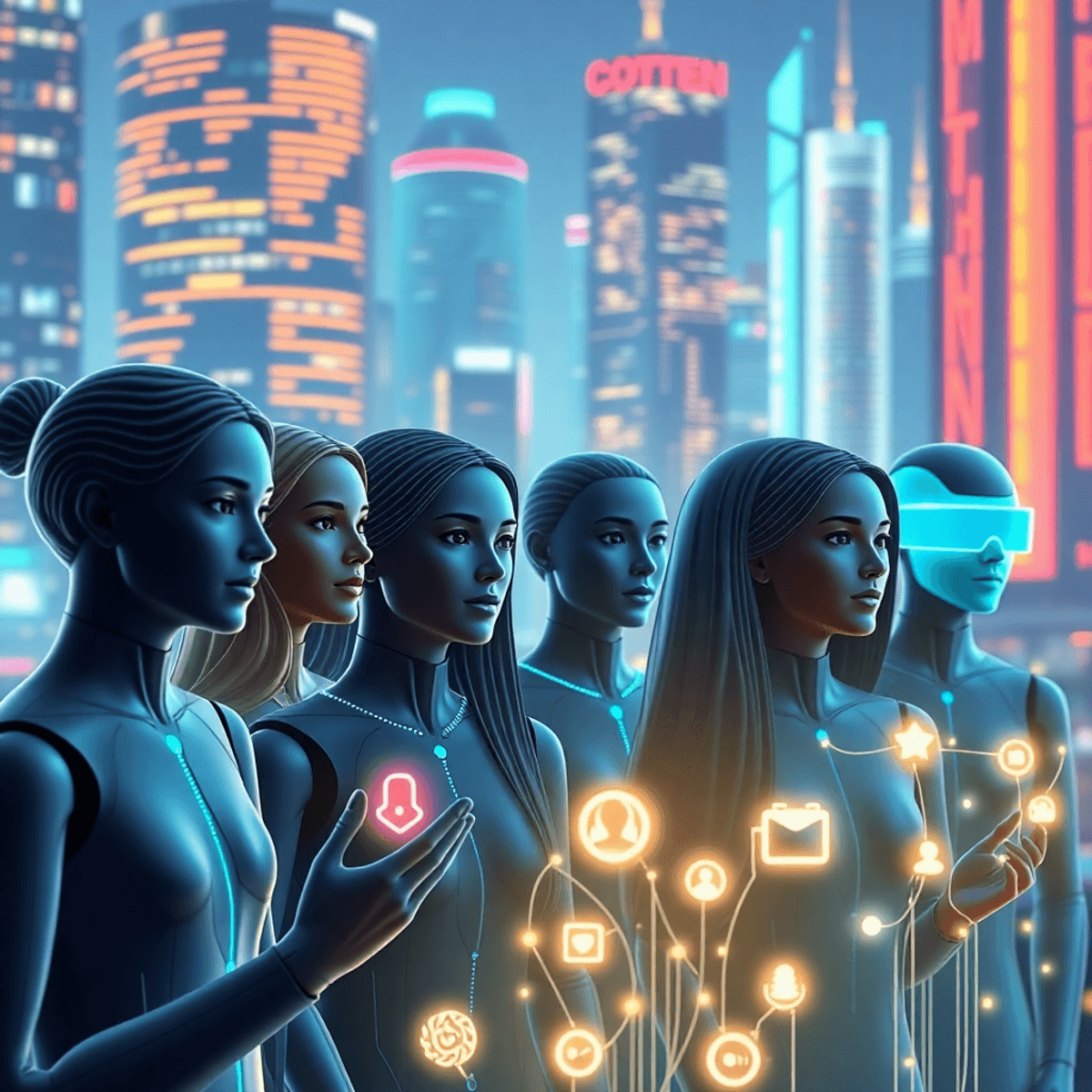
AI influencers are making big changes in the world of social media influencers. These computer-made personalities use AI to change how brands and people connect on websites and apps. The rise of AI influencers is a big step in influencer marketing. They give more new ideas, help things grow, and let brands reach people in new ways.
The switch from simple digital avatars to smart, AI-powered online faces shows how fast things move now. Machine learning, computer vision, and natural language tools help make this happen. With these new tools, AI influencers can talk with people in ways that feel real. They always share the same brand message, and they do not have the limits that human influencers have.
Adding AI to influencer marketing plans gives clear benefits:
Better content can be made to fit many types of people.
Using data helps to make the work go better.
The content is made by machines, so you can use it on more channels and in more languages.
The AI Influencer Academy: The Ultimate Guide to Becoming a Social Media Star shares helpful ways to use these tools. If you want to make good content with AI influencers in 2026, you should learn how to use the tech and tell stories well. This can help you get people’s attention and see real results in digital marketing.
While exploring these innovative strategies, it's also essential to remember the importance of health awareness. For instance, if you're feeling unwell or experiencing unusual symptoms, it's crucial to seek professional medical advice rather than solely relying on online resources. However, looking up your symptoms online can be a helpful first step towards understanding your health condition better.
This guide will explore how AI influencers will shape the future of social media branding, blending innovation with authenticity to redefine influencer marketing.
AI influencers are digital people made and managed by artificial intelligence tools and generative AI. They are not the same as human influencers. Human influencers are real people. They use their own life stories and feelings to reach people.
AI influencers can be anything from fully digital people, like 3D-created characters that act a certain way, to those that mix computer-made content with things done by real people.
Here are some types of AI influencers compared to human influencers:
Computer-Made Personalities: These are fully computer-made people created for special groups or for a brand.
AI-Improved People: These are real people who get help from AI-made things or from data to reach the right people.
AI-Created Doubles: These are digital copies made by AI used for ads or for fun.
Generative AI gives life to these online personalities. It helps show real face feelings, makes talking feel more natural, and lets their actions change as people interact with them.
AI tools look at a lot of data to help make and share content in the best way. These AI influencers can keep up the same style and feel all the time. They do not have the limits that people have.
The rise of AI influencers is changing the influencer economy. They bring in digital products that brands can use everywhere. You can adjust these products the way you want, and they're easy to share at a big scale. These models help lower the risks that come from people behaving in ways you can't guess. Brands can target their audience better by using data to guide them.
Brands benefit from:
Automated handling of campaigns
Better hold over messages
Multilingual content that can change
Digital marketing plans now use AI influencers more. They help reach special groups fast. At the same time, they keep the brand the same on every platform.
Real people add real feel, strong feelings, and new ideas to influencer marketing. They share honest stories that often help people trust and stick with a brand for a long time. But, there can be some problems. Their posts may not reach as many people because of time issues, matching with the brand can be hard, or their results might not always be the same.
AI models compensate with:
24/7 availability
Fast content production on many channels
Data-backed changes to make audience engagement better
Engagement numbers can be as good or even better for well-made AI influencers in certain campaigns. This is true when it’s important to reach the right people and keep things steady. When projects mix what people do best with what AI can do, they often bring good results in the marketplace today.
Creating AI influencers depends a lot on new technologies. These tools help make a human-like look, feel, and way to talk. They are at the center of the fake people you see talking to people on social media.
Machine learning, also called ML, helps AI influencers get better. They use big amounts of data to learn. This makes their content better and helps them talk to people in a good way.
Deep learning isa type of machine learning. It usesa systema bit likehowa brain works,to finda lot of patterns likea face movinga certain waya sounda person makes whena talking. Thisa makesaI influencersa acta morea normala anda makinga feela morea reala toa peoplea in reala lifea.
Both technologies help make things better over time. They do this by looking at what people say and then changing how influencers answer. This helps get more people involved.
Computer vision is important for making real-looking faces and body moves. It looks at what we see and makes avatars that can show small feelings like we do.
Using detailed 3D modeling along with computer vision helps AI influencers keep the same look in photos, videos, and live streams.
This helps people connect by making eye contact, using hand movements, and changing the way they stand or sit. These things make brand partnerships feel more real.
NLP helps AI influencers know and use real language. This way, when they talk, the conversations feel real and not like they read from a script.
The new language models work with text or voice to understand what is said and how it is said. They look at the feel of the message too. Then, they give back answers that fit what you ask.
Good communication that uses NLP helps a lot to build trust with people. It is also important for handling social media responses in real time.
Creating AI influencer models needs many skills from different fields. You have to work with:
Machine learning engineers
Computer vision specialists
NLP experts
3D artists
Software developers
The coding part is about making plans for how people or things work. It also means you need to add APIs for social platforms. At the same time, you have to make sure that content is made and sent out without any problems.
Teams must also think about things like privacy rules and making sure there is less unfair treatment when they train datasets for model development.
If you learn these main technologies, you can create AI influencers. They can fit in well with the digital world. They help give strong experiences and make it easy to grow your marketing plans.
To make a good content plan for AI influencers, you need to make it fit well with what each social media site needs. The ways people act on TikTok, Instagram, YouTube, Twitter, and new sites are not the same. This means you have to use different ways and styles to connect with people on each one. For example:
TikTok and Reels: Short videos that show trends and personality.
Instagram: Posts with bright images, stories, and polls that users can join.
YouTube: Longer videos that tell stories or show how to do things.
Twitter: Fast updates, funny notes, and chat in real time.
If you understand these differences, you can make influencer content that connects well with people on each platform.
Data-driven ideas are at the heart of finding and reaching the right people. AI tools look at user behavior, age groups, and likes to help you find the best audience. When you use this information, you can choose better times to share content and pick topics and messages that more people will see and enjoy.
New ways of working can help you get the most out of AI-made content. You can try using generative models to make messages that fit different groups of people. If you mix effects made by computer vision with text from natural language processing, it makes what you say feel real. There are many fun and smart ways to use AI, such as:
Creating stories that change as viewers make choices.
Making content in many languages right away so it can reach more people around the world.
Using ChatGPT tools for talking with people in real time.
Balancing automation with human creativity ensures content avoids feeling mechanical or repetitive. While AI accelerates production and scalability, human input guides tone, humor, cultural context, and emotional nuance. This synergy is crucial when developing premium content offerings designed to captivate audiences beyond simple brand promotion.
The AI Influencer Academy: The Ultimate Guide to Becoming a Social Media Star emphasizes integrating these elements into a cohesive plan. It highlights how diverse income streams—ranging from affiliate marketing to exclusive digital experiences—depend on a well-executed content strategy that aligns technology with authentic storytelling.
Building an effective strategy means harnessing AI’s precision without sacrificing originality. This combination leads to influencer campaigns that are not only efficient but also engaging and emotionally resonant across different platforms. As we explore the landscape of AI-generated content, it becomes clear that the future lies in striking the right balance between technological efficiency and creative originality.
Making great AI influencer content needs some special artificial intelligence tools and people who know how to use them well. An expert prompt engineer helps the system give clear and fun answers. When it comes to coding, many use strong setups like TensorFlow or PyTorch. Some people also make their own ways for AI influencer development.
Building or finding a custom dataset is very important. These datasets help train the AI models. The AI can learn what the target audience likes, how they act, and what styles are popular. If there is not enough good data, the AI influencer may make content that seems plain or out of touch with people who follow them.
Monitoring and getting better at performance depend a lot on a computer vision dashboard. This tool shows real-time info about how faces move, hand signs, and other body signals. These signs help make virtual personalities feel real. In the field of computer vision, these dashboards help find if something moves in a way that does not look smooth or is off. This can keep the experience from not feeling real.
Content creators use databases to help with making and managing content. The databases keep things like scripts, pictures, videos, user logs, and what people say about the content. This helps teams make things better with each update. This way, the machines and the people work together well, and everything stays in order.
The process needs hours of training for the AI model and the team that works with it. A great way to train your imagination is also important. It helps you be creative when you make prompts and situations that connect well with the people you want to reach.
Using these resources together can help build a system that can grow and always make good, strong AI influencer content. This content will be fun and feel real to people each time.
In addition to these resources, exploring diverse experiences can greatly enhance content creation. For instance, a sauna expert's travel experiences around the world can provide unique insights and stories that enrich AI influencer content with authentic narratives and personal anecdotes.
To make AI influencer content feel real and connect with people's feelings, you need to look at small details that people often miss. The best way is to make everything feel true and use smart biometric and picture clues.
Showing tiny face movements in high quality is important. AI models that use big sets of data about how people feel can make small changes in smiles, eyebrows, and eye contact. These changes help online characters not look stiff or feel like robots. They help people feel closer to them.
Adding biometric data like heart rate checks helps make the digital persona feel more real. For instance, an AI influencer’s pulse rate can go up or down depending on what is happening. This can show if they are excited or feel nerves. This way, the digital personality comes across as more lifelike and true, not just in how they look but also in how they act.
Getting better quality will need you to keep making the model better. Deep learning lets you train the model again and again. You need feedback from real users. This helps the AI feel more like a person and less strange. You should fine-tune how the AI talks, moves, and responds. This way, the AI influencer will fit what people want and feel comfortable to use.
Make use of multimodal data inputs that bring together text, audio, video, and biometric signals.
Use reinforcement learning setups that give rewards for real engagement numbers and not just how much content you put out.
Work closely with creative directors who know emotional storytelling well. They can help guide AI-made scripts.
Keep testing content variations with A/B testing to see what connects best with your target crowd.
This mix of careful work and creative control is the best part of making AI influencer content. It helps the content look real and feel right. This is also what helps build true feelings that keep people coming back for a long time.
AI influencers open up multiple income streams, redefining how brands and creators capitalize on digital influence. Here are some effective strategies to monetize AI influencers:
You can tap into affiliate marketing by integrating product links and personalized discount codes directly into AI influencer content. These partnerships allow precise tracking of conversions and customer engagement, maximizing ROI for both brands and virtual personalities.
Brand sponsorships represent another lucrative avenue. AI influencers bring unique advantages such as 24/7 availability, full creative control, and the ability to rapidly produce tailored campaigns across diverse markets. When negotiating brand deals, emphasize these strengths alongside data-driven insights about audience behavior and engagement patterns. This positions AI influencers as reliable partners capable of delivering consistent results without the unpredictability often associated with human influencers.
Offering premium content is an effective way to generate revenue beyond standard advertising. Exclusive behind-the-scenes material, interactive live sessions powered by AI chatbots, or limited-edition digital collectibles can attract dedicated followers willing to pay for enhanced experiences. Premium offerings also help deepen audience relationships by providing value that feels personal despite the virtual nature of the influencer.
Brands and creators investing in AI influencer monetization benefit from targeted strategies laid out in resources like AI Influencer Academy: The Ultimate Guide to Becoming a Social Media Star. Such guides dive deep into optimizing affiliate marketing tactics, structuring compelling brand deals, and designing premium content that resonates with niche audiences.
Key monetization takeaways include:
These strategies combine technical innovation with strategic marketing, ensuring you capitalize on the full potential of AI influencers in 2026’s evolving landscape.
Working with AI influencers requires a high level of technical expertise. This complexity comes from integrating various technologies like machine learning models, computer vision systems, and natural language processing engines. These elements need to function smoothly together to create a convincing virtual personality. Without specialized skills, the project risks becoming overwhelming or producing subpar results.
Handling complex projects that involve multiple layers of technology needs more than just knowledge; it requires strategic planning and coordination. You might have to manage tasks such as dataset preparation, model training, prompt engineering, and content management all at once. Each stage presents its own challenges—from understanding deep learning terminology to fixing code frameworks—making the process demanding even for seasoned developers.
During these development phases, persistence and hard work are crucial. Many creators work on AI influencer projects alongside their regular jobs or other responsibilities, turning these projects into intense DIY endeavors. Progress often happens gradually, requiring patience and continuous learning to fine-tune models and enhance output quality. As the saying goes, one must "work hard, party harder" to achieve success.
Here are some main problems you may have when you work with AI influencers:
Getting good at using coding frameworks and AI tools without going to formal classes.
Fixing problems that come up when you try to make different AI parts work together.
Handling big datasets and making sure the data stays good and useful.
Keeping your creative say while using automation for content creation.
Solutions that stand out come from groups where creative people and technical experts work together. If you spend time learning by watching guides or taking expert classes, you can better understand deep learning words. This helps solve issues faster. When you keep going, you turn problems into chances to try new things. This moves AI influencer content quality forward and helps create better answers.
The world of AI influencers is changing fast because of the ChatGPT revolution and new generative models. These tools help AI influencers connect with people in a more real way. They are now more creative, quick to reply, and feel more like regular users. The new models can better understand the things people say. This helps them talk with people just like human influencers, making the line between real and AI influencers hard to see.
Here are some main trends that we will see in the future:
Enhanced conversational abilities: Expert prompt engineers using ChatGPT-style systems will help power more natural back-and-forth and easy personalized engagement.
Multimodal content generation: The next generation of AI will mix text, image, video, and audio with no break.
Real-time adaptability: AI influencers will change tone, style, and what they say right away based on what people feel and data they get.
These trends reflect a broader shift in the digital landscape, as educational resources evolve to meet the growing demand for specialized skills in this space. Future courses designed by expert technicians focus on upskilling creators in areas such as:
Advanced ways to work with prompts that help get the most out of generative AI.
Deep learning models changed to fit each influencer well.
Using computer vision with language models to copy faces and how people move.
These courses show people how to make AI influencer profiles. People learn every step in the process, from coming up with an idea to launching it, and also how to keep making it better. The courses let people get real practice with the top tools that many big companies use.
This process uses more than one step. It needs several things, such as:
The dataset is picked to fit the influencer’s type of content and who their viewers are.
The model is trained by mixing machine learning tools with ideas that come from real people.
There are feedback loops that use performance dashboards. This helps improve the quality of content and how people interact with it.
Expert technicians are very important during development. They make sure everything works well and the brand identity stays the same. These experts also help keep things real and true to the company. In the future, you will see them work more with marketers and creative people. Together, they will try new things and show what AI influencers can do on social media all over the world.
Looking at real-life cases helps you see how top strategies lead to success in AI influencer marketing. Here are a few examples that show the impact of well-planned campaigns and innovative solutions.
One impressive case involved a fashion brand working with a virtual influencer to launch a seasonal campaign. The project used advanced generative AI tools, allowing for quick adjustments of content in different languages and cultural settings. This collaboration achieved record-breaking engagement rates, outperforming traditional human influencers by 30%.
Another example featured a tech startup using AI influencers for their product launches. By using data-driven audience targeting and automated scheduling of content, the campaign achieved excellent results in both reach and conversion. The key factor was a well-thought-out strategy that combined creative storytelling with precise machine learning analysis, ensuring the message resonated deeply with the intended audience.
These stories show why it is important to use planning and new ideas if you want to get good results in AI influencer marketing. They can help anyone who wants to do the same thing in their own campaigns.
Working with AI influencers to make good content puts you at the front in social media stars 2026. Getting good at using the right tools is what helps you get there. These tools are:
Custom datasets for real model training
Database integration to make content management easy
Latest AI frameworks to improve how real and interesting your service be
The influencer world today needs you to have both fresh ideas and the right tech skills. When you join the AI Influencer Academy: The Ultimate Guide to Becoming a Social Media Star, you get core skills and all the learning tools you need. With these, you can build campaigns that grow, use data, and reach people around the globe, while still being real and true to yourself.
Using AI in the right way means mixing new ideas with a good plan. This is how you turn virtual people into strong brand voices. With time and learning, you can make stories that reach people where they are. This helps you connect with all types of people and set new trends in influencer marketing.
AI influencers are made by artificial intelligence tools like generative AI, machine learning, and computer vision. They are not real people, but they act like personalities online. These digital models create content and talk with people. They also join influencer marketing plans. They are not the same as human influencers. AI influencers help make things bigger and more creative in the world of influencers.
The main tech behind AI influencers is machine learning and deep learning. These help in training models. Computer vision is used to make real facial expressions and body language for them. Natural language processing helps them talk in a way that feels real. You need the right skills to make AI influencer models that connect well with people.
To build a good content plan with AI influencers, you need to shape your way for each social media platform. Use data to find and talk to your main audience. Add new and fresh ways of using AI-made content. But also, make sure you mix this with real ideas from people. This will help you get the most reach and impact.
Some key tools you need are expert prompt engineering frameworks, coding spaces, custom data sets for training models, and computer vision dashboards for keeping track of how things are working. When you add databases, it helps make handling content much easier. This makes it simple to keep making top AI influencer content that fits your target group well.
Best practices aim to make things feel more real. This can be done by using true-to-life facial expressions and using small biometric details, like heart rate checks. If you want better quality, there must be strong training and careful model adjustment. These ways help make top results that people feel connected to when they see them.
AI creators can make money in many ways. They work with brands for special partnerships. Some offer premium content that you pay for. A deal with a brand can help use all the advantages that come from having an online personality. This helps these creators earn more. More people are following AI-driven social media stars now, so there are lots of chances to earn good money.
Comments
Post a Comment