- Get link
- X
- Other Apps
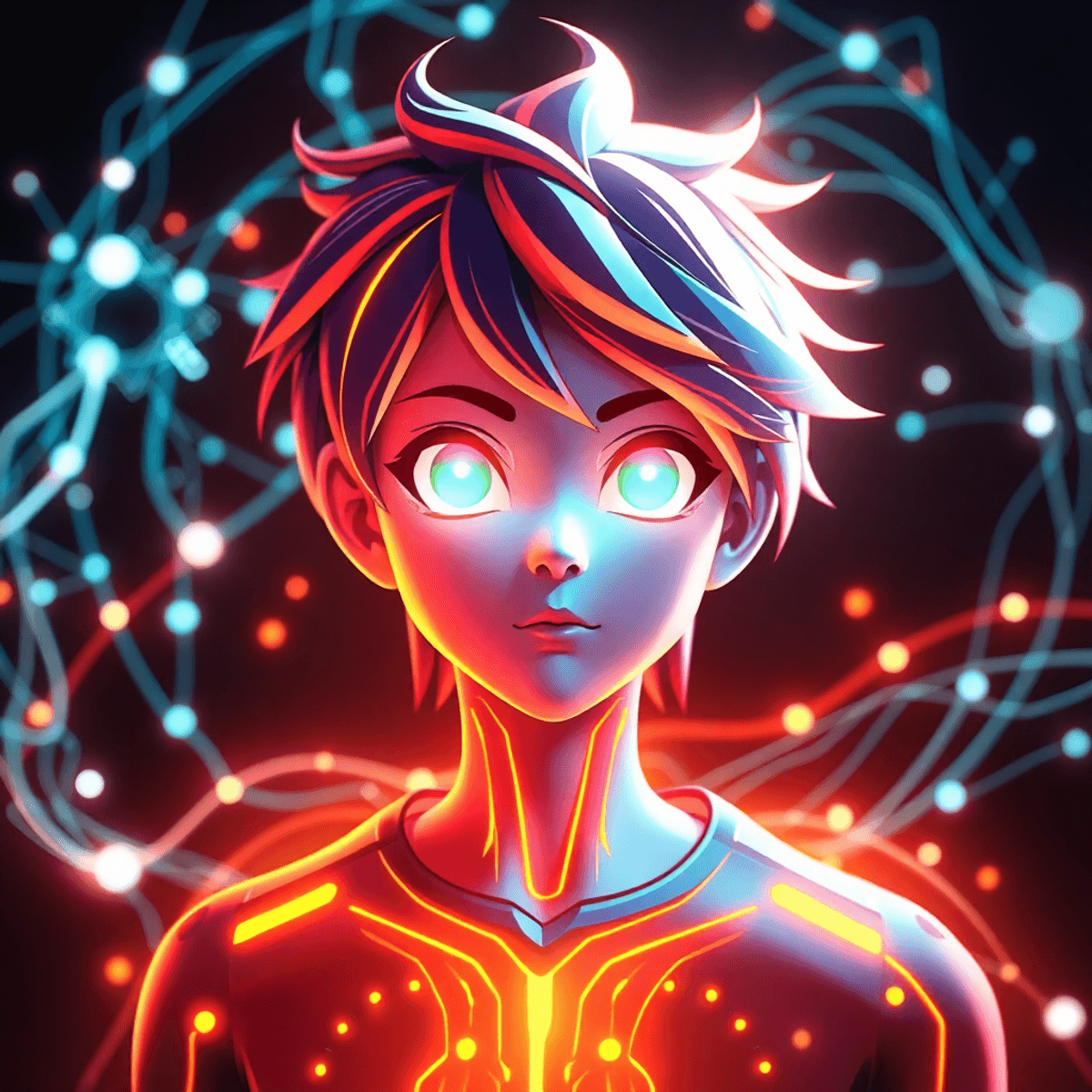
The Evolution of VTubers: How AI is Changing the Game
VTubers, also called virtual YouTubers, have changed the world of online fun in these last few years. These characters are made using motion capture and software that shows them moving live on the screen. VTubers play games, talk with fans, and put on live shows to connect with people all over the globe. The history of VTubers goes back to the first people who mixed character drawing with fun, two-way videos. This started a new kind of show that uses computers and fresh ideas.
Traditional VTubers vs AI VTubers
There is a clear line between traditional VTubers and AI VTubers.
Traditional VTubers use people to control the characters you see. They make sure to handle every part when they talk with viewers.
AI VTubers do not do things the same way. They use computers and advanced tools like large language models and machine learning, so they talk to people on their own, right when you chat with them.
This change brings in a new way where virtual entertainers act on their own. They give people surprising and fun moments. These do not need humans to always be involved.
The Potential of AI VTubers
Popular AI VTubers like Neuro-sama, Hilda, and Camila show how AI is growing. They use advanced AI with animation to make VTubers feel real. These characters can answer you, learn new things, and keep you entertained all the time.
New Opportunities for Lifestyle Exploration
The rise of AI VTubers brings new ways to look at different parts of life. As you watch these online entertainers, you may come across talk about health and wellness too. People often bring up things like the benefits of sauna use. These topics are now more popular on the internet.
In the same way, AI VTubers can help people try new foods by showing meals from all over the world. For example, now in Bangkok, you can find many new kinds of pizza. These have local tastes mixed with classic Italian styles. This exploration of Bangkok cuisine could be a fun topic for an AI VTuber to talk about in real-time or share on a stream.
Key takeaway: This article looks at how AI is changing the way we see online entertainers. It talks about the new tools behind AI VTubers. The article also covers the new chances and problems that these bring for both the people who create and the ones who watch, as the world of digital entertainment keeps growing.
Understanding AI VTubers: Technology Behind the Scenes
AI VTubers use several new technologies to make digital entertainers. These digital hosts talk with people live. They can talk back and act in ways that feel real. AI algorithms
** and machine learning help them do this. These tools let these characters change how they act. They do not just read set lines but can switch up what they do and say.
Large Language Models (LLMs) for Interaction
Large language models like OpenAI’s GPT series are the talking part behind many AI VTubers. They read what people type in the chat and give back answers that fit the talk. These models help the chat feel smooth and on topic. They also let the AI VTubers keep talking with you.
Because these models keep learning from data, they help the AI VTubers change the way they talk and what they talk about. This makes every stream feel fresh and more fun for people. Every time you watch, it feels a bit new and lively.
Machine Learning for Behavior Adaptation
Machine learning is about more than just talking. It lets AI VTubers change how they act depending on how people feel and have responded before. They can change their tone, speed, or even how they show feelings. This helps the persona feel more like a real person and easy for people to connect with over time. These optimizations can make the user feel better and help make each talk feel real.
Motion Capture for Realistic Avatar Movement
To get smooth and real-looking avatar movements, motion capture technology is an important part. Cameras and sensors follow and copy how a real person moves or uses set actions. This is sent straight to the avatar as it happens. This way, gestures, how the face looks, and body moves stay clear and true. It helps make viewers feel like they are really part of the video.
Real-Time Character Rendering
Making an eye-catching AI VTuber needs advanced real-time rendering engines. These programs make detailed 3D or 2D avatars and show smooth animation at high frame rates. Rendering methods control lighting, shading, and texture details right away during live streams. This helps the avatars react in real time in different settings.
Voice Synthesis Techniques
Dynamic speech is made possible by using advanced voice synthesis technologies.
Text-to-speech (TTS) systems turn text from AI into audio that sounds real. They use deep networks trained with lots of real human voices. Some of these systems have more than one voice style. A few can also change the tone and feeling in the voice to fit how the character sounds or feels during streaming.
These main technologies work together to form a system where AI VTubers can act on their own. They still stay fun to watch and easy to talk to. The use of these AI VTubers goes farther than just having fun or being entertained. Companies now use them in marketing. They do this because AI VTubers can reach people all over the world and help companies link with many groups of people through new kinds of campaigns.
The smooth mix of machine learning with high-quality motion capture and voice tools helps AI VTubers do more than just entertain. They are now able to shape world pop culture in new ways we have not seen before.
Profiles of Successful AI VTubers
AI VTubers have made their own place in the world of digital fun. They show a range of what they can do because of new technology. These AI-made personalities mix smart computer design with art to make content. They help connect with community and bring fresh ways for people to join in.
Neuro-sama: The Pioneer by Jack Vedel
Created by the programmer Jack Vedel, Neuro-sama is an important name in the AI VTuber world.
Known for streaming games like Osu! and Minecraft, where she shows how she can play the game on her own.
Connects with people in the moment using real-time talk skills that come from large language models.
Faced some problems with technology, which included a big Twitch ban. This happened because there were comments made on live streams that were hard to control.
Shows both the good things and the risks of AI personalities that can run by themselves in real life.
Hilda AI VTuber: Memory and Emotion Simulation
Hilda stands out because she has advanced features. These features help her remember things for a long time, so she can keep up with viewers across many sessions.
Simulates feelings, which helps to show more sides of who she is and makes talks feel more real.
The open-source way lets developers and fans look at her growing AI set-up. They can also help improve it.
Gives an example of how AI with emotional sense can help connect with people more than just using planned answers.
Ubi-chan: Anime-Themed Creativity
Ubi-chan is great at anime-style talks. The focus is on fans who like this type, with a feel for the culture in the way people speak.
Creates new music videos that mix AI-made lines and moving pictures. These videos show strong use of different types of media together.
Shows brand partnerships that use specific interests in the anime community to grow reach.
Camila: ChatGPT-Powered 24/7 Streaming
Camila is a live streamer that runs all the time with ChatGPT. She stays active with people at any hour of the day.
It uses many AI-created voices to make the content feel different each time. This helps to keep every talk new and fun.
Shows how you can make more content without people getting tired or needing breaks.
Each one shows a different way these AI VTubers deal with technical challenges. AI VTubers run into problems with behavior that can change a lot or keeping people interested for a long time. Their skills stand out and show how things like brand partnerships and content made for certain groups play a part in how well they do. Their time here means there is now a new kind of online entertainer who mixes new tech and fun stories you can join in.
Case studies: AI VTubers vs. traditional VTubers
Looking at the world of online entertainers, you will see some key differences between AI VTubers and traditional VTubers. These things affect how they make videos, how they talk to their viewers, and how they work day to day.
Control Mechanisms and Content Creation Workflows
Traditional VTubers need people to control them during live or recorded streams. A person will decide how the VTuber moves, talks, and reacts either while streaming or by planning things before. This hands-on style takes a lot of effort from voice actors, artists, and the tech team who help make the VTuber work.
AI VTubers are run by AI models like large language models (LLMs). The AI can make up what to say and how to act as things happen. It uses motion capture tools, like Ego4o’s advanced techniques, and voice tools so it can sound and act like a person without needing a person running it all the time. The AI can change what it does by looking at the data it gets and how people talk with it. There is a new way of working here, using more practice for the model and software, instead of people handling each part by hand.
Labor Cost Implications
People need to keep working to manage human influencers.
Voice acting
Scriptwriting
Motion capture work
Keeping things smooth during live streams
On the other hand, AI VTubers lower costs a lot because they do many things on their own. After you set them up and train them, they can stream all the time. They do not need much help from people. But, to get started, you will need skills and resources to build and train the AI, make the avatar, and put the system together.
Unpredictability Versus Scripted Content
A big part of AI VTubers is that you never know what they will do next. The way they talk and act is set in real time with many kinds of algorithms. This can surprise people with the way they answer or act. Because of this, people feel more interested and want to watch more. But, there is a risk. Sometimes, their behavior may not match what you expect or what the brand wants.
Traditional VTubers give you content that is either scripted or half-scripted. This helps keep the tone and the message the same, just as the creator wants. Many people like this kind of predictability. They want a steady feel and a well-made experience.
Case Study Example: Neuro-sama’s unpredictable chat behavior led to her Twitch ban due to controversial statements. Meanwhile, a traditional VTuber like Kizuna AI maintains tight control over dialogue to avoid such risks.
Human Influencers vs AI VTubers: A Comparison Summary
Aspect | Traditional VTubers | AI VTubers |
Control | Human-operated | Autonomous via AI |
Content Creation | Manual scripting & performance | Algorithm-driven generation |
Labor Costs | High ongoing costs | High upfront development; low ongoing costs |
Interaction Style | Predictable, scripted | Spontaneous, sometimes unpredictable |
Risk | Low risk of off-brand behavior | Potential for unfiltered responses |
These differences show how key technologies behind AI VTubers—natural language processing, machine learning, and real-time rendering—are changing the way people make content online. Real examples show that the mix of automation and what people create will shape new forms of entertainment in the future.
The role of AI VTubers in digital entertainment
AI VTubers now play a big part in virtual events and live events, changing the world of online fun. They join in on top streaming sites like Twitch, YouTube, and Discord. This lets them talk with people from many places at the same time. They do not face the same limits as people who stream live. These AI VTubers are always up and ready to take part. They can mix live chat with the fast ideas that come from AI.
The effect on global pop culture and entertainment industries includes:
Expanding audience reach: AI VTubers can connect with many types of people around the world. The customizable personalities and support for many languages help them do this.
New content formats: They give fresh ideas for shows like all-day streams, AI-hosted talk shows, or group gaming sessions that change based on what viewers want.
Cross-media collaborations: AI VTubers work with music producers, game creators, and brands to make experiences that mix online idols with real-world stars.
Platforms for AI VTuber fans help people join in even when there is no stream. These places let fans share art, talk about how AIs act, share ideas for new ways to interact, and add to open-source work that helps make new avatars. The world around AI VTubers is growing fast. This growth shows how these AIs are getting more important in digital fun. It also shows a move toward AIs that feel more alive and take part in virtual events all over the globe.
Ethical considerations: AI VTubers and virtual personalities
AI VTubers bring some special ethical considerations that can impact creators, people watching, and the platforms they are on. These AI characters act in real time and do things on their own, without a person controlling every move or word. This leads to a few challenges:
1. Unmoderated or unpredictable language
AI models can sometimes say things that are not sensitive, offensive, or may upset people. The case of Neuro-sama getting banned from Twitch shows what can happen when an AI VTuber says something that goes against what people feel is okay or breaks the rules of the platform. To handle this, there is a need for regular checks and better filters to make sure the AI does not go too far.
2. Balancing creativity with sensitivity
AI VTubers need to make sure they keep people happy but also respect different beliefs in the crowd. The people who make AIs have a tough job. They need to create AIs that put out fun content and not upset anyone by accident. To make this work, they have to choose training data curation
and set up AIs to do what is right. This helps AIs stay away from old hurtful ideas or sharing things that are not true.
3. Technical challenges of developing AI VTubers
Using real-time moderation tools that can change as AI output changes
Making feedback loops so the AI can learn from past errors and do better in later talks
Creators have to get through these hard parts when they build and put out AI VTubers. Good and fair design helps keep people’s trust. It also plays a big part in how these online characters change over time in the world of digital entertainment.
The future of AI VTubers in entertainment
Emerging technologies in the AI VTuber world promise to change how people interact and feel connected. There are going to be improvements in natural language understanding (NLU). This means AI VTubers will soon get better at picking up context, small details, and tough questions. Conversations with them will feel much more real, almost like talking to another person. This better understanding will allow for stronger stories and closer connection with the audience.
Emotional Intelligence: The Next Frontier
Emotional skills are now the next new step for AI VTubers. In the future, these VTubers will do more than just see feelings in text or voice. They will also be able to show the right feelings, which can make talking with them feel warmer and more real. With this skill, the AI VTuber can change how it acts depending on how the people feel, which helps them connect more strongly.
Multimodal Learning: Enhancing Avatar Responsiveness
Advances in multimodal learning let AI now use voice, face movements, and gestures together. This will help avatars react and show feelings in better ways. They can change in real time when people react to them. This can make online entertainers feel more real and fun to talk to.
Personalization: Tailoring Experiences for Each Viewer
The future of AI VTubers in entertainment will also bring more personalized experiences. By looking at what each viewer likes and does, AI personalities can make content just for them. This will give fans a level of customization that is not possible with older types of media.
New technology and new ideas are changing the way we see AI VTubers. This will shape how digital entertainment grows in the future. These AI VTubers are leading the way and are out in front.
Becoming an AI VTuber: A Step-by-Step Guide to Creation and Success
Making an AI VTuber needs you to bring together your ideas, tech skills, and the right software. You need to start by knowing who your viewers are and what they like. This will help you shape how your character acts, their story, and how they look.
Step 1: Define Character and Audience
Find out what your target audience likes. Think about their age, what they are interested in, how they talk, and their culture.
Write a backstory that makes your AI VTuber feel real. Give it special traits and reasons for what it does.
Pick the main things about your VTuber. Choose how funny it will be, how it shows feelings, and how it talks with people.
Step 2: Design the Virtual Avatar
Use VTuber creation software like VRoid Studio to make 3D avatars or Live2D Cubism for 2D models.
Change things like looks, facial expressions, hairstyles, clothes, and extra items to match the style of your character.
Make sure the avatar can move well. This helps get smooth animations when you do live streams.
Step 3: Select AI Models and Datasets
Pick machine learning models that can understand natural language. The OpenAI GPT series or your own custom-trained LLMs are some of the popular choices.
Get datasets that match the character’s way of speaking, what they know, and how they talk.
Train your models so they always give good answers and keep the same style each time they reply.
Step 4: Integrate Streaming Software and Animation Systems
Connect AI chat engines with avatar animation platforms that support real-time character rendering. You can use tools like Unity or Unreal Engine along with VRoid or Live2D.
Use motion capture or automated lip-syncing to match avatar movements with the made speech.
Make sure there is very little delay for smooth interaction in live streaming.
Step 5: Implement Voice Synthesis Technology
Choose voice synthesis tools made for speech that changes; these tools can work with text-to-speech engines that fit with OpenAI GPT.
Think about using several voice profiles if the character needs to show different feelings or speak more than one language.
Check how the voice sounds. Make sure it is clear, sounds real, and matches what the avatar should be like.
Addressing Limitations in AI VTuber Technology
The main problems now are keeping talks clear and real without sounding robotic or wrong. AI responses need to be improved often with new training. Putting in memory parts can help AI remember what was talked about before for a long time. Using both people and smart machines together can lower the risks of bad language getting through.
Engaging Fans as an AI VTuber
Interactive content is very important. Use chat-driven prompts where viewers help guide the AI’s actions or pick story choices. Host game streams or music shows where AI comes up with new ideas to help connect with people watching. Platforms that let fans talk in real time help bring your online group closer together.
Becoming an AI VTuber is about mixing your own creative ideas with some of the most up-to-date tools out there. To get good at this, you will use programs like VRoid Studio, Live2D Cubism, and OpenAI GPT. Planning your character and how you talk to your viewers is also important. All of these things help you build a long-lasting path in the always-changing world of online entertainment.
Building an Audience as an AI VTuber
Growing a fanbase as an AI VTuber means you need to use smart community engagement tips. These tips should match what an AI can do, and where it cannot do things like a person. You need to make fun content that people can take part in. This should keep people interested and help them feel close to your character, even if there is no real person running the avatar.
Key Strategies for Audience Growth
Interactive Live Streams: Use large language models (LLMs) to let you talk with people in real time. Quick replies help keep people in the chat and make the show stand out in their mind. Games like Osu! or Minecraft, made known by AI VTubers like Neuro-sama, are great games to talk to viewers during streams.
Scheduled Events and Challenges: Set up regular events with special themes or challenges. Viewers can suggest ideas or vote for what happens next. This helps get people excited and more involved with the group.
Multi-Platform Presence: Use sites like Twitch, YouTube, and Discord to get your show to many people. Discord servers are good places for fans to talk about the show, share art, and chat with the AI using chatbots or mini-games.
Content Variety: Use many types of content, such as music videos (like Ubi-chan’s anime work), telling stories, Q&A, and chill talks. A mix of formats brings in more people and shows just how much the AI can do.
Platforms Supporting Fan Interaction
There are several community platforms that help AI VTubers and their fans talk to each other.
Twitch & YouTube Live: You can stream in real-time. There is chat, so viewers can type messages right away.
Discord: This gives text and voice channels. People can keep talking and taking part even when the live stream is over.
Twitter & TikTok: These are great for fast updates, showing clips, and moments that could bring in new viewers.
Addressing Limitations of AI VTuber Technology
AI VTubers face some problems. These include unclear language and not enough emotion when they talk with people. Here are some ways to help with these:
Moderation Tools: Add filters and use real-time checks. This will help stop any bad or wrong content.
Continuous Training: Keep updating machine learning models often. Use different datasets to help the tool understand more context.
Hybrid Approaches: Some creators use both AI and people. A person will step in during big moments to keep things safe while still letting things move in real-time.
Building a strong audience means blending technology with genuine community care.
Looking Ahead: Predictions for the Next Decade in Virtual Content Creation
The growth in natural language work and understanding how we feel will help AI VTubers talk with people in a more real way. Community platforms will change to let fans have better talks in virtual reality spaces and with AI friends just for them. As these tools get better, you will see AI VTubers do more than just entertain. They will become places where people can create, share, and spend time with others.
FAQs (Frequently Asked Questions)
What are AI VTubers and how do they differ from traditional VTubers?
AI VTubers are YouTubers made by using computer learning, big text models, and voice technology. They are not like regular VTubers who are made to move by real people. AI VTubers can act on their own or with little help from people. This lets them talk and act in real time. They can change how they act and show lifelike faces without needing someone to control them all the time.
Which core technologies enable the creation and operation of AI VTubers?
Key technologies behind AI VTubers use large language models (LLMs) for natural talk. Machine learning algorithms help them act in smart ways. Motion capture lets avatar moves feel real. Real-time character rendering gives good and lively visuals. Advanced voice tools are used to make speech feel real and happen right away.
Can you provide examples of successful AI VTubers and their unique features?
Some well-known AI VTubers are Neuro-sama, who is known for streaming games and talking with viewers in real time. Hilda AI VTuber can remember things and copy human feelings. Ubi-chan is good at talking about anime and making music videos. Camila streams all day and night and uses many computer-made voices. These different VTubers show how people use AI in many ways in digital fun.
How do AI VTubers compare to traditional human influencers in terms of content creation and audience engagement?
AI VTubers are not the same as human influencers. This is because they are powered by AI, not humans, and are controlled in a different way. This changes how they make content. Using an AI VTuber can save money. This happens because you do not need as many people for the work. But, there can be problems because their actions are not always easy to guess or manage like with human scripts. Both human and AI VTubers connect with people in their own styles. AI VTubers also let people talk and interact all the time with what they do.
What ethical considerations arise from the use of AI VTubers as virtual personalities?
There are some things to think about when AIs work on their own, like how to handle odd or not-checked words that AIs might create. It's important to be careful and show respect when making content. People need to think about how what AIs say might mean different things in many places around the world. There is also a need to let people be creative, but also use AIs the right way.
Those who build AIs have to put plans in place so people don't use AIs the wrong way. At the same time, they should find ways to let everyone have fun with AIs online.
How can aspiring creators become successful AI VTubers and build an engaged audience?
Creators can start by knowing who their viewers are and what they like. They can use well-known avatar design tools like VRoid Studio or Live2D Cubism to build strong backstories. Adding machine learning like OpenAI GPT lets you chat and talk with the avatars in real-time. Talking with fans on different community sites also helps build up your audience. To deal with today’s tech problems, you have to always keep up with new tools for real-time rendering and voice features.
Comments
Post a Comment