- Get link
- X
- Other Apps
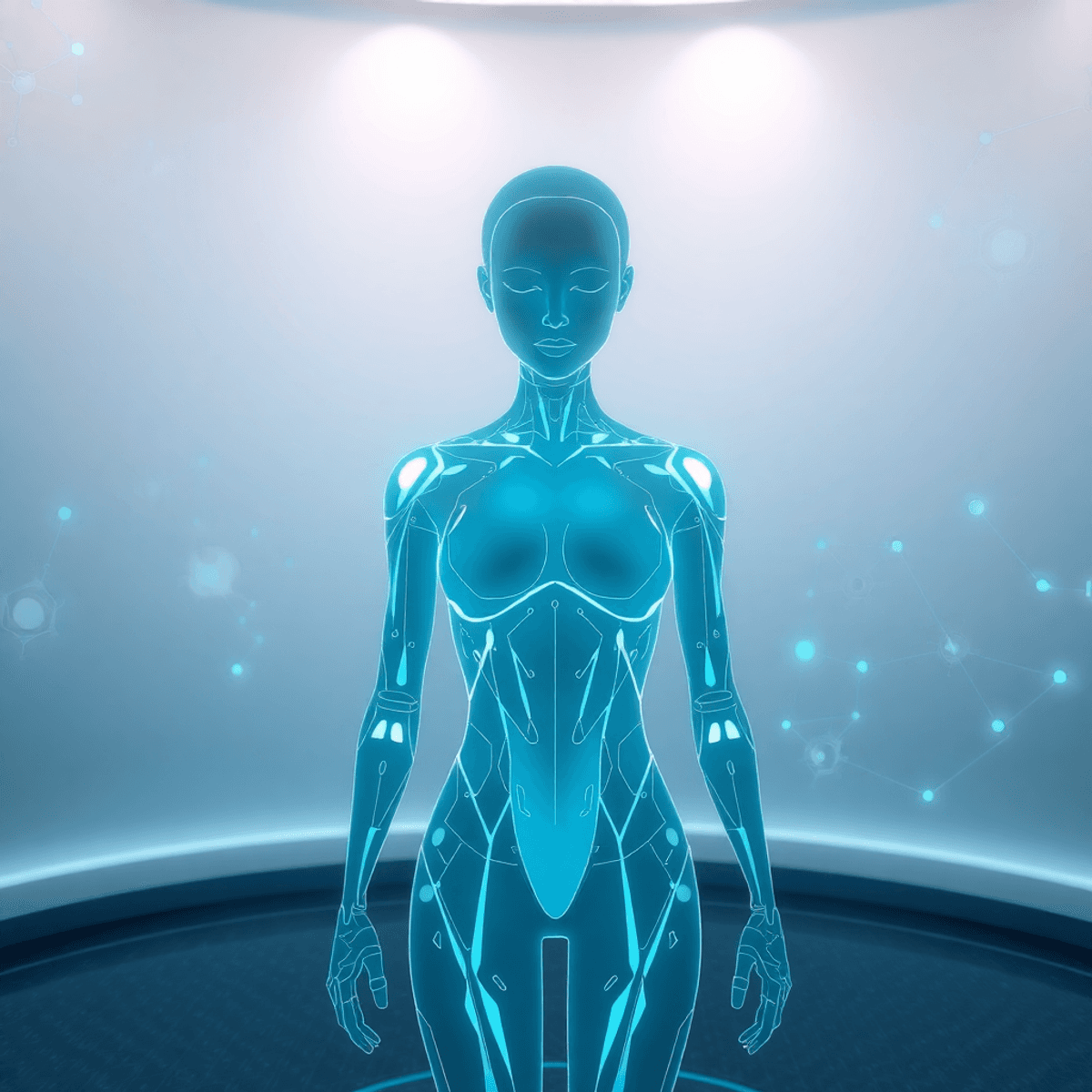
The rise of AI influencer girlfriends shows a big change in the virtual relationships and digital companionship area. These AI characters give people one-on-one chat, from caring talk to fun times. People feel closer and less alone, even in a busy world made by new tech. More people now use the platforms that give these things. This means the buzz around AI influencer girlfriends is real and will stay for some time.
Digital companions give each person special attention. There are not many problems like the ones that come up in human relationships.
They help with the need for people to feel connected. This is important because more people feel alone and away from others now.
However, while these virtual relationships can offer solace, they are not without their challenges. For instance, reporting issues like theft, such as the frustration of reporting theft or dealing with a stolen Samsung device, can be daunting tasks.
Key takeaway: While AI influencer girlfriends represent an innovative form of companionship, their use raises critical ethical questions. Issues such as authenticity, privacy, emotional impact, and potential manipulation require careful consideration to ensure the well-being of both users and society at large.
Understanding AI Influencer Girlfriends
AI influencers are a new type of digital creation designed to connect with audiences through fake personalities and interactive content. Unlike traditional human influencers who share personal experiences, feelings, and real-life interactions, AI influencers are completely computer-generated characters made using complex algorithms. They have traits like consistent behavior, adaptability to user preferences, and the ability to always be available for conversation.
Key Differences Between AI Influencers and Human Influencers
Here are some important differences between AI influencers and human influencers that show the strengths and weaknesses of each:
Aspect | AI Influencers | Human Influencers |
Consistency vs. Authenticity | Deliver predictable responses shaped by programming and data patterns | Offer spontaneous and emotional authenticity |
Availability | Can operate 24/7 without getting tired or having personal limitations | Have specific schedules and may not always be available |
Customization | Allow users to tailor personalities, appearances, and communication styles | Provide unique perspectives but cannot be customized |
Emotional Depth | Simulate empathy based on learned patterns but lack true consciousness | Bring genuine emotional depth |
Platforms for Creating AI Girlfriends
Several platforms have made it easy for many people to create AI girlfriends:
- Replika: Users can create a virtual companion that learns from conversations to develop a unique personality over time.
- WaifuChat: Focuses on anime-inspired virtual partners offering both text and voice interactions.
- Other emerging services integrate multimedia features including avatars, voice synthesis, and even video calls enhanced by deepfake technology.
The Role of Machine Learning in Personality Development
Machine learning is crucial in shaping how these AI entities develop their personalities. By analyzing data from ongoing interactions, these systems improve their responses, adapt their conversational styles, and mimic emotional reactions. This continuous learning process allows the AI influencer girlfriend to become more than just a basic chatbot—it transforms into a complex social partner tailored specifically for each user.
Virtual Girlfriend: AI's Latest Creation discusses this advanced combination of natural language processing (NLP), reinforcement learning, and neural networks that power personalized digital companionship. It also raises ethical questions about the use of AI influencers—how much freedom should these personalities have? What limits exist between programmed behavior and user expectations?
Understanding these basic concepts helps explain why AI influencer girlfriends are becoming important figures in virtual relationships and digital culture.
The Technology Behind AI Influencer Girlfriends
AI influencer girlfriends use a combination of advanced technologies to create virtual companionship. By understanding these technologies, we can see how they create immersive and personalized experiences.
Core Technologies
1. Natural Language Processing (NLP)
This technology powers the conversational abilities of AI girlfriends. NLP allows the AI to understand, interpret, and respond to user inputs in a human-like manner, making interactions feel natural and engaging.
2. Generative Models
Machine learning models such as GPT (Generative Pre-trained Transformer) enable AI influencers to generate coherent, context-aware dialogue. These generative AI chatbots can adapt their responses based on previous interactions, crafting unique personalities tailored to individual users.
Deepfake Video and Voice Synthesis
Creating realistic virtual personas goes beyond text-based chat. Deepfake technology plays a critical role in producing lifelike video representations of AI girlfriends:
- Deepfake Video: Uses neural networks to superimpose faces or expressions onto video footage, allowing AI influencers to exhibit believable facial movements and gestures.
- Voice Synthesis: Text-to-speech systems powered by machine learning generate natural-sounding voices that match the personality and tone of the AI companion. This adds emotional depth and realism to conversations.
These technologies combined help bridge the gap between virtual and real-world presence, giving users an experience that feels more tangible.
Virtual Reality (VR) and Augmented Reality (AR)
Immersion reaches new levels when virtual reality and augmented reality are integrated with AI influencer girlfriends:
- Virtual Reality: VR headsets enable users to enter fully simulated environments where they can interact with their AI girlfriend in 3D space. This creates a sense of physical presence and shared experiences that text or video alone cannot provide.
- Augmented Reality: AR overlays digital elements onto the real world via smartphones or AR glasses. Users can see their AI companion appear within their actual surroundings, enhancing believability and intimacy.
The role of VR and AR in enhancing AI personas lies in offering multi-sensory engagement—visual, auditory, and spatial—that deepens emotional connection through immersive interactions.
Together, these technologies form the backbone of AI influencer girlfriends, continuously advancing as machine learning algorithms improve, enabling ever more convincing digital relationships. However, as these digital relationships become more realistic, security measures such as CCTV surveillance in condominiums may also need to evolve to protect user privacy in this increasingly interconnected digital landscape.
The Rise and Popularity of AI Influencer Girlfriends
AI influencer girlfriends are a new kind of digital friend. They are popular now because many people feel more alone. The rise of AI also makes it possible to make people on social media who feel real.
This new trend helps with the problem of being alone, which is now seen as a public health concern in many countries. The issue is even bigger in the city, where people’s lives move fast and it can be hard to form real friendships. A lot of people now feel that they do not get enough chances to connect with others.
Key Factors Driving Demand for AI Companions
There are several reasons in society that make more people want AI companions:
Widespread loneliness: Surveys show that many people feel alone for long periods. That is why they look for new ways to feel close to others.
Growth of the digital companionship market: Experts say this market may grow to $12 billion by 2030. This growth comes as more people look for close and special ways to talk to someone. They want this without the problems that can come with old ways of having relationships.
Impact of COVID-19 on social isolation: The rules during COVID-19 such as staying at home and staying apart from others made more people feel alone. Because of this, even more people started using online ways to get help with their feelings.
Search Trends and the Mainstream Acceptance of AI Girlfriends
The interest in AI girlfriends is going up. In 2023, more people searched online for "AI girlfriend." The number of searches rose by a huge 2,400%. This shows that these online beings are now more liked and people use them more.
Because more people like these services now, platforms with customizable AI girlfriends have started to add better features. They now have more real ways to talk with you. You can also pick different personalities and how your AI girlfriend looks.
The Role of Social Media in Normalizing Digital Relationships
The rise of AI personas on Instagram and TikTok shows this trend even more. Now, digital relationships are much more accepted than before. These virtual influencers can get as many followers as real celebrities. This makes it hard to tell what is real and what is not.
What makes these AI influencers so liked is not just how they look. The way they talk with the people who follow them also matters. They make people feel like they are giving real friendship.
Predictions for the Future of AI Influencer Girlfriends
Looking ahead, there are a few trends that will change the future:
More use of AI influencer girlfriends on social media platforms that are already there.
Better real feel because of new tech like machine learning, deepfake, and augmented or virtual reality.
Moving into new markets to fit many different needs and what people feel.
Ethical Considerations Surrounding Artificial Relationships
These relationships make people think again about what is real, what consent means, and how private and happy we feel. Many people worry that as more turn to artificial companionship, it may change what the world expects from close bonds and human connection.
The digital companionship market is quickly changing. This is because there are many new ideas in technology and people interact in new ways. When we look at what causes more people to want AI influencer girlfriends, we can learn more about where these virtual relationships are going. We can also see how they fit into life today.
How AI Influencer Girlfriends Affect Human Relationships
AI influencer girlfriends are reshaping the landscape of human relationships in profound ways. Users frequently report emotional support from these virtual companions, which can translate into improved mental well-being. Many find comfort in the nonjudgmental nature of AI, receiving personalized relationship advice tailored to their unique situations. This kind of interaction offers a safe space to practice communication skills or explore feelings without fear of rejection or misunderstanding.
Positive effects
- Enhanced emotional regulation through consistent dialogue
- Availability of 24/7 companionship reducing feelings of isolation
- Opportunities to reflect on personal relationship patterns with AI feedback
Despite these benefits, psychological effects reveal notable risks. Overreliance on AI companions may weaken essential interpersonal skills such as empathy, active listening, and conflict resolution. The ease and predictability of AI interactions risk creating unrealistic expectations for human relationships, where emotional complexity and unpredictability play significant roles. Users might face challenges distinguishing between authentic human connection and programmed responses, leading to blurred boundaries between real and virtual attachments.
Potential negative impacts
Less motivation to take part in real talks with people
Getting emotionally attached to AI connections instead of real-life close bonds
Having a hard time dealing with deep feelings that AI can't fully bring
The way people see love and friendships is changing because of this. AI influencer girlfriends can look and act in many ways. People can change how the AI looks and how it acts so that it fits what they like. Users do not have to settle or give up what they want. Because of this, some people may start looking for perfection or what's easy instead of real growth together with a partner.
Questions come up about how this change affects old ways of dating:
Will people in relationships have to put in more effort with their feelings as online options make things feel easy?
Could turning to AI friends change how we see staying true or change the way we feel close to others?
How will society's ideas about love and being together change if many accept online partnerships?
To understand how AI influencer girlfriends change human relationships, we need to look at both sides. On one hand, they can give emotional support. On the other, they might make people not as strong when talking to others in real life or change what they think love should be like. These things show how deep changes are happening as the world brings more of this type of technology into our lives.
Ethical Considerations in Using AI Influencer Girlfriends
Ethics in AI plays a critical role when it comes to AI influencer girlfriends. These virtual companions operate in a gray zone where authenticity and transparency become major concerns. Users often form emotional attachments believing they interact with entities possessing genuine feelings or thoughts. The reality is that these AI systems simulate responses based on algorithms and data patterns, raising questions about how truthful and open these interactions truly are.
1. Authenticity and Transparency
Many AI influencer girlfriends do not clearly disclose the extent of artificiality behind their personalities. This lack of clarity can mislead users into perceiving these digital partners as more “real” than they are. Transparency about the AI’s capabilities and limitations is essential to prevent misconceptions about the nature of the relationship.
2. Data Privacy
AI influencers rely heavily on collecting vast amounts of user data to personalize conversations and experiences. This includes sensitive information like emotional states, personal preferences, and even relationship histories. Without strict data privacy protections, this information can be vulnerable to misuse or unauthorized sharing. Users must be aware of how their data is stored, processed, and potentially monetized by the platforms hosting these AI girlfriends.
3. Manipulation Risks
Hyper-personalized experiences create opportunities for manipulation or exploitation. AI can adapt its behavior to reinforce certain emotions or decisions that might benefit third parties, such as promoting products or services subtly embedded within conversations. The risk extends to psychological manipulation—AI could exploit user vulnerabilities by fostering dependency or reinforcing unhealthy relationship expectations.
Understanding AI influencers requires recognizing these ethical pitfalls alongside their innovative appeal. Safeguarding user well-being involves demanding clear standards for honesty about AI nature, robust privacy controls, and safeguards against manipulative design practices.
The discussion about ethics in AI influencer girlfriends is crucial as these technologies become more integrated into daily social lives. Awareness among users, developers, and regulators will shape how responsibly this evolving sector develops without compromising trust or safety.
Commercial Implications for Brands Partnering with AI Influencer Girlfriends
AI influencer girlfriends give brands new ways for partnerships and earning money. By working with these online characters, brands can talk to fans who enjoy both fun and connecting with others. These AI personalities give interactive moments that regular influencers can not always copy.
Opportunities for Brands
Enhanced Audience Engagement: AI girlfriends give each user a personal feel. This can help people feel more close to a brand's message.
24/7 Availability: AI companions are always there, with no breaks or gaps. Unlike humans, they stay active all the time.
Data-Driven Customization: Brands can use what they learn from user chats. This helps to shape deals and suggest the right products.
Cross-Platform Presence: These AIs work on social media, apps, VR, and more. This helps a brand reach more people.
Case Studies of Successful Collaborations
Lil Miquela is a virtual influencer. She has millions of followers. She works with big fashion brands like Prada and Calvin Klein. Her online presence mixes stories and real brand partnerships.
The Japanese site Gatebox has a virtual girlfriend AI. This is used for product placement and ads. It helps to get high user interest by using emotional appeal.
New companies are making custom AI friends for brands in gaming and lifestyle. This helps brands talk with people in new ways, not just using usual ads.
Psychological Implications and Ethical Considerations
Brands have to be careful about how AI influencer interactions affect people. These virtual relationships can help boost loyalty to the brand. But they may also create worries about people getting too attached to non-human things. It is important to be clear that these companions are not real people. This helps make sure the people are not misled.
Privacy is very important here because the data collected in these chats can be about private feelings. A good brand makes sure to get clear agreement from people before doing anything. It also uses simple and fair rules for personalizing things. This helps stop any tricky or harmful use of your data.
Predicted Trends in Evolution
The future will see more use of AI influencer girlfriends in everyday life.
Advanced VR and AR will make companionship feel even more real and engaging.
AI personalities will be much better at changing to fit your feelings and wants.
Brands will move from just giving support to making stories or interactive campaigns together with digital influencers.
The role of AI in building digital friendships is changing the way people feel about new things. Brands need to be smart and keep up with this change. They have to be ready to look at how the world is shifting and think about what people need now.
FAQs (Frequently Asked Questions)
What are AI influencer girlfriends and how do they differ from human influencers?
AI influencer girlfriends are made by AI. They are created to feel like real girlfriend experiences online. To do this, the AI uses things like machine learning, ways to process language, fake video, and fake voices. These AI girlfriends are not real people. They do not have thoughts or feelings like us. They work by using computer steps and AIdata to act in a certain way. You can talk with them and feel some friendship, but they are not real humans.
Which technologies enable the creation of realistic AI influencer girlfriends?
The making of AI influencer girlfriends depends on a few key tools. These include generative AI chatbots and machine learning models that help them have their own way of being. Deepfake tools are used for real-looking video and voice features. They also use cool online spaces that mix the real and fake world with things like VR and AR to make people feel more part of the chat and time spent with the AI.
Why has there been a rise in popularity of AI influencer girlfriends recently?
More people are turning to AI influencer girlfriends because many feel alone or cut off from others. This has gotten worse after COVID-19. The market for digital companions is also getting much bigger. There was a big increase in people searching for ‘AI girlfriend’ in 2023. In fact, searches went up by 2400%. This shows that there is now a lot more interest in these online relationships.
How do AI influencer girlfriends impact human relationships and emotional well-being?
AI influencer girlfriends can help give support for feelings and offer tips about relationships. This might help people feel better. But there are some risks too. These AIs can make it hard for people to get better at talking with others. People might start to feel less care for other people. The line between what is real and what is not can also get blurry. This can change how people think about love and what they expect in a partner.
What ethical considerations arise from using AI to create virtual girlfriend experiences?
Key ethical concerns are about being real and open when people have talks with AI influencers. There are also big worries about keeping user data private, like how their information gets collected and used. There is a risk that people could be tricked or taken advantage of through very personal experiences with AI. It is important to deal with these problems to keep users safe and make sure people still trust these systems.
How are brands leveraging AI influencer girlfriends for marketing and what are the commercial implications?
Brands team up with AI influencer girlfriends to connect with people through new ways in marketing. These partners make use of trends around digital companionship. Their work shows there is a chance to make money and brings up questions about how people feel when they interact with these online personalities. All of this can change future business plans as things keep changing online.
Comments
Post a Comment