- Get link
- X
- Other Apps
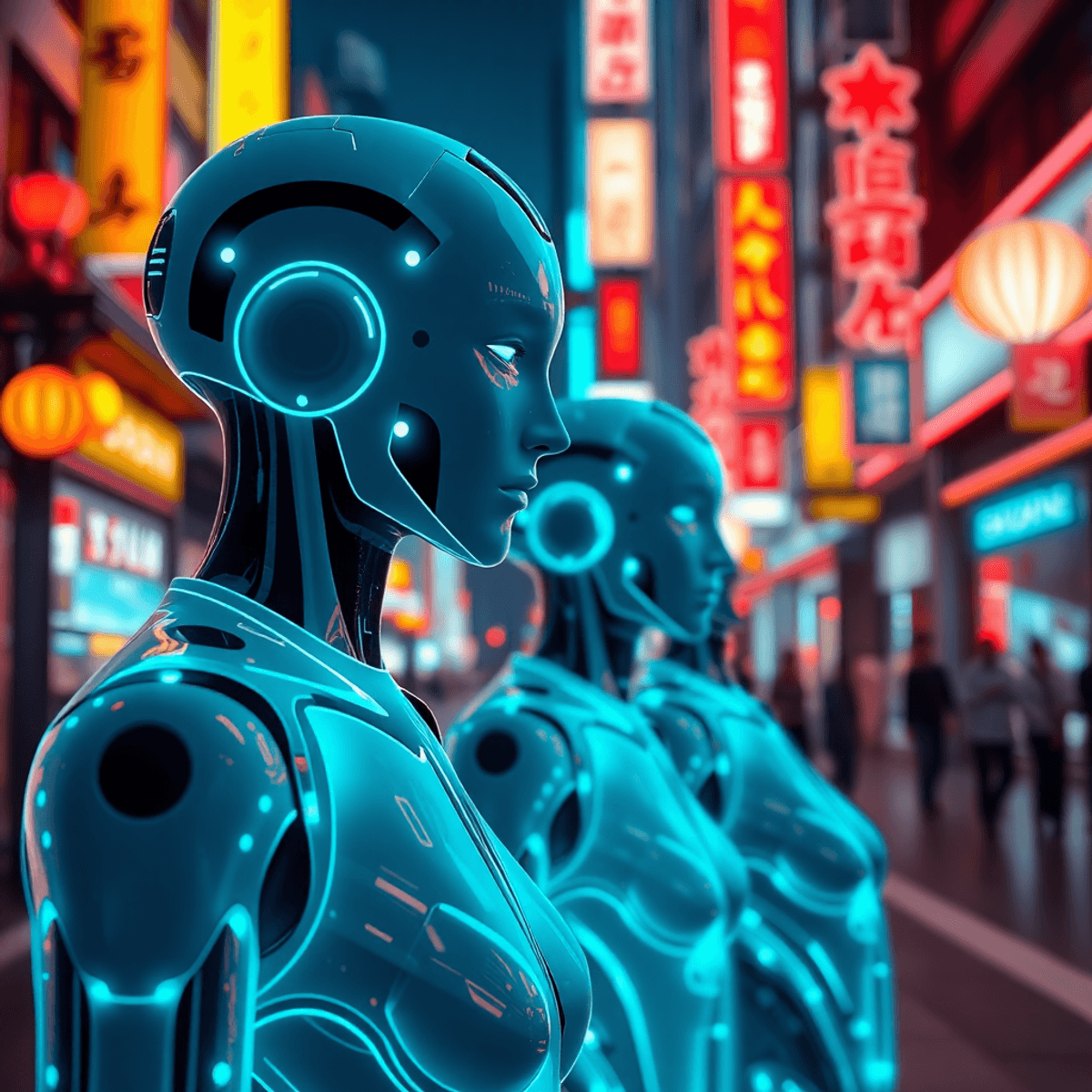
The rise of AI influencers marks a transformative shift in East Asia’s digital economy. Across China, Japan, and South Korea, these virtual personas blend technology with culture to redefine marketing strategies and reshape consumer engagement. Unlike traditional influencers, AI influencers offer unprecedented predictability—an ability to analyze vast data streams and tailor interactions with pinpoint precision.
Understanding how AI influencers impact consumer behavior is crucial for brands aiming to thrive in this dynamic market. East Asia’s sophisticated digital landscape reveals distinct patterns shaped by cultural values, technological adoption, and evolving expectations. The predictability of AI influencers provides insights into these patterns, enabling marketers to anticipate trends and craft more effective, personalized campaigns.
This article explores:
- The definition and rising significance of AI influencers across East Asia
- How consumer behavior shifts under the influence of virtual personas
- Cultural nuances shaping the adoption and effectiveness of AI-driven marketing
- Technological innovations powering AI influencer strategies
- Regulatory environments affecting their deployment
Delving into these areas offers a comprehensive understanding of the forces driving one of the fastest-growing phenomena in global e-commerce and digital marketing.
Moreover, as we embrace this new era of digital marketing powered by AI, it's also essential to consider the role of security in our online endeavors. For instance, mastering CCTV security cameras can significantly enhance the safety of physical locations that businesses operate from, ensuring a secure environment for both employees and customers.
Understanding AI Influencers in East Asia
Artificial intelligence (AI) influencers are changing the game in digital marketing, especially in the ever-evolving markets of East Asia. These virtual personalities, crafted using advanced AI technology and computer graphics, act as brand representatives, content creators, and trendsetters without needing a physical human presence.
What Exactly Are AI Influencers and How Do They Fit into Modern Marketing?
AI influencers are digital characters created to engage with audiences on social media platforms. They embody specific styles, personalities, and values designed to resonate with particular target groups.
Here's what sets them apart:
- Always On: Unlike human influencers who have limitations on their availability, AI influencers operate around the clock. This means they can engage with followers at any time, providing consistent interaction.
- Personalized Communication: Thanks to machine learning and data analysis techniques, AI influencers can tailor their messages based on individual preferences. This level of personalization helps create a stronger connection between the influencer and the audience.
- Beyond Promotion: While traditional influencers primarily focus on promoting products or services, AI influencers go beyond that. They have the power to shape consumer perceptions, tell brand stories, and create immersive experiences that combine entertainment with commerce.
Current Trends in AI-Driven Influencer Marketing Across East Asia
East Asia is leading the way when it comes to integrating AI into influencer marketing:
China: Livestream E-Commerce Powerhouse
China has established itself as a frontrunner in this space by seamlessly incorporating AI influencers into livestream e-commerce platforms like Douyin (the Chinese version of TikTok) and Taobao Live.
Brands are leveraging these virtual personalities to connect with price-sensitive consumers through targeted campaigns that blend entertainment value with immediate purchasing options.
Japan: Emphasizing Precision and Sustainability
In Japan, the integration of AI influencers aligns closely with cultural values such as precision, quality, and ethical transparency.
Platforms like LINE LIVE (a live-streaming service) and YouTube showcase virtual idols who appeal to consumers' affinity for point systems and loyalty programs. Japanese brands often emphasize storytelling around sustainability through these virtual personas.
South Korea: Merging K-Pop Culture with AI Marketing
South Korea is taking an innovative approach by combining its strong cultural exports like K-pop music with AI influencer marketing strategies.
Virtual idols such as Aespa—a group consisting of both real performers and digital avatars—exemplify this trend. South Korean consumers show strong loyalty towards platforms like V Live (a live streaming app) and KakaoTalk (a messaging app), where AI influencers create immersive fan experiences that merge music, gaming, and e-commerce elements.
Notable Examples of Successful Virtual Influencers in East Asia
Several virtual influencers have made significant impacts on the marketing landscape in East Asia:
- Luo Tianyi (China): A vocaloid singer who goes beyond traditional influencer roles by engaging millions through digitally streamed concerts—blurring boundaries between entertainment and advertising.
- Imma (Japan): A CGI model known for her fashion-forward presence on Instagram. Imma’s collaborations with luxury brands highlight Japan’s appetite for blending cutting-edge technology with high culture.
- Rozy (South Korea): One of the earliest virtual influencers in Korea who utilizes augmented reality (AR) technology to interact directly with fans across various social media channels.
These examples demonstrate how brands are embracing new technologies such as CGI modeling or AR integration within their marketing strategies—offering unique experiences that resonate deeply with target audiences.
Platforms Driving Growth in AI Influencer Marketing
Several key platforms play a crucial role in driving growth within this sector:
- Douyin/TikTok: Leveraging artificial intelligence algorithms to personalize user feeds while promoting virtual influencers tailored specifically towards individual interests.
- Weibo: Serving as a central hub for Chinese virtual celebrity culture where discussions around popular figures take place.
- YouTube & Instagram: Preferred channels among Japanese audiences seeking authentic storytelling from their beloved AI-powered idols.
By understanding these trends shaping each country's approach towards implementing artificial intelligence into influencer marketing strategies—brands can better navigate diverse consumer landscapes across East Asia.
In summary, grasping the intricacies behind every nation’s strategy regarding AI influencer marketing unveils how profoundly technology intertwines itself with cultural inclinations—molding not just consumption behaviors but also redefining digital identities throughout East Asia.
Impact of AI Influencers on Consumer Behavior
East Asia is a major player in the APAC e-commerce market, making up 87% of sales in the region and 40% globally as of 2023. This gives brands an opportunity to use AI influencers to connect with more complex consumers. By using AI-driven personalities in their marketing strategies, brands can have more personalized and immediate interactions with customers.
Understanding Consumer Behavior in East Asia
Different countries in East Asia have different consumer preferences that require specific strategies when using AI influencer campaigns:
- China: Chinese consumers are very price-sensitive and look for good deals without sacrificing quality. They are often influenced by livestreaming events where AI influencers demonstrate products in an exciting way. Social commerce, which combines entertainment and shopping, is also popular here and encourages spontaneous buying.
- Japan: Loyalty programs and point systems have a big impact on how Japanese consumers make purchasing decisions. They are motivated by earning rewards through repeat purchases, so it's important for AI influencers to promote exclusive offers or limited-time deals. Japanese shoppers also care about transparency and ethical practices, expecting brands to show their commitment to sustainability alongside product promotion.
- South Korea: South Korean users tend to stick to specific platforms like KakaoTalk and Naver Shopping, which are native apps. The influence of K-pop culture extends to AI influencers who embody these aesthetics, creating strong emotional connections that lead to brand trust and engagement.
The Zalphas Generation: Digital Natives Steering Trends
The Zalphas generation—born from the mid-2000s to early 2010s—are digital natives who have a significant impact on shaping consumer behavior:
- Brands need to be transparent about their products' stories, which can be verified through AI-powered virtual influencers who can simulate openness at scale.
- To enhance engagement, brands should incorporate gamified shopping experiences into their AI influencer campaigns by including interactive elements like quizzes, challenges, or rewards.
- Zalphas heavily rely on platforms such as TikTok, YouTube, and Instagram to quickly discover trends and provide immediate feedback, resulting in faster viral marketing cycles.
Trends in Consumer Engagement with AI Influencers
By combining predictive analytics with AI influencer activities, brands can better understand changing consumer preferences. Machine learning models analyze large amounts of data from social commerce platforms to improve content delivery timing, product recommendations, and promotional strategies tailored for specific audiences in East Asia.
The key impacts of this approach include:
- Higher conversion rates due to personalized messaging driven by data insights.
- Increased customer loyalty through ongoing adaptation of influencer content based on real-time consumer sentiment.
- Greater transparency in marketing practices responding to regulatory scrutiny over data privacy and ethical use of AI-generated content.
"The combination of advanced technology and culturally informed strategies determines how consumers engage with AI influencers in East Asia's vibrant markets."
Brands that invest in understanding these diverse behaviors will have a competitive advantage in the complex but profitable e-commerce ecosystem shaped by artificial intelligence.
Furthermore, as brands navigate this intricate landscape, it is essential for them to also grasp the fundamentals of CCTV security as it plays a crucial role in protecting their operations and sensitive consumer data.
Cultural Influences on the Acceptance of AI Influencers
Culture and technology together play a crucial role in determining how consumers in East Asia accept AI influencers. Cultural differences greatly affect how virtual characters are viewed and welcomed in China, Japan, and South Korea. Each country has its own set of social values that influence preferences for being genuine, predictable, and ethical.
Predictability and Authenticity: Insights from China, Japan, and South Korea
1. China: The Chinese market values predictability in AI influencers—a reflection of traditional preferences for reliability combined with modern desires for consistent engagement. Chinese consumers often expect AI influencers to uphold clear, trustworthy brand narratives. However, a growing awareness of AI-generated content's artificial nature fuels demand for transparency. Navigating this balance is crucial to avoid skepticism.
2. Japan: Japanese consumers exhibit a strong emphasis on authenticity tied to cultural integrity. Despite fascination with technology, there remains cautious scrutiny toward AI influencers. The concept of “omotenashi” (hospitality) translates into expectations that brands demonstrate ethical responsibility and transparent motives—especially concerning sustainability. Ethical transparency greatly influences Japanese consumers' willingness to engage with AI-driven campaigns.
3. South Korea: Here, predictability intertwines with dynamic cultural exports such as K-pop. South Korean consumers tend to accept AI influencers more readily when integrated within familiar entertainment paradigms. The predictable yet evolving personalities of AI idols echo the carefully managed images of K-pop stars, facilitating smoother acceptance.
K-pop Influence and Integration of AI
K-pop is a powerful cultural export shaping South Korea’s approach to integrating AI influencers:
- Virtual idols like Aespa combine human performers with digital avatars, blending reality and AI innovation.
- This hybrid model capitalizes on fans’ emotional investment while pushing boundaries of immersive entertainment.
- Brands leverage this synergy by collaborating with virtual K-pop stars for product endorsements or interactive campaigns.
Such integration leverages existing fan loyalty and cultural pride, embedding AI influencers within a familiar entertainment ecosystem.
Sustainability Concerns and Ethical Transparency in Japan
Japanese consumers prioritize sustainability as a core factor when engaging with brands using AI influencers:
- Rising awareness around environmental impact drives demand for ethically produced content.
- Brands face pressure to disclose how AI technologies align with eco-friendly practices.
- Ethical transparency extends beyond environmental issues to include concerns about data privacy and the authenticity of digital personas.
This cultural backdrop demands that marketers ensure their AI initiatives resonate with Japanese values emphasizing respect, responsibility, and long-term social impact.
Understanding these specific attitudes toward authenticity, predictability, ethical standards, and entertainment trends in each culture provides valuable insights for brands using AI influencers in East Asia. By tailoring strategies to fit these preferences, companies can build consumer trust while honoring the complex social dynamics that influence acceptance in these diverse markets.
Technological Innovations Driving AI Influencer Effectiveness
Technological advancements have become the backbone of AI influencers’ growing impact across East Asia. Cutting-edge tools such as machine learning, data analytics, facial recognition, and deepfake technology empower brands to craft virtual personas that captivate audiences with unprecedented realism and precision.
Machine Learning and Data Analytics in Influencer Predictions
Machine learning algorithms analyze vast datasets from social media interactions, purchase histories, and consumer feedback to predict trends and optimize influencer strategies. Brands employ these predictive analytics to:
- Identify optimal posting times and content formats tailored to specific demographics.
- Personalize messaging by understanding individual preferences and behaviors.
- Forecast product demand fluctuations influenced by AI influencer campaigns.
In China, companies leverage sophisticated machine learning models to tap into tiered city markets, adjusting influencer outreach for urban versus rural consumers. Japan’s data-driven culture embraces meticulous analysis of point system behaviors, allowing AI influencers to suggest rewards-aligned products that appeal most effectively. South Korea integrates data analytics with platform loyalty insights to fine-tune campaigns on dominant social networks like KakaoTalk and Naver.
Facial Recognition & Deepfake Technology Shaping Virtual Personas
Facial recognition technology enhances AI influencers by enabling them to adapt facial expressions dynamically during live streams or interactive sessions, creating an illusion of genuine emotions. Deepfake technology pushes this authenticity further by generating hyper-realistic avatars indistinguishable from human influencers. These technologies contribute to:
- Heightened emotional connection between virtual influencers and followers.
- Versatility in representing diverse appearances aligned with market segments.
- Real-time interaction capabilities that mirror human spontaneity.
For example, Japan's AI influencer Imma uses deepfake tech combined with facial recognition to engage followers through lifelike expressions during product endorsements. South Korean brands incorporate similar techniques in K-pop-inspired AI idols, blending entertainment with marketing seamlessly.
Evolution of AI Algorithms Affecting Influencer Reach and Engagement
The continuous evolution of AI algorithms enables real-time adaptation based on audience feedback, boosting engagement metrics such as likes, shares, comments, and conversions. This adaptability ensures campaigns remain relevant amid shifting consumer interests.
- Algorithms analyze sentiment trends across regions within East Asia, allowing hyper-localized content creation.
- Cross-platform data integration supports synchronized messaging on platforms like TikTok in China or Instagram in Japan.
- Natural language processing (NLP) refines communication styles aligned with regional dialects and cultural nuances.
Cross-Country Comparisons in AI Influencer Strategies
Distinct technological approaches reflect regional priorities:
Country | Key Technological Focus | Strategic Application |
China | Predictive analytics & livestream integration | Tailoring content for tiered cities; social commerce dominance |
Japan | Facial recognition & loyalty program analytics | Enhancing point systems; prioritizing ethical transparency |
South Korea | Deepfake avatars & platform-specific algorithms | Leveraging K-pop culture; maximizing platform loyalty |
This technological diversity underlines how East Asian markets harness innovation tailored to their unique consumer landscapes. Brands adopting these tools gain the ability to not only extend reach but also deepen connections through personalized virtual experiences crafted by evolving AI capabilities.
Government Regulations Affecting AI Influencers
The rise of AI influencers in East Asia has prompted governments to establish regulatory frameworks addressing the unique challenges posed by virtual personalities in marketing. Navigating these regulations is crucial for brands aiming to leverage AI influencers while maintaining compliance and fostering consumer trust.
Regulatory Landscape in China, Japan, and South Korea
China
The Chinese government enforces strict controls on online content and influencer marketing, emphasizing authenticity and transparency. Recent regulations require clear disclosure when content is generated or promoted by AI entities to combat misinformation. The Cyberspace Administration of China (CAC) actively monitors virtual influencer activities to ensure they align with cultural norms and legal standards, including restrictions on endorsements related to health claims or financial products.
Japan
Japan's approach centers on protecting consumer rights with a focus on privacy and ethical considerations. The Act on the Protection of Personal Information (APPI) governs data collection and usage, requiring brands collaborating with AI influencers to handle consumer data responsibly. Additionally, advertising standards mandate clear identification of AI-generated content to prevent deception. Ethical implications are significant due to Japanese consumers' heightened sensitivity toward authenticity and corporate responsibility.
South Korea
South Korea balances innovation encouragement with consumer protection. The Korea Communications Commission (KCC) oversees influencer marketing practices, mandating transparent labeling of sponsored content, including that involving AI influencers. Privacy laws such as the Personal Information Protection Act (PIPA) impose strict guidelines on data usage, reflecting concerns about deepfake technologies and synthetic media that may compromise personal likenesses or identities.
Privacy Concerns and Data Usage Policies
Data privacy remains a pivotal issue shaping consumer perceptions of AI influencers across East Asia. These virtual entities rely heavily on vast datasets—ranging from facial recognition inputs to behavioral analytics—to craft personalized experiences. Consumers increasingly scrutinize how their information is collected, stored, and utilized.
Authenticity & Trust
Issues surrounding the authenticity of AI influencers extend into trustworthiness concerning data handling. Transparency about data policies reassures consumers that their privacy rights are respected, mitigating fears related to surveillance or unauthorized data sharing.
Ethical Implications
Ethical debates arise over consent when using user-generated content or biometric data in creating lifelike virtual personas. Regulatory bodies advocate for clear guidelines ensuring that AI influencers do not infringe upon individual privacy rights or manipulate users through deceptive tactics.
Impact on Brands and Platforms
Popular AI influencers and platforms operating in East Asia must adapt quickly to evolving government mandates:
- Compliance with disclosure requirements prevents reputational damage linked to accusations of misleading advertising.
- Implementation of robust data protection measures aligns with strict national privacy laws.
- Proactive engagement with regulators facilitates smoother market entry and sustained operations.
Brands integrating AI influencers into their marketing strategies navigate a complex matrix of government regulations, balancing innovation opportunities against privacy concerns and ethical obligations. Adherence to these frameworks helps build consumer confidence in AI-driven campaigns while safeguarding both brand integrity and user rights within East Asia’s dynamic digital ecosystem.
Unique Characteristics Shaping the Japanese Market for AI Influencers
Japan has a unique market for AI influencers, influenced by its cultural values and consumer expectations. Unlike China and South Korea, where rapid innovation and pop culture integration drive AI influencer popularity, Japan’s approach is more measured, reflecting a preference for predictability and trustworthiness in digital personas.
Consumer Perception: The Balance Between Novelty and Familiarity
Japanese consumers are cautiously excited about AI influencers. They appreciate technological sophistication but often seek a sense of authenticity that resonates with traditional aesthetics and social norms. This has led to the rise of virtual influencers who embody subtlety, elegance, and consistency rather than flashy or overly animated personalities.
- Emphasis on Predictability: Insights from market research reveal that Japanese users favor AI influencers whose behavior is stable and predictable over time. This contrasts with China’s dynamic livestreaming stars or South Korea’s trend-driven idol-inspired virtual figures.
- Human-Like Interaction: Successful AI influencers in Japan often incorporate nuanced emotional expressions and polite communication styles aligned with local etiquette, increasing consumer comfort levels.
Unique Characteristics of AI Influencers in Japan
The Japanese market has several key features that influence how brands design and use AI influencers:
- Integration with Loyalty Systems: Given Japan’s focus on point accumulation and rewards in shopping experiences, AI influencers frequently act as intermediaries encouraging engagement through gamified loyalty programs.
- Sustainability Messaging: Reflecting broader societal concerns, many virtual personas emphasize ethical consumption and eco-friendly lifestyles, aligning brand narratives with consumer values.
- Cross-Platform Presence: From LINE messaging to native apps, Japanese AI influencers maintain consistent visibility across multiple touchpoints, reinforcing brand recognition in a fragmented digital ecosystem.
Strategic Insights for Brands
Experts suggest that brands looking to use AI influencers in Japan should focus on:
- Building long-term relationships instead of trying to create viral moments.
- Creating personas that combine modern elements with cultural familiarity.
- Using detailed consumer data analytics to tailor interactions while respecting privacy and enhancing personalization.
A comparison with China and South Korea shows Japan’s unique position: while predictability is important here, adaptability within culturally appropriate boundaries is what leads to successful market penetration. Brands that understand these insights can navigate the complex Japanese market effectively, making their AI influencer strategies more impactful.
Challenges and Opportunities in Leveraging K-Pop Culture with AI Influencers from South Korea
The combination of K-pop culture exports and South Korea's advanced AI influencer ecosystem presents a complex landscape for brands looking to take advantage of this synergy. The global popularity of K-pop offers a valuable cultural asset, but authentically integrating it with AI personas requires careful planning.
Challenges in Integration
1. Authenticity Concerns
K-pop fandom thrives on personal connections and perceived authenticity. AI influencers must embody the charisma and relatability that human idols project, or risk alienating discerning fans. Crafting virtual idols that resonate emotionally poses significant creative and technical challenges.
2. Cultural Sensitivities
K-pop is deeply rooted in Korean identity and values. Missteps in cultural representation within AI influencer content can lead to backlash both domestically and internationally. Understanding nuanced fan expectations across diverse markets remains essential.
3. Differences in User Engagement Metrics Among the Three Countries
South Korea’s consumers show strong platform loyalty and engagement metrics differ markedly from Japan’s preference for point systems or China’s price-conscious social commerce behavior. Brands must tailor AI influencer strategies to these unique consumption patterns while maintaining consistency in brand messaging.
Opportunities through Innovative Collaborations
1. Hybrid Virtual-Human Performances
Combining AI influencers with real K-pop stars for concerts, music videos, or fan interactions opens new realms for immersive experiences. These collaborations can deepen fan engagement by blending cutting-edge technology with beloved cultural icons.
2. Customized Content for Diverse Audiences
AI influencers can adapt rapidly to trending topics and localized preferences, creating personalized interactions that mirror K-pop’s dynamic nature. This agility supports targeted campaigns across East Asia’s varied consumer segments.
3. Gamified Social Commerce Experiences
Leveraging South Korea’s affinity for gamification, brands can integrate AI influencers into interactive shopping platforms inspired by K-pop aesthetics, enhancing user participation and loyalty.
“South Korea's unique blend of technological innovation and cultural export power creates fertile ground for pioneering marketing approaches through AI influencers.”
Navigating challenges while exploiting these opportunities demands deep cultural understanding coupled with technological expertise. This delicate balance shapes how brands leverage the fusion of K-pop culture and AI influencers to captivate audiences within South Korea and beyond.
Case Studies: Successful Campaigns Leveraging Different Aspects of AI Influencers Across East Asia
East Asia's AI influencer landscape offers vivid examples of how technology, culture, and consumer insights converge to create impactful marketing campaigns. Each country demonstrates unique approaches that underscore the region's diversity and innovation.
China: Harnessing Livestreaming and AI Personalization
In China, the integration of AI influencers with livestreaming platforms has propelled brands into new realms of engagement. A notable example is Luo Tianyi, a virtual pop star who collaborated with e-commerce giants during Singles’ Day promotions. Her AI-driven persona enabled personalized interactions, guiding consumers through product choices based on real-time data analytics.
Key features:
- Dynamic response to user queries via AI chatbots
- Real-time product demonstrations with interactive features
- Tailored recommendations leveraging machine learning
This campaign capitalized on China's affinity for social commerce and price sensitivity by blending entertainment with precise targeting, resulting in a significant uptick in conversion rates.
Japan: Emphasizing Ethical Transparency and Loyalty Programs
Japanese brands often prioritize trust and sustainability within their marketing narratives. The AI influencer Imma, recognized for her hyper-realistic appearance and ethical brand endorsements, partnered with a major beauty retailer to promote eco-friendly product lines.
Strategies employed:
- Storytelling focused on environmental impact and product provenance
- Integration with existing point-based loyalty systems to reward purchases
- Use of subtle facial recognition tech to adjust expressions matching consumer moods
Consumers responded positively due to Imma’s alignment with cultural values around transparency and quality, reinforcing brand loyalty through immersive experiences.
South Korea: Fusing K-Pop Culture with Virtual Idols
South Korea’s fusion of K-pop aesthetics and AI technology finds expression in virtual idols like Rozy, who commands millions of followers across social platforms. Rozy’s collaborations with fashion labels incorporated gamified shopping experiences where users could unlock exclusive content through engagement metrics.
Innovations included:
- Augmented reality (AR) try-ons integrated with live performances
- Personalized content driven by predictive analytics on fan behavior
- Partnerships blending traditional idol fandom culture with digital interactivity
The campaign effectively tapped into platform loyalty among younger audiences, leveraging cultural exports such as K-pop while maintaining cutting-edge technological appeal.
Comparative Studies and Cross-Cultural Insights
Examining these case studies side-by-side reveals distinct consumer motivators:
Country | Consumer Focus | AI Influencer Approach | Outcome Highlights |
China | Price sensitivity | Interactive livestreams + personalization | Increased sales volume & engagement |
Japan | Ethical transparency | Story-driven campaigns + loyalty integration | Enhanced brand trust & repeat purchases |
South Korea | Platform loyalty & fandom culture | Virtual idols + AR gamification | Strong fanbase growth & platform engagement |
These campaigns illustrate how brands tailor AI influencer strategies not only to technological capabilities but also deeply embedded cultural preferences. The nuanced application of AI personas extends beyond mere novelty; it becomes an essential bridge connecting brands to diverse East Asian consumers in meaningful ways.
Future Outlook: Growth Predictions for Brands Embracing the Evolving Landscape Of AI Influencers In East Asia
East Asia’s AI influencer market is expected to grow rapidly, driven by a combination of advancing technology and deeply rooted cultural factors. Insights from China, Japan, and South Korea reveal distinct paths that brands must follow to take advantage of future trends.
Key predictions include:
1. China
- The integration of AI influencers with livestreaming and e-commerce platforms will deepen.
- Predictive analytics and real-time consumer behavior tracking will allow hyper-personalized marketing campaigns.
- Growth in tiered cities will expand AI influencer reach beyond major urban centers, tapping into emerging middle-class consumers.
2. Japan
- Ethical transparency combined with AI-driven gamification will redefine consumer engagement.
- Point systems integrated with AI influencers will evolve into immersive loyalty ecosystems encouraging sustained brand interaction.
- Japanese consumers’ preference for authenticity suggests brands must balance innovation with cultural respect.
3. South Korea
- K-pop culture’s influence will intensify collaborations between virtual idols and global entertainment brands.
- AI influencers powered by advanced facial recognition and deepfake technologies will offer seamless, emotionally resonant experiences.
- Platform loyalty in South Korea ensures that AI influencers embedded within dominant social apps will maintain strong consumer touchpoints.
The predictability of AI Influencers across these markets depends on continuous technological innovation aligned with region-specific cultural dynamics.
Brands that embrace this changing landscape have the opportunity to create deeper connections with consumers, leading to increased engagement and business success in one of the most digitally advanced regions in the world.
FAQs (Frequently Asked Questions)
What are AI influencers and how are they shaping the digital economy in East Asia?
AI influencers are virtual personas powered by artificial intelligence technologies such as machine learning and deepfake technology. They play a significant role in modern marketing by engaging consumers across platforms, particularly in East Asia's rapidly evolving digital economy, influencing consumer behavior and driving trends in social commerce.
How does consumer behavior differ in China, Japan, and South Korea regarding AI influencer marketing?
Consumer behavior shows distinct patterns across these countries: China exhibits strong price sensitivity; Japan favors point systems and values sustainability and ethical transparency; South Korea demonstrates platform loyalty influenced by cultural exports like K-pop. These differences affect how brands tailor AI influencer strategies to engage effectively with local audiences.
What cultural factors impact the acceptance of AI influencers in East Asia?
Cultural nuances greatly influence AI influencer acceptance. In South Korea, integration with K-pop culture enhances appeal. Japanese consumers emphasize authenticity, sustainability, and ethical considerations. Understanding these cultural influences is crucial for brands to build trust and resonate authentically with consumers across the region.
Which technological innovations drive the effectiveness of AI influencers in East Asia?
Key technological advancements include machine learning algorithms for predictive analytics, facial recognition, and deepfake technology that create realistic virtual personas. These innovations enable enhanced reach, engagement, and personalized consumer interactions, making AI influencers more effective marketing tools across China, Japan, and South Korea.
What government regulations affect the use of AI influencers in China, Japan, and South Korea?
Each country has regulatory frameworks addressing privacy concerns, data usage policies, authenticity, and ethical implications related to AI-generated content. Navigating these regulations is essential for brands to maintain consumer trust and comply with legal standards when incorporating AI influencers into their marketing strategies in East Asia.
What future trends can brands expect when leveraging AI influencers in East Asia?
Brands can anticipate continued growth of AI influencer marketing driven by technological innovation and evolving cultural dynamics. The integration of advanced AI algorithms alongside regional cultural factors will further personalize consumer engagement. Embracing this evolving landscape offers opportunities for innovative collaborations, especially involving popular cultural elements like K-pop.
Comments
Post a Comment