- Get link
- X
- Other Apps
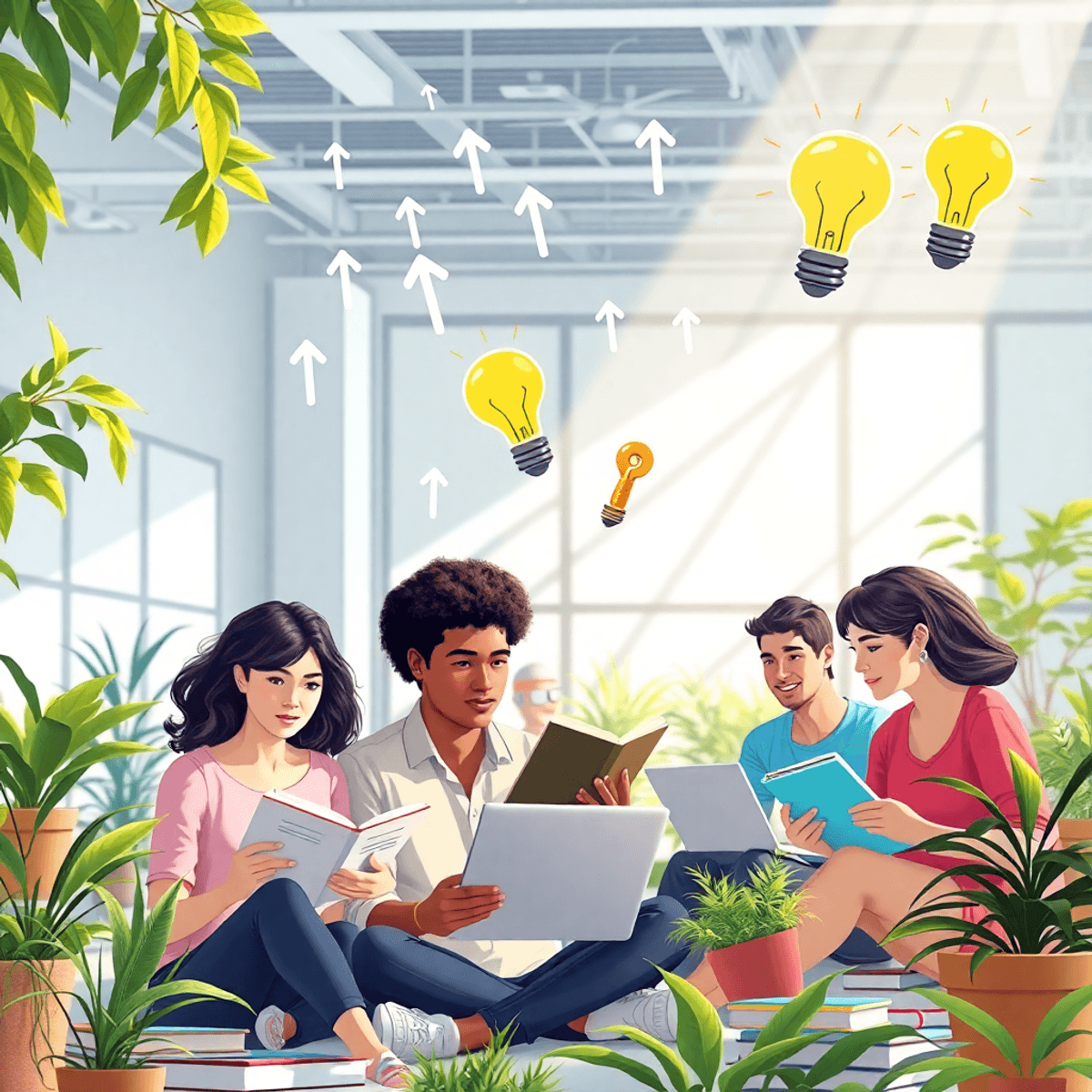
Understanding the meaning of lifelong learner is essential in today's fast-evolving world. Lifelong learning refers to the ongoing, voluntary, and self-motivated pursuit of knowledge for personal or professional development. It goes beyond traditional education, transforming individuals into forever learners who continuously adapt and grow.
Being a lifelong learner means embracing curiosity and actively seeking opportunities to expand your skills and understanding throughout your lifetime. This concept highlights a mindset focused on growth rather than a fixed endpoint.
Why is lifelong learning crucial in the 21st century?
- Rapid technological advancements require constant skill updates.
- The dynamic nature of careers demands adaptability.
- Global challenges call for innovative thinking and problem-solving.
- Personal fulfillment and mental agility depend on continuous intellectual engagement.
"The capacity to learn is a gift; the ability to learn is a skill; the willingness to learn is a choice." — Brian Herbert
Becoming a lifelong learner transforms how you approach work, relationships, and life itself. This proactive stance empowers you to navigate change confidently while unlocking new possibilities for success and satisfaction.
In this era of digital transformation, leveraging quirky ad campaigns can also be an exciting avenue for learning. Such campaigns often go viral due to their unique approach and creativity, providing valuable insights into marketing strategies.
To create such impactful campaigns, it's essential to follow a structured process. A comprehensive step-by-step guide can help streamline this process. Whether you're looking to launch a viral video ad campaign or simply want to enhance your marketing skills, these resources can serve as invaluable tools in your lifelong learning journey.
Understanding Lifelong Learning
Lifelong learning in education extends far beyond the boundaries of formal schooling. It represents an ongoing process where individuals actively seek knowledge and skills throughout their entire lives. This continuous engagement enriches personal experiences and boosts professional capabilities alike.
Key aspects of lifelong learning include:
- Voluntary and self-motivated nature: Unlike mandatory education systems, lifelong learning thrives on intrinsic motivation. Learners choose what, when, and how to learn based on personal interests or career demands, fostering a deeper connection with the material.
- Beyond classrooms: Examples of lifelong learning range from reading books and attending workshops to exploring new hobbies or mastering digital tools like those used in video translation with AI. Informal settings such as community groups or online forums also serve as rich environments for acquiring fresh insights.
- Personal growth: Embracing new knowledge nurtures adaptability and resilience in daily life. It encourages curiosity, broadens perspectives, and cultivates critical thinking skills that benefit mental well-being.
- Professional development: In rapidly evolving industries such as digital marketing, staying current through ongoing learning is essential. Lifelong learning for teachers, for example, involves continuously updating pedagogical strategies to meet diverse student needs and integrate technological advances effectively. Furthermore, professionals in fields like real estate can leverage emotional marketing strategies to enhance their impact.
This concept embodies a dynamic commitment to self-improvement that empowers individuals to navigate change confidently while enhancing both their personal fulfillment and career trajectories. For instance, understanding how real estate marketing experts are adapting to these changes can provide valuable insights for anyone in the field. Similarly, exploring how SERP marketing agencies are producing effective results can further enhance one's professional skill set.
Benefits of Being a Lifelong Learner
Becoming a lifetime learner offers profound advantages that extend across all areas of life. The benefits of lifelong learning stretch from enhancing career advancement prospects to boosting personal growth and mental agility.
Adaptability to Change
In today's fast-paced world, the ability to adapt is crucial. Lifelong learners remain flexible, adjusting swiftly to new technologies, industry shifts, or evolving societal norms. This adaptability stems from actively seeking knowledge and staying curious about emerging trends.
Career Opportunities and Advancement
Continuous education directly impacts career trajectories. Employers value individuals who proactively update their skills and knowledge. Being a life learner means:
- Staying competitive in the job market
- Qualifying for promotions or new roles
- Expanding professional networks through learning communities
Such proactive learning can open doors to opportunities that might otherwise remain inaccessible.
Improved Well-Being
Engagement in ongoing learning nurtures mental health. Stimulating the brain with new information and challenges supports cognitive function, delays age-related decline, and enhances emotional resilience. Additionally, pursuing interests and mastering new skills contributes to a sense of accomplishment and fulfillment.
Fostering Curiosity and Mastery
A defining trait of lifelong learners is their innate curiosity. This drives continuous exploration beyond comfort zones, fostering mastery over time. Whether learning a language, mastering a craft, or delving into complex subjects, curiosity fuels sustained motivation.
"Curiosity is the wick in the candle of learning." – William Arthur Ward
Enhancement of Critical Thinking and Problem-Solving Skills
Lifelong learning sharpens the mind's analytical capacities. Regular exposure to diverse topics encourages questioning assumptions, evaluating evidence critically, and developing innovative solutions. These skills are invaluable across personal decisions and professional challenges alike.
Learning becomes an active process where information is not just absorbed but interrogated and applied creatively.
Engagement with lifelong learning cultivates a mindset equipped for growth and resilience. This mindset proves essential in navigating both anticipated career paths and unexpected life changes with confidence and skill.
Moreover, incorporating video ads into your learning journey can further enhance your adaptability to change by providing you with practical skills that are highly sought after in today's job market.
Characteristics of Lifelong Learners
Lifelong learners exhibit distinct habits and traits that fuel their ongoing quest for knowledge and self-improvement. These characteristics create a framework that supports continuous education beyond formal settings.
Intentional Learning
Lifelong learners approach education with purpose and clarity.
- They set specific learning goals aligned with personal or professional aspirations.
- This intentionality turns random information gathering into meaningful growth.
- For example, someone aiming to master digital marketing might focus on acquiring skills in SEO, content creation, and analytics rather than passively consuming unrelated material.
Reflection on the Learning Process
Regular self-assessment helps lifelong learners understand what methods work best for them.
- They maintain journals or portfolios to track progress and insights.
- Reflection encourages adapting strategies to maximize learning efficiency.
- It also fosters deeper understanding by connecting new knowledge with existing frameworks.
Curiosity-Driven Mindset
Curiosity acts as the engine driving the desire to explore and understand new concepts.
- Lifelong learners ask questions relentlessly: Why? How? What if?
- This mindset leads to diving into unfamiliar fields or challenging assumptions.
- Being curious often means embracing complexity rather than settling for easy answers.
Openness to New Experiences
Embracing diverse perspectives broadens intellectual horizons.
- Openness means willingness to try different learning formats: books, podcasts, workshops, online courses.
- It also involves engaging with people from varied backgrounds to gain fresh insights.
- This quality combats cognitive rigidity and promotes adaptability.
Goal Setting as a Habit
Breaking down learning objectives into achievable steps maintains motivation.
- Clear goals provide direction amidst vast information landscapes.
- Tracking milestones reinforces commitment and celebrates incremental success.
These traits collectively foster an environment where learning becomes an integral part of life. They empower individuals to continuously evolve, adapt, and thrive in rapidly changing contexts. The habits of lifelong learners transform challenges into opportunities for growth, ensuring education is not confined to classrooms but infused within everyday experiences.
Moreover, adopting a polymath mindset can significantly enhance the lifelong learning journey. This mindset encourages individuals to explore multiple disciplines, fostering a richer understanding of the world and unlocking new avenues for personal and professional development.
Practical Checklist: How to Be a Lifelong Learner
1. Cultivate Curiosity and Openness
Becoming a lifelong learner starts with nurturing curiosity in learning and maintaining an open mind. These two qualities fuel the desire to explore beyond familiar boundaries, igniting continuous personal and professional growth.
Encourage Asking Questions
Curiosity thrives when questions are welcomed. Challenge assumptions by asking why, how, and what if. This habit transforms everyday experiences into opportunities for discovery. For example, a scholar researcher and lifelong learner often probes deeply into their field, uncovering insights others might overlook.
Seek New Experiences
Exposure to novel situations broadens understanding and builds adaptability. Whether it's traveling to an unfamiliar place, experimenting with a new hobby, or engaging in conversations outside your usual circle, these experiences cultivate mental flexibility.
Embrace Diverse Perspectives
Open-mindedness means valuing viewpoints different from your own. Engaging with varied cultures, disciplines, or industries enriches knowledge and prevents intellectual stagnation. Participating in a lifelong learners program that includes interdisciplinary discussions can amplify this effect.
Explore Various Knowledge Areas
Avoid limiting learning to a single domain. Cross-pollination of ideas from unrelated fields often sparks innovation and deeper comprehension. Life long learning courses that encourage multidisciplinary study help develop this breadth.
Curiosity paired with openness forms the foundation upon which other lifelong learning habits build. This mindset turns challenges into opportunities and transforms information gathering into meaningful insight acquisition.
2. Set Clear Learning Goals
Setting clear learning goals is essential for any successful lifelong learner. Whether you're taking courses or learning on your own, knowing what you want to achieve will help you stay focused and motivated.
Break Down Your Goals
Short-term objectives are smaller goals that make it easier to reach your larger ambitions. These could be things like finishing a specific module in an online course, reading a book related to your field, or mastering a new skill within weeks. Short-term goals give you quick wins that reinforce your identity as a scholar, researcher, and lifelong learner.
Long-term objectives are broader aspirations tied to personal growth or professional development. Examples include earning a certification, transitioning careers, or becoming an expert in an emerging area. Lifelong learning programs often encourage participants to clearly envision these goals to guide their continuous education journey.
Use SMART Goals
Using SMART goals ensures clarity and measurability:
- Specific: Clearly define what you want to learn or achieve.
- Measurable: Identify indicators that show progress.
- Achievable: Set realistic targets based on your current resources and time.
- Relevant: Align goals with your interests and needs as a lifelong learner.
- Time-bound: Establish deadlines to maintain momentum.
A practical way to apply this is by writing down your goals at the start of each month or semester. Tracking progress regularly helps adjust strategies and celebrate milestones, reinforcing curiosity in learning and open-mindedness throughout the process.
This approach aligns with being a lifelong learner who intentionally directs their educational efforts rather than passively consuming information. Setting clear goals transforms abstract desires into actionable plans that empower continuous self-improvement within any lifelong learners program or independent study path.
3. Create a Personalized Learning Plan
Becoming a lifelong learner requires intentional planning tailored to individual preferences and schedules. Crafting a personalized learning plan turns abstract goals into actionable steps, making it easier to maintain momentum within any lifelong learners program.
Identify Your Preferred Learning Methods
Different people absorb information in diverse ways. Recognizing how you learn best is essential for sustained engagement and effective skill acquisition. Consider these popular approaches:
- Reading: Books, articles, research papers, and blogs offer depth and flexibility.
- Online Courses: Platforms offering life long learning courses provide structured content with interactive elements.
- Workshops and Seminars: Hands-on experiences facilitate immediate application and networking.
- Podcasts and Videos: Ideal for auditory or visual learners who seek convenience.
- Peer Discussions or Study Groups: Promote reflection and diverse viewpoints.
Experiment to find combinations that suit your lifestyle. For example, a scholar researcher and lifelong learner might blend reading academic journals with attending webinars, while another may prefer more interactive formats.
Schedule Regular Time for Study and Skill Development
Consistency fuels progress in any lifelong learners program. Block dedicated time slots in your calendar just as you would for crucial meetings or appointments. This regularity transforms learning into a habit rather than an afterthought.
- Allocate specific hours each day or week based on your availability.
- Balance intensity with realistic expectations to avoid burnout.
- Use tools such as planners, digital calendars, or habit-tracking apps to reinforce commitment.
Incorporate curiosity in learning by setting aside time to explore new topics outside your comfort zone. Open-mindedness thrives when exposure to diverse subjects becomes routine.
"A well-crafted learning plan acts as both roadmap and motivation for anyone striving to be a lifelong learner."
Mapping out preferred methods alongside consistent scheduling creates a foundation where knowledge acquisition is sustainable and enjoyable. This approach empowers you to adapt seamlessly as interests evolve or professional demands shift within your life long learning courses journey.
4. Engage in Formal and Informal Learning Opportunities
Becoming a lifelong learner involves embracing a rich variety of learning experiences that extend beyond traditional classroom settings. Integrating formal education with informal learning creates a dynamic approach to continuous growth, essential for anyone enrolled in a lifelong learners program or pursuing life long learning courses.
Balance Structured Courses with Self-Directed Study
- Formal courses provide structure, expert guidance, and credentials that can support career advancement or personal enrichment. Examples include university classes, certification programs, and online platforms offering specialized training.
- Self-directed study nurtures autonomy and personal interest, allowing a lifelong learner to explore topics driven by curiosity in learning and open-mindedness. This may involve reading books and articles, watching educational videos, or engaging with interactive content at one's own pace.
Both methods complement each other: structured courses offer a framework while self-study fosters adaptability and exploration.
Participate in Workshops, Seminars, Webinars
- Hands-on workshops encourage active participation and skill development through practical exercises.
- Seminars bring together experts and participants to discuss current trends or research findings relevant to diverse fields.
- Webinars provide accessible opportunities for real-time interaction without geographic constraints.
These formats facilitate networking with fellow learners and scholars, supporting the mindset of a scholar researcher and lifelong learner who values shared knowledge.
Leverage Community Resources
Adult education and lifelong learning thrive on community involvement. Public libraries, community centers, local museums, and professional organizations often host events or provide resources aligned with lifelong learning goals. Engaging with these resources:
- Reinforces the social aspect of learning
- Enhances motivation through group activities
- Offers access to mentors or peer groups sharing similar interests
A practical checklist to be a lifelong learner includes actively seeking these opportunities as part of daily routines. Curiosity in learning paired with open-mindedness encourages stepping beyond comfort zones into diverse educational experiences.
Exploring both formal life long learning courses and informal avenues cultivates a holistic approach to education—integral for adapting to the evolving demands of the 21st century.
5. Reflect Regularly on Your Learning Journey
Reflection is a powerful tool for continuous improvement and self-awareness in lifelong learning. A scholar researcher and lifelong learner understands that curiosity in learning is fueled not only by acquiring new information but also by thoughtfully considering how that knowledge integrates with existing skills and goals. Reflection sharpens open-mindedness, helping to identify biases or gaps in understanding.
Maintaining a learning journal or portfolio provides a structured way to document experiences, insights, and challenges encountered during life long learning courses or a lifelong learners program. This habit allows you to track progress over time, recognize patterns of success, and pinpoint areas requiring adjustment. Such records transform abstract experiences into concrete lessons.
Key practices for effective reflection include:
- Regularly reviewing notes from readings, seminars, or workshops to distill key takeaways.
- Comparing different learning methods used—such as online courses versus hands-on projects—to determine which yields the best retention and engagement.
- Assessing emotional responses to challenges faced during learning, fostering resilience and adaptability.
- Setting aside time weekly or monthly dedicated exclusively to reflection ensures that the process becomes an integral part of your routine.
Reflection encourages lifelong learners to adapt strategies instead of rigidly following ineffective routines. For example, if self-directed study proves less motivating than group sessions, adjusting plans accordingly keeps motivation high. Being a lifelong learner means acknowledging that the path to mastery involves trial, error, and course correction.
Developing this reflective mindset reinforces curiosity in learning while nurturing open-mindedness by welcoming feedback—both internal and external—as valuable input rather than criticism. The act of reflection transforms passive absorption into active comprehension and growth.
Incorporate these habits consistently within your personalized learning plan to deepen understanding and maintain momentum throughout your educational journey. This practice will empower you to evolve dynamically as a lifelong learner committed to ongoing development in both personal and professional realms.
6. Stay Updated with Industry Trends and New Developments
Being a lifelong learner means committing to staying current with developments in your field and beyond. This commitment fuels curiosity in learning and cultivates open-mindedness—two essential traits that distinguish a scholar researcher and lifelong learner from others. To be a lifelong learner, integrating this habit into your routine is crucial.
Practical steps to keep up-to-date include:
- Subscribe to Relevant Publications: Choose newsletters, journals, magazines, and blogs that focus on your industry or areas of interest. For example, if you're involved in technology, sources like Wired, TechCrunch, or specialized academic journals can provide cutting-edge insights. Subscriptions can be digital or print-based depending on your preference.
- Attend Conferences and Professional Events: Conferences, webinars, workshops, and seminars offer opportunities not only to learn about new trends but also to engage directly with experts and peers. These events often present breakthroughs before they reach mainstream channels, giving you an edge as a lifelong learners program participant.
- Leverage Online Platforms Offering Life Long Learning Courses: Platforms such as Coursera, Udemy, or LinkedIn Learning frequently update their course catalogs to reflect the latest industry standards and innovations. Enrolling in these courses enables you to learn flexibly while maintaining a strong connection with evolving knowledge.
- Follow Thought Leaders and Influencers: Social media channels like Twitter, LinkedIn, or specialized forums allow you to follow innovators who shape your field. Their shared content often includes commentary on emerging trends that formal publications might not cover immediately.
- Engage with Professional Associations: Joining professional bodies provides access to exclusive resources like white papers, policy updates, and networking events tailored for members invested in continuous growth.
This checklist item highlights how being proactive about information consumption directly supports becoming a lifelong learner. It aligns with cultivating curiosity in learning by encouraging exploration beyond immediate needs and embracing diverse perspectives.
Applying these strategies consistently transforms passive knowledge acquisition into an active process, reinforcing your role not just as a recipient of information but as an engaged participant in your personal and professional evolution.
7. Build a Supportive Learning Network
Becoming a lifelong learner involves more than individual effort; it thrives within a community that nurtures curiosity in learning and open-mindedness. Building a supportive learning network creates an environment where motivation flourishes and knowledge exchange becomes natural.
Key components of a strong learning network:
- Connect with mentors: Seek guidance from experienced scholar researchers and lifelong learners who can provide insights, feedback, and encouragement. Mentors often help navigate complex topics and suggest resources tailored to your goals.
- Engage with fellow learners: Join study groups or participate in online forums dedicated to life long learning courses or specific fields of interest. These communities foster discussion, challenge assumptions, and keep enthusiasm alive.
- Participate in lifelong learners programs: Many institutions and organizations offer programs designed to cultivate skills and knowledge continuously. Enrolling in such programs not only expands expertise but also introduces you to like-minded individuals passionate about self-improvement.
- Leverage social platforms: Use social media groups, professional networks like LinkedIn, or specialized platforms for scholars and professionals to share articles, experiences, and opportunities for growth.
- Attend meetups and workshops: Physical or virtual events provide valuable chances to interact directly with peers, exchange ideas, and stay connected with evolving industry standards.
"The power of a learning community lies in its ability to sustain curiosity in learning while embracing diverse viewpoints."
Building a supportive network reinforces the checklist’s practical steps by embedding your journey as a lifelong learner within a dynamic ecosystem. This approach transforms solitary efforts into collaborative progress—fueling continuous development through shared experiences.
Lifelong Learning for Teachers
Teachers are lifelong learners by necessity, given the changing nature of education and student needs. Engaging in continuous professional development helps educators stay current with teaching strategies, technology integration, and curriculum changes. This approach enhances their ability to create dynamic learning environments.
Key elements of lifelong learning for teachers include:
- Ongoing Professional Development: Participating in workshops, seminars, and certification courses tailored to educational trends and methodologies.
- Reflective Practice: Regularly evaluating teaching methods and student outcomes to identify areas for improvement.
- Collaborative Learning: Engaging with peers through professional learning communities or mentoring relationships to exchange insights and best practices.
- Incorporating Technology: Adapting to new digital tools that facilitate interactive and personalized instruction.
- Research Engagement: Keeping up with academic research in education to inform evidence-based teaching.
Teachers who embrace lifelong learning cultivate adaptability, deepen their expertise, and contribute positively to student success. Their commitment serves as a model encouraging students to adopt similar attitudes toward learning beyond the classroom.
Lifelong Learning in Adult Education
Adult education is a crucial part of lifelong learning for those who are not involved in the traditional academic system. Unlike formal schooling, adult education programs are designed specifically to meet the needs and experiences of adults who are returning to learning. This could be for reasons such as advancing their careers, enriching their personal lives, or adjusting to new situations in life.
Key aspects of lifelong learning in adult education include:
- Flexibility in Learning Formats: Adult learner courses often provide diverse modalities—online classes, evening workshops, weekend seminars—allowing learners to balance education with work and family commitments. This flexibility supports continuous engagement without overwhelming schedules.
- Focus on Practical and Relevant Skills: Programs emphasize applicable knowledge that addresses current job market demands or personal development goals. This relevance boosts motivation among lifelong learners who seek immediate benefits from their educational investments.
- Recognition of Prior Experience: Many adult education frameworks acknowledge and credit prior work experience or informal learning. This recognition validates existing skills and encourages further learning by building on a solid foundation.
- Professional Development for Educators: Lifelong learning for teachers within adult education contexts is crucial. Professional development educators continuously update their methods and content to meet evolving learner needs. This cycle of educator growth enhances the quality of instruction and supports adult learners effectively.
- Community and Peer Support: Adult education environments foster collaboration among learners who often share similar life challenges. Peer interaction enriches understanding through diverse perspectives while creating accountability networks that sustain long-term learning habits.
Examples of successful ongoing adult learner courses include language acquisition workshops for immigrants, digital literacy training for older adults, and leadership development seminars tailored to mid-career professionals. These programs exemplify how lifelong learners leverage structured opportunities to maintain relevance in a rapidly changing world.
Embracing lifelong learning within adult education strengthens individuals’ capacity to navigate career shifts, technological advances, and personal transformations. The synergy between motivated learners and adaptive educational offerings propels continuous growth beyond conventional schooling years.
Overcoming Common Barriers to Lifelong Learning
Lifelong learners often encounter obstacles that can hinder their progress or diminish motivation. Recognizing and addressing these challenges is essential to maintain momentum and sustain continuous growth.
Challenges in Lifelong Learning
1. Time Constraints
Balancing work, family, and personal responsibilities leaves limited time for learning activities. Prioritizing learning within a packed schedule requires deliberate planning and setting boundaries.
2. Information Overload
The abundance of available resources can overwhelm learners, making it difficult to identify credible sources or focus on relevant material. Developing selective filtering skills helps manage this influx effectively.
3. Lack of Motivation or Confidence
Doubts about one’s ability to learn new skills or fear of failure may discourage engagement. Building small wins through achievable goals reinforces confidence and sustains enthusiasm.
4. Financial Barriers
Costly courses, workshops, or materials pose challenges for many lifelong learners. Exploring free resources, scholarships, open educational platforms, or community programs can alleviate financial burdens.
5. Limited Access to Technology or Resources
Not everyone has equal access to the digital tools necessary for online learning. Seeking alternatives such as community libraries, public internet access points, or offline materials broadens opportunities.
6. Resistance to Change
Habitual comfort zones can restrict willingness to adopt new knowledge or perspectives. Embracing a mindset that views change as an opportunity rather than a threat fuels adaptability.
Strategies to Navigate These Challenges
1. Prioritize and Schedule Learning Time
Treat learning sessions as fixed appointments. Even short, consistent periods enhance retention and keep skills sharp amidst busy routines.
2. Curate Quality Content
Select trusted sources aligned with specific goals. Subscribing to curated newsletters or recommendations from experts reduces noise and increases relevance.
3. Set Incremental Milestones
Break down larger objectives into manageable tasks. Celebrating minor achievements builds momentum and nurtures positive reinforcement loops.
4. Leverage Community Support
Engage with peers facing similar barriers through study groups or forums. Shared experiences provide emotional encouragement and practical tips for overcoming difficulties.
5. Adopt Flexible Learning Formats
Experiment with podcasts, audiobooks, microlearning modules, or hands-on projects that fit various contexts and schedules without compromising depth.
Challenges do not define lifelong learners; the approaches they choose determine how they grow despite obstacles.
Conclusion
Lifelong learners are always looking for ways to grow and adapt. They see challenges as opportunities to learn and make education a part of their everyday lives. This mindset helps them bounce back from change and understand the world better.
Here's what lifelong learners do:
- Stay proactive: They actively seek out new knowledge and skills.
- Learn everywhere: They understand that education goes beyond formal settings and includes every interaction and experience.
- Reflect on progress: They regularly think about their learning journey to improve their strategies.
- Connect with others: They build relationships with like-minded individuals to boost motivation and gain different perspectives.
This ongoing process empowers individuals to succeed both personally and professionally, fostering innovation and critical thinking. By incorporating these principles into their daily routines, lifelong learners open doors to long-term success and fulfillment.
FAQs (Frequently Asked Questions)
What is the meaning of lifelong learning and being a lifelong learner?
Lifelong learning refers to the continuous, voluntary, and self-motivated pursuit of knowledge for personal or professional development. Being a lifelong learner means embracing this ongoing education throughout life beyond formal schooling.
Why is continuous education important in the 21st century?
Continuous education is vital in the 21st century due to rapid technological advancements and evolving career landscapes. It helps individuals adapt to change, seize career opportunities, foster mental agility, and maintain relevance in their fields.
What are some key benefits of being a lifelong learner?
Key benefits include enhanced adaptability to change, career advancement opportunities, improved well-being, strengthened critical thinking and problem-solving skills, and fostering curiosity and mastery in various domains.
What characteristics define effective lifelong learners?
Effective lifelong learners exhibit traits such as intentional learning habits, a curiosity-driven mindset, openness to new experiences, goal setting, and regular reflection on their learning processes to support ongoing self-improvement.
How can I start my journey as a lifelong learner?
Begin by cultivating curiosity and openness to new experiences, setting clear short-term and long-term SMART learning goals, creating a personalized learning plan that suits your preferred methods, engaging in both formal and informal learning opportunities, reflecting regularly on your progress, and staying updated with industry trends.
What practical steps can help maintain lifelong learning habits?
Practical steps include scheduling regular study time, participating in workshops and webinars, maintaining a learning journal or portfolio for reflection, subscribing to relevant publications, attending professional events or conferences, and continuously adapting your strategies based on what works best for you.
Comments
Post a Comment