- Get link
- X
- Other Apps
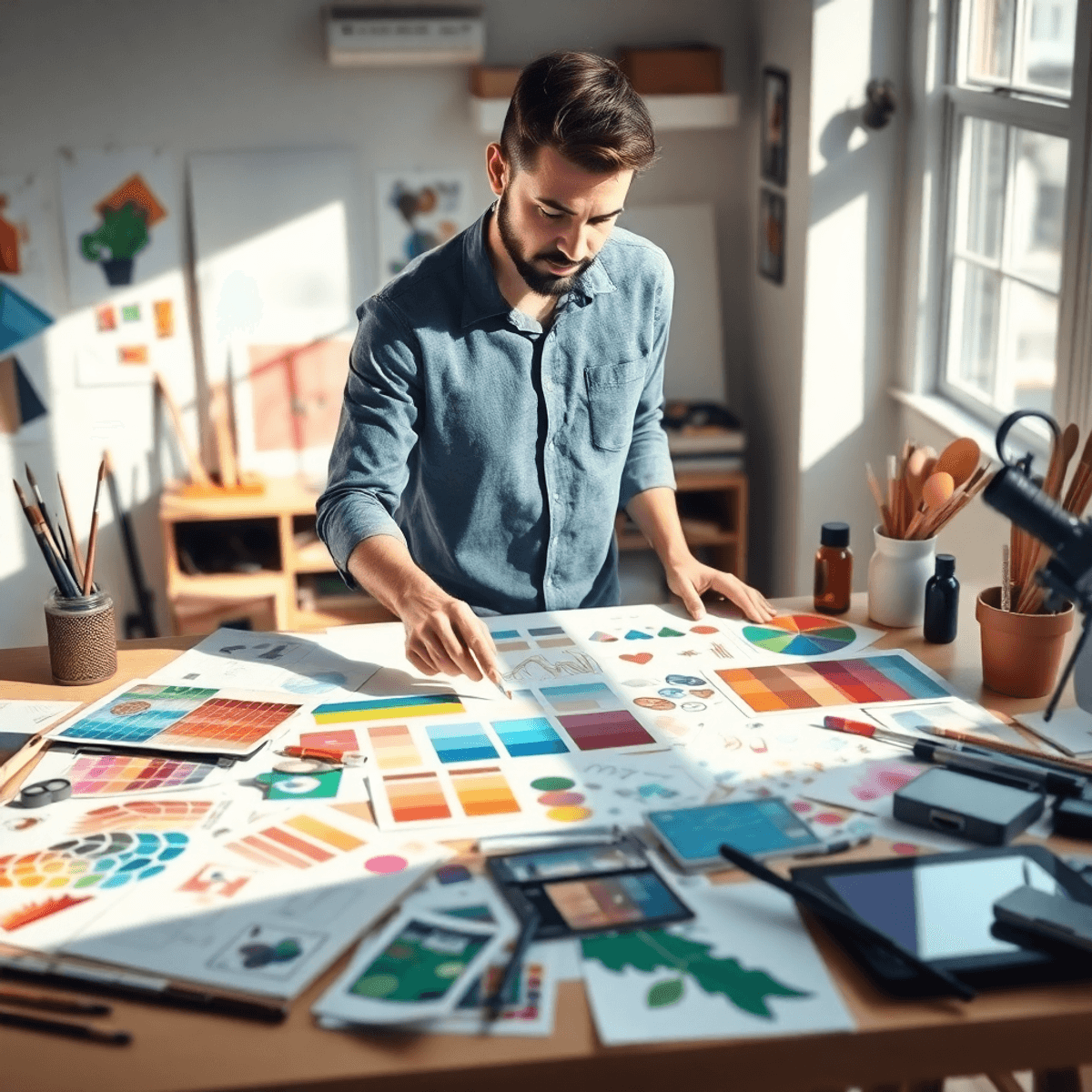
Art direction for advertising is key in making ads feel strong and reach people. It helps make things look good and feel right to the viewers. This is an important part of getting people to notice what you offer. A good approach can also help a brand do well.
This article looks at the career path of an art director. It talks about how someone starts as a junior art director when they are new in the work field. It also covers how they can work up to become a senior art director who leads new projects and teams.
Readers will find out how advertising art direction uses things like pictures, color, text styles, and layout. All these help create strong stories. These parts are important because they turn ideas into brand moments that people remember.
The job of an art director is more than making things look nice. They need to make smart choices to stay true to the brand's values and goals. Art directors make sure that every creative idea fits well with the plan for the brand and works toward what the team wants to do.
Whether it's planning fun visuals for a rooftop bar commercial or setting up the look for photo shoots, these professionals use their creativity to tell stories that feel real to people.
In this article, we will explore:
Why art direction matters in advertising
The skills you need to do well as an advertising art director
How art directors move forward in their careers
How influencers affect brand stories and help get people involved
Why it is good to change plans to include influencer marketing
When people understand these things, they can find their way in their careers in advertising art direction. They can also keep up with new trends in the industry and with things like AI being used more.
1. The Fundamentals of Art Direction in Advertising

In advertising art direction, the job is about more than just making things look nice. You need to think about how pictures and designs help tell a story and make people feel something. You also have to help a brand stand out in a busy market. A junior art director usually starts by helping with ideas, making mood boards, and looking up pictures with guidance from more experienced workers. As a person moves up to be a senior art director, they begin to guide creative teams. They also talk with clients and make big decisions to make sure the art matches business plans.
The Difference Between Art Directors and Graphic Designers
Knowing the difference between an art director and a graphic designer is very important in advertising. Both have a good feel for design, but what they do is not the same:
A graphic designer does a set of design jobs like making a layout, changing text styles, or touching up images. These jobs are done by following set rules.
The art director makes those main rules and brings together different creative parts—like photos, writing, and online media—into one smooth campaign.
Graphic designers work more on the skill side and stay within set rules. Art directors need to mix style with leading a team and planning on many projects at once.
Essential Skills for Art Directors
Learning key hard skills helps in this leadership job.
You need to be good at using design software like Adobe Creative Suite (Photoshop, Illustrator, InDesign). This helps you turn ideas into real pictures.
If you know new tools like Figma or Sketch, it also helps you work better with the creative team.
Besides being able to use the tools, it is important to understand brand strategy. You need to read what the client wants and make pictures that show the brand in the same way while also making something new and strong.
Soft skills help an art director go from only being a good designer to a strong creative leader:
Good communication helps copywriters, photographers, illustrators, and clients share their ideas in a clear way.
Leadership skills help guide junior team members and those who work outside the team. They help give helpful feedback and push everyone toward the same goals.
Managing your time well and being able to change plans make sure you meet deadlines. You still keep quality high, even if the project goals change or things get changed at the end.
The Scope of Art Direction
Art direction covers different things. It is used in many forms like:
Art direction movies: where people tell stories with film by using shots, light, and scenes that work with the feel of a brand
Art direction photography: focusing on styling photos that show what a product or message is about
Managing roles like art direction assistant, who helps with all these things by planning and getting what is needed, working in the background
Working together is very important for an art director and graphic designer. Each person brings their own skills. This helps make advertising campaigns that stand out. If you know the basics, it will help you move ahead as you work as a creative leader. This is true when you start out and as you grow into bigger jobs in advertising art direction.
As we go deeper into this field, it's important to see how digital platforms are now guiding advertising plans. More people are following video influencers, and this has changed the way brands talk about their messages. In the same way, platforms like TikTok have changed influencer marketing, because TikTok influencers can now reach many people in an easy way.
2. The Creative Process: From Brief to Execution

The journey of art direction in advertising starts when you read and understand the creative brief. This important paper will guide every choice you make about the look of the work. For art directors, it is not only about taking clear instructions. You also need to look for the brand’s feel and what the campaign wants to do.
Using an art direction brief template can make the job easier. A template breaks the work into steps. It has things like sections for pictures, mood ideas, color choices, and words about style. It also separates what you must do and what you can change. These tools help you to keep things clear and you stay on track from the start to the end of the project.
Interpreting the Brief
Understanding text is only the start. You need to think deeply to find out what the client wants. After that, you work to turn their ideas into visuals that grab people's attention. Art directors often lead group talks to throw around ideas. They look at every detail of the brief, so everyone knows the goal before work begins.
Collaborating with Copywriters
This first step helps set how the team will work with copywriters. A copywriter and an art director need to work well together to create strong messages. When these two people join to do the work, they mix words with pictures. This gives us ads and other work that feel real to people and tell a clear story.
Dialogue and Feedback
In practice, this work together needs constant talks and feedback from both sides. An art director may show early ideas with the copywriters’ headline ideas. This helps to see how both parts fit. This back-and-forth helps new ideas grow. It also makes sure pictures and words do not take away from each other, but work well together.
Developing Concepts
Developing first ideas means putting together mood boards
—these are groups of pictures, textures, colors, and text styles. They help show the feel and mood you want for the campaign. Mood boards help people see what you have in mind, and they work as guides when talking with your clients. They give everyone something real to look at instead of just sharing thoughts.
Along with mood boards, setting clear visual territories helps show the style choices that you can look at. This is done without letting go of the brand's tone or the things you want to get from the work.
Balancing Creativity with Strategy
A key part of this stage is to balance your creative side with smart planning. For example, when art directing a photoshoot, the art director has to make sure lighting, props, models, and the whole look all match the vision of what they want. You also have to keep an eye on the budget and time.
This means you need to plan ahead with careful lists, and you should be ready to make quick choices while working on set.
Pathway to Becoming a Creative Director
Emerging professionals who want to move up in their career may ask, what is the way forward? Creative director how to become means you need to learn these basic steps and at the same time, develop skills to lead groups from different fields. You get good at this by handling briefs from the start until you finish the job. This helps you become sharper in art and also learn project management, which you will need for top jobs.
These steps help shape how we make good ads. We start by looking at briefs using templates. Then, art directors and copywriters work together as a team. Next, ideas are turned into pictures and designs. All these parts help ads stand out from others today.
3. Visual Storytelling in Advertising

Visual storytelling in ads is very important for building a strong emotional bond between a brand and the people it wants to reach. Art direction in ads is not just about adding pictures for decoration. It is about using pictures in a smart way to show what the brand stands for, make people feel something, and shape what people think about the brand. When art directors pick colors, arrange things in a certain way, and use signs or symbols, they help tell a story. This story can be stronger than words. This is how ad campaigns can stand out and stay with people for a long time.
The Importance of Visuals in Brand Messaging
Pictures have a big part in shaping what a brand says on different places online, especially on social media. People look at things fast there, so the message has to be clear and quick. Every part of these pictures has to fit together. This helps to tell the story fast and in a good way. It also gets the message across while making people notice it in busy online spaces.
Iconic Ad Campaigns That Showcase Visual Storytelling
Here are some well-known ad campaigns that show how art direction in ads can use strong pictures and stories:
Apple’s “Think Different” campaign: This campaign showed simple black-and-white photos of well-known people and used very few words. The calm feel of these images made the message of new ideas and being yourself very clear, without making it hard for people to watch.
Nike’s “Just Do It” series: Nike often shows action photos and bright colors in its ads. These pictures and colors show energy and push people to go forward and try. The look fits well with what Nike stands for. They make people feel they can reach for more and feel real and hopeful at the same time.
Absolut Vodka’s bottle-shaped cityscapes: Absolut Vodka took normal city scenes and made them look like their bottle. This smart idea shows how a brand can put its product in a lot of different spots so the bottle is easy for people to remember.
Key Principles for Art Directors Using Visual Storytelling
These campaigns give good lessons for art directors. If you want to use storytelling with images in ads, you can learn a lot from them.
Making images that go with the brand’s main message and help people feel something about it.
Using the same look and feel in pictures to help the message stay the same on all channels.
Mixing new ideas with clear talk so the story is easy for people to get and still keeps their attention.
Applying Visual Storytelling Techniques in Social Media Ads
In social media ad art direction, you need to make visuals that work well when people scroll fast. These need to stand out, but not lose any feel or detail. You can use bright color contrasts, simple layouts, and people that feel real. This can help more people to like, share, and get into the ad.
Good advertising art direction changes a simple picture into a story. This grabs people's attention. It also helps them feel something or see themselves with what you show. When you learn this skill, your work stands out. It will make your ads stick in people's minds. This is because you make people feel something, not just see something.
4. Current Trends in Art Direction for Ads

Art direction in advertising is changing fast. This change is because people now want new things, and because of new technology and culture shifts. Some big trends leading the way are minimalism, maximalism, and retro revival ads. Each trend gives a new way for people to grab attention and share their brand stories.
Minimalism: Less is More
Minimalism in advertising is about keeping things simple. It uses clean lines and makes sure there is not too much color. The main idea is to take away anything extra. This helps show only the things that matter so people get the brand message. This style works really well online. This is because people need to get the message fast.
Brands that want to use minimalism often use negative space in a smart way. They mix simple text with strong pictures. This makes a quick and strong impression but does not feel like too much for people looking at it. The reason people like this is not just because it looks good. It also helps people see things more clearly when there is so much information, especially on social media.
Maximalism: Embracing Abundance
Unlike minimalism, which is simple, maximalism is all about having a lot. There are strong colors, bold patterns, many textures, and every part of the picture or screen has something going on. This style makes people feel more involved because it gives a rich feel to the eyes and mind. It helps spark curiosity and connects with people’s feelings.
Maximalist ads use old memories and fun in the content. This makes them good for campaigns that want to reach young people. These young people want to show who they are and feel bold. They also want things to feel real.
Retro Revival Ads: Nostalgia with a Twist
Retro revival ads use memories from the past. They bring back old design styles like the 70s’ fun colors, the 80s’ bright lights, and the 90s’ grunge style. These ads make people feel nostalgic, but they also feel new because of modern techniques or fresh messages.
Retro elements can be things like old letter styles, faded color looks, or old-school effects such as film grain. Today, people want to feel a bond with the brands they buy from. The retro trend can be a good way for brands to bring different age groups together and help people feel more loyal to their brand.
The Influence of Social Media on Art Direction
Social media ad art direction plays a big role in the way we see these trends now. Platforms like Instagram, TikTok, and Pinterest shape today's ads. They do this by loving bold and eye-catching content that looks good on phones and that people can share fast.
Art directors have to adjust pictures or videos so they work for each platform. This might mean using up and down videos or posts you can swipe through. At the same time, they need to make sure the brand story stays the same feel for all the places where it shows up. The way people react matters a lot. They might use bright colors or a simple look, depending on what works best for the people they want to reach on each site.
The Impact of Influencer Culture on Art Direction
Influencer culture is on the rise. This change also shapes the way brands work with creators in art direction. A brand and a creator often work as one now. The styles they bring mix well with trends you see a lot, like a simple look or styles that come back from the past. People now want ads that feel real. If an ad seems like true, natural social media content, it does better than ads that feel stiff or too perfect.
The Role of Technology in Shaping Art Direction
Technical advances now help people try new things—like augmented reality filters or tools you can use, letting art directors do more than just show still pictures. They can make experiences that pull users in, in special ways, on social media.
Balancing Innovation with Brand Consistency
It can be hard to follow new trends and keep your brand the same. A good art director will check what look or style fits the goals of the team or product. They will also think about how changes in social media can shape what people feel about the brand and how they connect with it.
This way of changing things helps keep visual storytelling new, but it also makes sure it stays focused on the main goal in all advertising work.
Understanding the Customer Journey
To really handle these changes well, it is important to understand the customer journey during a social media campaign. When you know the steps that people take, brands can change their art direction at each part—like awareness or when people are thinking about buying. This also means they change how things look or feel to help people feel the right way at the right time. A good plan can make your audience feel connected with your brand at every step.
5. Building a Cohesive Visual Identity as an Art Director

One of the main jobs of an art director is to make a strong and steady look for a brand. This job is not just about picking nice pictures or using colors that are popular. It is about making sure every part that people see matches with what the brand stands for and what it wants to say.
The Role of an Art Director
The role of a fashion art director is more than just picking out looks. He or she helps create a message that ties together clothing lines and all the ads for them. This shows how having things always look the same can help people know and feel good about your brand.
The Importance of a Brand Style Guide
A brand style guide is there to help teams stay on the same page. It shows how the logo should be used, what kinds of photos should go in, and covers other key details. This keeps everything looking the same in all the ads people see.
Creating a style guide takes a lot of care. This tool is important when many people work together on something, like a new ad. It helps art directors and copywriters stay on the same page. They can then work well together with less confusion.
The Benefits of Collaboration
The way an art director and copywriter work together gets much better when they follow these rules. These rules help to make things clear for both the look and feel. This helps the story flow well.
The Significance of Color Palettes in Advertising
Choosing color palettes in advertising is another key part of building identity. Colors make people feel a certain way. Colors can also change how people act. So, picking the right colors is important to show what the brand is about and to connect with people you want to reach.
Knowing color theory and doing market research helps you pick colors that make people remember your brand. It also helps get more people to take action when they see your message on different media platforms.
The Impact of Typography Styles
Font styles help to make things look good together. The text you pick should show what the brand is all about. It can be classy, fun, strong, or simple. The words also need to be easy to read on things like billboards and phone screens.
Carefully choosing typefaces to go with images helps to make a balance in your design. This way, you can share your message in a clear way without making people feel there is too much to take in.
The Process of Imagery Selection
Imagery selection is about picking photos, drawings, or graphic pieces that show the brand’s feel and what it wants to say.
An art director who knows how to get good at matching pictures with clear goals makes sure that every image picked helps the main plan. This way, images will not feel out of place or mixed up.
Putting It All Together
In practice:
Create a clear style guide at the start of planning your campaign.
Set simple rules for where your logo goes, how much space is around it, and its size.
Pick colors that fit how people feel and what matters to their culture.
Pick text styles that match your brand feel, and are also easy to read.
Work with copywriters at every step to keep your voice and images on track.
Keep your rules fresh and make changes when there are new trends, but keep your main style strong.
These steps help to build campaigns where every touchpoint—from digital ads to print materials—feels like part of one unified experience, not just different actions. Learning these things helps people who want to become an art director. It lets them guide brands in tough markets with clear ideas and good style.
6. Tools & Techniques for Art Directors: Essential Software for Design and Collaboration
Art direction in advertising uses different tools that help with new ideas and make working with others easy. Here are some software tools that every art director should look at:
Adobe Creative Suite
The Adobe Creative Suite is still a top choice for many art directors. It has the main tools like Photoshop, Illustrator, and InDesign that people in the industry use most.
Photoshop: Many know Photoshop for its strong photo editing features. Art directors use it to fix images and make designs that catch the eye.
Illustrator: Illustrator has tools that help you make logos and shapes that stay sharp at any size. It is important when you need something bold for your brand.
InDesign: This app is great for putting together things you print, like brochures or ads in a magazine. It helps your text look neat and makes sure everything on your page is in the right place.
These programs give you strong tools to make detailed pictures, change images just how you want, and set up designs that keep the brand look the same in all campaigns.
Figma
Besides the Adobe Creative Suite, Figma is now popular with art directors. This is because the tool works in the cloud. It lets people work together right away.
Figma is a great tool for teams who want to make and test designs. People like copywriters, designers, and clients can all look at and comment on the same idea at the same time. You do not have to worry about getting mixed up with different files. The way everyone can talk and change ideas right away helps a lot. This is really important when you work on things like what the user sees on an app or how ads look on a phone or a computer.
Many freelance art directors like to use Figma. It helps the creative ideas come together with the people who need to see and share the work.
Prototyping and Mockups
Making prototypes and drafts is important to help share ideas before you move to making the final product. It helps everyone know what things will look like and how they will work. Here are some main points about good prototyping:
Showing how users move through a story or step-by-step process in digital ads
Showing different color options and text styles in the right setting
Trying out different layouts under changing needs, like screen size or print edge
Best practice is to find a good balance between detailed prototypes and simple wireframes. Detailed prototypes can show a finished look but can slow the feedback process if you finish them too soon. Simple wireframes make it easy to change things and talk about ideas, but they might not be clear to people who do not know much about design.
Project Management Tools
Freelance art directors often use project management platforms like Trello or Asana together with file-sharing tools like Dropbox or Google Drive.
These platforms help keep all creative work in one place. You can find what you need fast. It is easy to know when things are due and see who gave feedback. Apps like Slack help you talk right away when you need to make choices during photoshoots or when you start a new project. This is very important for quick changes.
The Importance of Tool Proficiency
Being skilled in these tools helps an art director make eye-catching advertising visuals. It also helps teams work well together. This is important because ad campaigns now need people from many areas to work as one group.
Knowing both technical software skills and how to work well with others helps art directors stand out. These skills set them apart from those in junior jobs who try to move up into bigger roles. It is what helps them handle big projects and become leaders in their field.
7. Navigating Different Media Formats as an Art Director: Print, Digital, and Outdoor Advertising Requirements
Art direction in ads needs a strong understanding of how pictures and designs work. It’s important to know how they send a message on different types of media. Each place—print advertising, digital ad design, and outdoor OOH campaigns—brings different problems and chances. These things change the way you come up with creative ideas.
Print Advertising Art Direction
Print advertising is still a key way to reach people, and it has its own needs when it comes to craft. When you work with magazines, newspapers, brochures, or billboards, you can feel their texture with your hands. Art directors need to think about resolution, color, feel of the paper, and things like embossing or spot UV coating. Digital screens use light from behind to make colors pop, but print does not. That is why you have to focus on getting the color right and use top-notch images to make a strong impact.
Print ads do not move or change. Because of this, each part needs to be well-thought to get the message across right away. A good layout is key. Whitespace helps guide the viewer’s eye. Words should be easy to read, even if you look at it up close or from far away. The person making the ad has to think about where the ad will be, too. Store lights or the spot where a billboard will stand can make you do things in a different way.
Digital Ad Design
Digital ad design opens new ways to be creative, but it also comes with some tech limits. These include different screen sizes, how fast things load, and things people can click on or move. Art directors work with UX/UI designers and developers to make the best designs for desktops, phones, tablets, and new types of digital platforms.
Telling stories through images or video online often uses moving pictures, short video clips, or GIFs to get people interested. You need to keep file sizes small for fast and smooth use, but also make sure the quality is still good. The colors you see on your screen can also change. This happens because different screens, like OLED or LCD, show colors in their own way.
Social media can make these problems feel bigger because each platform needs different formatting. For example, Instagram Stories and LinkedIn sponsored posts are not the same in size, feel, or how people use them. Using responsive design principles will help art directors change visuals so they always look clear and show the brand in the right way on any platform or device.
Outdoor OOH Campaigns
Outdoor Out-Of-Home (OOH) campaigns work on a large scale. These ads need to be clear, big, and easy to read from far away. Billboards by highways or transit shelters in big city spots have to share their main message fast. People who are walking or driving should get it in just a few seconds.
Large format printing comes with some technical things to think about. You need to check if the material can handle weather or sunlight. That is important when you choose ink and colors.
Art direction often focuses on big contrasts. It uses large text, simple pictures, and little text. These things help people understand the message right away.
The place where you put a billboard changes how you should design it. In big cities, it helps to use bright colors and a modern look. This way, the billboard can get seen in the middle of other signs and busy city sights. But, when you make a sign for the countryside, it should use natural colors. The sign can fit in with the area but still be easy to see.
Adapting Visuals Across Platforms
Adapting images in print advertising, digital ad design, and outdoor OOH campaigns takes the ability to change while still keeping the brand feel the same. A clear look for your brand is very important, but you still need to change how you work for each type of ad:
Scalable graphics: Vector artwork gives clear lines, no matter if it is a small mobile banner or a big billboard.
Consistent color palettes: Brand colors can be changed a little for print ink or screen reasons, but the look of the brand still stays the same.
Typography: Fonts are picked so they are easy to read in many sizes; smaller text may be used less or left out for things used outside.
8. Collaborating with Photographers & Illustrators as an Art Director: Briefing External Creatives for Ads

The job of art direction, photography, and working together with others goes beyond making ideas inside the team. The team also needs to talk with outside people like photographers and illustrators. This helps make sure everyone is working toward the same idea for the campaign. A good way to work together starts with a clear and detailed brief. This tells the team what the creative goals are. It also shares the brand rules and the things that need to be given by these professionals.
Briefing Photographers for Ads
When you brief photographers for ads, it is important to be clear about the mood, how you want the light to be, and how the photo is set up. You should also share what feeling you want the ad to give. Giving things like mood boards or photos from past work will help them see what you want. Tell them the exact details you need, like picture size, type of file, and if you want edits. This can help avoid mix-ups during the making of the ad. When you talk with your photographer, be open to hear their ideas. This helps make sure they follow what you want for the ad.
Collaborating with Illustrators in Campaigns
Working with illustrators in campaigns needs clear and strong guidance. Art directors have to explain what the art should show and how it fits into the bigger message. Is the art at the center or is it more of a background part? They should pick colors, lines, and how much detail to use from the start. This helps keep everything from looking different or out of place. Sharing clear style guides and samples of past work helps bring the look together across all pieces, even if several illustrators or studios work on them.
Ensuring Consistency through Check-ins and Feedback
Keeping the same style and quality all the way through making something needs you to look things over often. You have to share ideas and talk about how things are going too. You need to look at the first sketches or early photos before you finish. That way, you can change things as you go. This step-by-step way helps make sure the work is good. It also shows that people who add creative ideas matter and feel respected.
Balancing Control with Creative Freedom
Good teamwork often means finding a balance between being in charge and giving people space to be creative. The art directors set the rules and give direction, but letting outside creative people try new things can make a project look better than what was first planned. When you write down the choices you make together about style, tone, and what the brand should say, it helps keep all the work looking the same everywhere.
Here are the main things you should do when you work with photographers and illustrators as an art director:
Write clear briefs. Add mood boards, technical details, and all brand rules.
Encourage two-way talks. Get ideas from outside creatives to make the work better.
Review drafts again and again so the team will stay on the same page for style and quality.
Give easy-to-understand style guides. These should show color plans, text styles, and picture methods.
Guide without taking away creative freedom. Use different skills but keep the campaign in line.
Knowing how to handle these relationships helps an art director be stronger in their work. It also helps them create ads that look good and feel right on all kinds of media, every time.
9. Career Progression Path: Junior to Senior Art Director Roles in Advertising Creative Industry

Becoming an art director in the busy world of advertising is not just about being creative. You need to clearly know the steps from your first job up to top leadership roles.
Junior Art Director
The path often starts with the Junior Art Director role. At this stage, you learn key skills and get to know the business fast. People expect you to help more experienced team members. You work on design ideas, practice your skills with things like Adobe Creative Suite or Figma, and learn how to read client instructions well. Junior art directors spend a lot of time working with copywriters and designers. You pick up good habits for telling stories in pictures and add your own new ideas. This part is important for making a collection of your work. It shows that you can handle all sorts of things, like print ads, online campaigns, and posts for social media.
Mid-Level Art Director
When you move up to a mid-level or Art Director role, you get more responsibility than when you worked on just one project. Now, you will be in charge of full campaigns or big parts of them. You also need to keep track of time and work with creative teams and clients. It is key that you have leadership skills. You must lead junior team members, give helpful feedback, and make sure everyone follows the brand guidelines during each stage of the work. This role needs you to think more about why the campaign is happening, and to find a balance between being creative and reaching marketing goals. You need to create strong stories that connect with the people you want to reach. For art directors in advertising, you have to bring together how things look with clear messages every single day.
Senior Art Director
Senior art directors lead several projects at the same time. They keep a strong focus on creative work and set a high bar for their teams. They help junior staff learn and grow by giving advice, sharing tips from the industry, and teaching what they know. A big part of their job is working with clients. They must handle talks between teams and deliver what the client wants, making sure the art is still strong and true to the idea. Senior art directors work closely with producers, photographers, illustrators, and freelance art directors. This helps the projects run smoothly. They may also try new ways to work, especially on new things like social media ads or TV commercials. They find ways to use old art skills for these new tasks.
Next Steps
Most people go through several steps in their careers after they become a senior art director. The next steps often be jobs like Associate Creative Director or Creative Director. In these roles, you need to have strong ideas for new work. You also need to help set plans for the whole creative team or agency.
People in these jobs help build the feel and look of the brand for many projects. They set the tone for the company’s work style and bring new ideas to life for many markets and places. Some pick a focused area—like being an art director for movies. If you go that way, you need to be good at things like motion graphics, planning scenes, and telling stories with pictures. This goes along with what you already know in ads.
Building an online presence by setting up an art director website to show your past work can help you look more trustworthy in this field and help you get more freelance work. Going after official art director education, like a bachelor’s degree in graphic design or communications, or taking workshops about leading teams and new digital trends can help you move up in your career. Learning all the time is important because new tools like AI are changing the way people work, mostly for those starting out.
In summary:
Junior Art Director: Focus on learning new skills, working with others, and making design work under someone’s guidance.
Mid-Level Art Director: Run projects on your own, manage teams, and balance creative ideas with company goals.
Senior Art Director: Manage several campaigns at once; help younger team members; work with clients; bring new ideas to different types of media.
Next Steps: Move into Associate Creative Director or Creative Director jobs that need bigger leadership and bigger ideas.
Knowing these steps helps you see what you need to do to become an art director. You will not only get better at coming up with great ideas, but you will also grow as a leader in the ever-changing world of advertising.
10. Education & Professional Development for Aspiring Art Directors: Recommended Pathways to Success

Building a good career in art direction often starts with art director education. There is not just one path, but many people choose to get a bachelor’s degree in areas like graphic design, visual communication, advertising, or film production. These degrees help students get both the basic ideas and hands-on skills they will need in this field. Some classes focus on creative direction or film directing. These classes help you see how to build a story or put ideas into pictures, which is important for leading teams in advertising. A lot of schools that give special programs let students build a body of work and work on real projects, so they get ready for what companies ask for.
Joining groups like the Art Directors Club of New York (ADCNY) is a great way to meet new people and grow in your job. When you join, you get to go to workshops, hear talks from top creatives, join contests, and see new trends before others do. Taking part in these things helps build strong links with people, which can lead to someone teaching you as a mentor or working together on projects. This makes you learn much more than just what you get at school.
It is important to keep building your skills as the advertising world keeps changing fast. You can take part in workshops that help you learn new design programs, get updates on brand plans, or practice leading a team. These workshops also work on soft skills like how you talk with clients and work with your team. These are the skills that can help a senior art director stand out from a junior one. If you build a strong set of work that shows many styles, use of different art tools, and ways to solve problems, you will show how flexible you are. This also helps you build trust and attracts new employers or clients.
The use of artificial intelligence in creative work brings both problems and new chances for people in junior jobs. AI tools help by speeding up simple jobs, like making images smaller or fixing colors. But art directors still need to use careful thought and fresh ideas that machines cannot do. People who want to be art directors and learn to use AI tools can give themselves a good head start for jobs that come next. For one, learning the art of offline and online AI collaboration can help you a lot.
Key parts of professional development include:
Working toward a bachelor's degree in advertising or art that connects to the job.
Taking part in groups like the Art Directors Club of New York to find resources and get advice.
Going to workshops that help you learn more about using software and building good leadership skills.
Always adding new work to your portfolio that shows your creative range.
Trying out new technology, like AI, while still building the creative skills that only people have.
Also, if you look for tips and tricks from social media influencers, you can get good ideas about how to show who you are and make people notice you in this part of work.
Learning from both school and work helps you become a good worker. This way, you feel sure about moving up from a junior job to bigger art director roles. You will be able to grow in your career step by step, and feel good about each new challenge.
11. Freelance Art Direction Opportunities & Challenges: Managing Projects Independently

Freelance art direction is a different kind of career path. It attracts many creative people who want to work on new projects and have more control over their work. When you are a freelance artist, you have to use your own creative skills. You also need good self-management.
In a usual agency, teams work on different parts of jobs. But as a freelance art director, you often handle many tasks on your own. This can be meeting new clients, planning what will happen in a project, working to get things done, and making sure you deliver good work.
Managing Client Relationships
Managing client relationships independently is a key part of freelancing. Clear talks with clients are very important for making things work. When you set goals on time, changes, money, and what you will give, it helps people know what to expect. This stops many problems before they start.
A freelance artist needs to get good at talking about deals, so they can make fair work agreements. They need to stand up for their work without losing what matters. It is good to fit client wishes in when you can. If you do what you say and answer fast, people start to trust you. This trust can bring you more work from old clients and some new ones too. A good name helps a lot for people who work on their own.
Project Independence
Project independence needs great skills to keep things in order. Freelancers often plan their own workflows. They try to balance being creative with getting things done well. They work on every step, from coming up with ideas to finishing the work. Most use time managers and project software to help keep up with all parts and due dates of different jobs at the same time. With this kind of freedom, you can pick the projects that match what you like or what you do best. But, you also need to stay on track and keep working hard on your own, since there is no one else checking up on you.
Advantages of Freelancing
Some good things about freelancing are that you get the chance to work in many fields and with different brands. You can build a work history that shows you have a lot of skills. You also get to set your own pay, so what you earn can match the work you do. This can help you make more money than you would in a job with a set salary. A lot of people feel happy about freelancing because they get to guide their own career. There is no boss telling them what to do all the time.
Challenges Unique to Freelance Creatives
Freelance creatives face challenges that other workers do not. Work comes and goes, and money can go up or down a lot. There are times when there is a lot of work, and other times when there is very little. Because of this, it is important to save money when you can and work on ways to keep getting new clients, even when things are slow.
Freelancers also do not get benefits that people in office jobs often have. These may include paid time off or health insurance. So, they must find their own way to get these important things.
Freelance artists need to keep learning new skills. This is very important because design trends and technology keep changing. Clients also want new things because of this. To do well, artists must keep up with the latest software updates. They also need to learn about new art styles and new places to show their ads. At the same time, they have to handle paperwork, like sending bills and filing their taxes.
Networking within creative communities
is very important. It gives the support that people need. You can get feedback from peers, find chances to work together, and share things you all need. This can help ease the feeling of being alone when you work by yourself. Going to industry events or joining online forums can help you meet others. These connections can help you find partners or mentors. You can grow in your art and also learn more about how the business side works.
To sum up, taking a freelance art direction job gives you a way to enjoy creative freedom. It also comes with some hard work as you run your own business. People who get good at both the art and business side of things can have a career that they shape themselves. They can go for what they want and work with the market’s needs in mind.
12. Measuring the Impact of Effective Art Direction: Evaluating Success Through Visuals

The way art direction works for ads is important. It has to connect with people in a clear way and help with things like getting more people to notice your brand and get involved. When you want to see how well an ad does by the way it looks, you need to use both the numbers you get and what people feel about it.
It is good to mix what you feel with hard facts when you look at the way an ad works and how people react to it. This will give you a better idea of what is working and what is not.
Setting Clear Objectives
One main way is to set clear goals that match what the campaign wants to do before you start. The goals can be things like helping more people remember the brand, getting more clicks on websites or apps, or helping people feel more connected to the brand. When you know what results to look for, art directors can check if what people saw helped reach those targets.
Using Analytics Tools
Analytics tools are very important for showing how people react to what they see. In digital campaigns, you can look at things like how often people like, share, or comment. You can also check how long they look at something. There are steps that show if people do what you want after seeing the ad. This helps you know if the pictures or designs work well.
Heatmaps and eye-tracking help you see which area of the ad gets the most attention. These tools show you if people notice the main things, like your brand name, the headline, or the action you want them to take. This lets you know if people see the right important parts first.
Gathering Client Feedback
Client feedback is very important when you want to see how well your art direction is working. Regular review sessions help everyone talk about if the visuals match the brand’s message and what the team wants to do. Clients can also share what they see in the market or inside their company that numbers and charts might not show. It helps to use feedback steps often—like getting answers through surveys or focus groups after the project ends—so art directors can feel how people react and find out if their creative work changes how others see the brand.
Conducting A/B Testing
Mixing A/B testing with different looks makes the evaluation process better. Showing different versions of ads to different groups helps find out which design gets the most people interested or helps them remember. Doing this step by step helps to use data to make things better but still keeps the creative feel.
Considering Long-Term Brand Impact
A good way to check your work is to look at how the brand grows over a long time, not just after one campaign is done. Keeping the same kind of story and feel in what people see helps your brand grow as it helps people remember who you are on many platforms. You can see how people feel about your brand with tools like social listening or by talking to customers. This shows how good art direction can help make real and strong ties between your brand and the people over time.
To sum up, to know how art direction works, you need to do these things:
Set clear goals that link to what you want people to see.
Use data and tools that show how people act to get real-time ideas.
Talk with clients and customers by using feedback.
Test different ideas to see which works best.
Keep an eye on how your brand is doing over time so people know what to expect from it.
This approach helps art directors show the real worth their ideas add to ads. It lets them grow their style and change how they work by looking at facts and results all the time.
Conclusion

Building a good career in art direction for advertising needs a mix of creative ideas, the right technical know-how, and being able to work well with people. When you move up in your senior ad career, it gets even more important to adapt. There are always new changes in advertising, like new technologies, changes in what people like, and new platforms coming up. So, it is not enough to just know things like design software, how to think with a plan, and how to lead others—you also need to stay open to learning and trying out new things.
Keep working on your skills. This will help you get better at new ideas. It will also let you guide many kinds of teams through tough jobs. When you face things like using AI tools or sharing stories on different platforms, you will get stronger and become more useful in any creative job. Going from a junior art director to a senior one means you take on more work. It also means you learn more about brand stories and how to reach people.
To build your skills and stay ahead in this fast-changing field, you can look for more resources. These can give you new ideas and tips that you can use in your work.
Books that talk about art direction rules, how to tell stories with images, and how people think about ads give the basic knowledge you need. They also help to inspire you.
Websites with creative portfolios, new industry news, and group talks help people learn from each other and share ideas.
Courses, both online or in a classroom, teach new design skills. They also offer ways to learn about leading teams or new digital tools made for people in advertising.
Using these resources helps you build strong campaigns that reach people on an emotional level and meet your main goals. When you stay curious, your work will keep being useful and make a big difference in the fast-changing world of media.
Interestingly, the rules of art direction can be used in other areas like travel lifestyle too.
In these fields, telling stories through pictures is key for reaching and connecting with people.
“Creativity is intelligence having fun.” — Albert Einstein
Go toward your art direction journey with energy and common sense. As your skills grow, you will make ads that people do not forget. These skills will also set your path in the fast-moving world of creative work.
FAQs (Frequently Asked Questions)

What are the key responsibilities of an art director in advertising campaigns?
An art director in advertising takes care of the look and feel of campaigns. They make sure that all parts of the brand fit together well. They work with copywriters, photographers, and illustrators. The art director leads the creative work from the first idea to the final results.
They use design software and think about how the brand should feel. A good art director also needs to lead a team and talk well with others.
How does the career progression from junior to senior art director typically unfold in the advertising industry?
Career growth often starts with a role like Junior Art Director. In this job, you focus on learning and building your skills. In the next step, you take on more tasks as a leader. Senior Art Directors lead teams and look after clients. They also help the new team members learn and often aim for jobs like Associate Creative Director or Creative Director. You need to keep learning and stay open to change all the way through this path.
What tools and software are essential for art directors working in advertising?
Art directors often use Adobe Creative Suite for design work. They use Figma when working with others on projects. Many also use prototyping tools to show ideas in a clear way. These tools help to make sure people understand the ideas well. They also help the team work in a smooth way, in both freelance and agency jobs.
How do art directors adapt visual content across different media formats such as print, digital, and outdoor advertising?
Art directors change the look of things to fit what each type of media needs. They do this by knowing about the changes in resolution, how the pictures fit, how people act on each platform, and what every platform asks for. Their ways include making things look good for social media, making sure outdoor ads are clear, and keeping print quality high. They also make sure the brand looks the same wherever you see it.
What role does visual storytelling play in successful advertising campaigns?
Telling stories through pictures is very important for building a brand message and making people feel something about a brand. During the creative process, art directors use images, mood boards, and strong looks to share messages. This helps people feel more interested. It also helps them know what the brand stands for, everywhere they see it.
What educational pathways and professional development opportunities support aspiring art directors?
Aspiring art directors can get a lot from going after degrees like a bachelor's in design or a field like it. Learning does not stop. You can grow by going to workshops, having a mentor, building your work to show others, and keeping up with new ideas and trends, like using AI at work. It helps to join a group for art directors such as the Art Directors Club of New York. This is a good way to meet people and find chances to grow and learn more.
Comments
Post a Comment