- Get link
- X
- Other Apps
Bali Immigration Policy Analyst Laughing emoji for Social Media Users. Understanding Why Bali Targeted Influencers
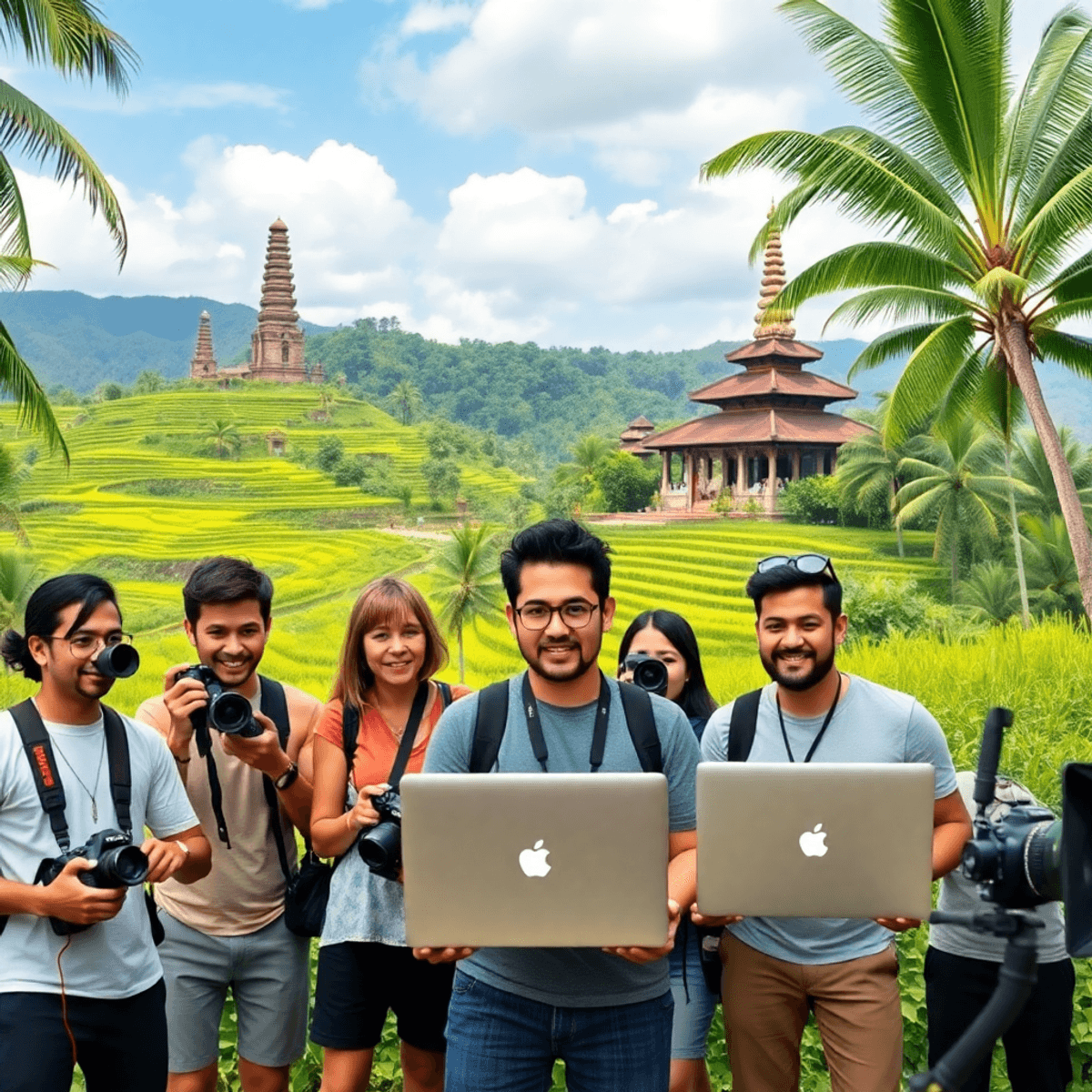
Bali has quickly become a popular destination for Bali influencers, digital nomads, and content creators who want to showcase the island's stunning natural beauty and rich cultural heritage. With its beautiful beaches, picturesque rice fields, vibrant arts scene, and top-notch hospitality, Bali attracts thousands of people armed with professional cameras and smartphones, sharing their adventures on social media platforms like Instagram, TikTok, and YouTube.
This growing popularity of Bali as a creative hub has caught the attention of Indonesian authorities. Recently, there has been increased scrutiny on influencer activities within the island. Immigration officers are now closely watching foreign visitors who engage in commercial or work-related activities without proper visas — a significant change in enforcement that directly impacts influencers using tourist visas to monetize their presence.
Why is Bali specifically targeting this group? What legal frameworks support these immigration policies? How do these regulations affect the thriving creator economy on the island?
To answer these important questions, this article includes an exclusive interview with an experienced Bali immigration policy analyst. Their insights reveal why Indonesia is putting more focus on social media influencers and how changing immigration rules aim to balance tourism growth with regulatory compliance.
In this context, it's worth noting how influencers can still succeed within these new regulations. For example, they could use quirky ad campaigns that resonate with local culture while following legal guidelines. Additionally, understanding how to create viral video ad campaigns could give them an edge in terms of visibility and engagement.
Moreover, since many influencers are also content creators, mastering the art of video translation using AI could open up new opportunities for reaching diverse audiences. Lastly, for those looking to further enhance their skills, following a detailed step-by-step guide to creating engaging video content could be extremely beneficial.
Why Creators and Influencers Are Drawn to Bali
Bali has become a vibrant hub where creativity meets paradise, attracting a diverse community of influencers, photographers, wellness professionals, and online entrepreneurs. The island’s breathtaking landscapes — from lush rice terraces to pristine beaches — provide a stunning backdrop that captivates creators seeking visually compelling content.
Bali's Appeal for Creators
Bali offers several factors that make it an attractive destination for creators:
- Stunning Natural Scenery: The island is known for its picturesque landscapes, including lush rice terraces, beautiful beaches, and volcanic mountains. These natural wonders serve as the perfect setting for photographers and videographers looking to capture awe-inspiring visuals.
- Unique Cultural Experiences: Bali has a rich cultural heritage with vibrant traditions, ceremonies, and art forms. Creators can immerse themselves in the local culture, participate in traditional events, and showcase these experiences through their content.
- Diverse Activities: From adventure sports like surfing and hiking to wellness practices such as yoga and meditation, Bali offers a wide range of activities that cater to different interests. This diversity allows creators to explore various niches and create content that resonates with their target audience.
- Inspiring Community: The island attracts a creative community of like-minded individuals who share similar passions. Collaborating with other artists, attending workshops or events, and exchanging ideas within this community can fuel inspiration and growth.
How Bali Supports Influencer Culture
Bali's hospitality industry plays a crucial role in nurturing influencer culture on the island:
- Unique Accommodations: The rise of boutique hotels, eco-friendly villas, and Instagrammable stays provides influencers with visually appealing places to stay while creating content.
- Cafes & Restaurants: The emergence of trendy cafes serving aesthetically pleasing food presentations creates opportunities for food bloggers or lifestyle influencers to capture eye-catching shots.
- Wellness Retreats: With an increasing focus on self-care and holistic living among influencers, Bali's wellness retreats offer spaces where creators can recharge physically and mentally while documenting their journeys.
These elements combined make Bali an ideal playground for influencers seeking unique experiences that align with their brand identities.
The Role of Social Media in Promoting Bali
Social media platforms like Instagram, TikTok, and YouTube have significantly contributed to amplifying Bali's appeal:
- Visual Storytelling: Influencers leverage these platforms' visual nature by sharing captivating photos/videos showcasing the island's beauty — from stunning sunsets at iconic locations (like Uluwatu) to vibrant street markets (like Sukawati).
- User-Generated Content: As travelers visit Bali inspired by influencer recommendations or viral posts about specific attractions/activities (e.g., swing spots), they create user-generated content further promoting the destination organically.
- Trends & Challenges: TikTok trends/challenges related to travel or specific experiences (e.g., "Bali Bucket List") often go viral leading more people interested in visiting/exploring those particular aspects showcased.
This continuous cycle of creation-consumption-sharing fuels wanderlust among potential tourists while establishing Bali as one of the top travel destinations globally.
Remote Work Opportunities in Bali
Another aspect contributing towards why many creators choose Bali is its suitability for remote work:
Digital Nomad-Friendly Environment: With reliable internet connectivity across most areas coupled with affordable living costs compared to major cities worldwide makes it easier for digital nomads (including creators) set up base here while managing their online businesses/freelance projects.Coworking Spaces & Networking Events: Canggu/Ubud being popular hubs have numerous coworking spaces offering flexible memberships along with regular networking events providing opportunities connect fellow entrepreneurs/professionals exchange ideas collaborate on projects.
Work-Life Balance: The laid-back lifestyle combined with access outdoor activities wellness practices encourages individuals prioritize work-life balance leading increased productivity creativity — essential qualities needed sustain long-term success creative endeavors.
By embracing this evolving creator economy fueled by borderless work models entrepreneurs can build brands generate income remotely all while immersing themselves Balinese culture environment.
In summary,Bali stands out not just as picturesque getaway but also thriving ecosystem supporting growth development various forms artistic expression entrepreneurship.Making it ideal destination both aspiring established creators alike looking elevate craft expand reach audience through immersive storytelling experiences!
Understanding Indonesia's Immigration Policy on Influencers
Indonesia’s immigration policy, rooted in long-established laws, has recently been applied with greater rigor to address the surge of influencer activities on the island of Bali. The enforcement actions targeting foreign content creators are not driven by new legislation but stem from a stricter interpretation and application of existing visa regulations.
Tourism vs. Commercial Activity: A Crucial Distinction
Indonesian authorities make a clear legal distinction between tourism and commercial activity under their visa framework:
- Tourism: Permitted under tourist visas (such as Visa on Arrival or C1 tourist visas), activities must be strictly limited to leisure purposes—sightseeing, cultural exploration, and non-commercial social visits.
- Commercial Activity: Any form of work that generates economic value—directly or indirectly—is classified as commercial. This includes sponsored posts, brand endorsements, photography services, and barter arrangements where goods or services are exchanged for promotional content.
This distinction is important because it defines what foreigners can legally do while in Indonesia on a tourist visa. Engaging in commercial activities without appropriate visas or permits is considered a violation subject to penalties.
Challenges Applying Traditional Visa Categories to Modern Online Work
The rise of digital nomads, influencers, and online entrepreneurs presents unique challenges for Indonesian immigration policy:
- Outdated Visa Categories: Traditional visa classifications were designed before the explosion of internet-based professions. They do not explicitly accommodate remote work, influencer marketing, or barter-based collaborations.
- Blurred Lines Between Leisure and Work: Many influencers combine tourism with content creation. Posting photos from Bali’s beaches can be personal leisure or part of paid sponsorship campaigns. Indonesian immigration authorities focus on the economic intent behind these activities rather than the physical setting alone.
- Monitoring and Enforcement Complexity: Social media monitoring tools now assist immigration officials in identifying potential violations by tracking tagged brand collaborations or sponsored posts originating from Bali locations.
“The current enforcement reflects a policy shift toward formalizing foreign involvement in Indonesia’s economy,” explains a Bali immigration analyst. “We want to protect local jobs and ensure compliance while adapting to new global work trends.”
Adhering strictly to visa regulations requires influencers and creators to evaluate their activities carefully. The traditional tourist visa does not cover most commercial engagements related to creating monetized content—even if payment is indirect or barter-based.
This evolving situation highlights the need for clarity about visa requirements for digital creators who want to work legally in Bali, balancing Indonesia’s economic interests with the realities of modern remote work.
Defining Work-Like Activities Under Bali’s Immigration Rules
Bali’s immigration authorities have drawn a clear line between leisure activities permitted on a tourist visa and commercial/promotional activity that requires proper authorization. Understanding these distinctions is crucial for influencers navigating the island’s tourist visa restrictions.
What Counts as Work-Like or Commercial Activity?
Activities traditionally seen as “work” now extend to many forms of influencer engagements, including but not limited to:
- Sponsored posts and brand endorsements: Posting content that promotes a product, service, or brand in exchange for payment, gifts, or discounts.
- Photography assignments: Offering professional photography services, even if unpaid or informal.
- Workshops and events: Hosting paid or unpaid sessions that promote businesses or services.
- DJ performances, yoga teaching, and volunteering: Any activity with a promotional angle that benefits a business or organization.
These activities are classified as commercial because they generate economic value, directly or indirectly. It’s not solely about receiving money; any form of compensation—financial or otherwise—can trigger enforcement.
Barter Deals: A Common Pitfall
Barter arrangements represent a particularly tricky area for Bali influencers. This includes situations where:
- Free accommodation is provided in exchange for social media promotion.
- Complimentary meals or wellness treatments are received in return for posts or videos.
- Services like villa stays or event access are exchanged for visibility on influencer channels.
Indonesian authorities treat these barter deals as commercial activity because the influencer derives tangible economic benefits. The exchange of goods or services for promotional content effectively constitutes work under immigration rules.
“Unpaid” does not always mean non-commercial. Economic value matters more than direct monetary payment. Receiving benefits of any kind tied to promotional efforts falls within the scope of work-like activity requiring appropriate visas.
Implications for Bali Influencers
Ignoring these definitions puts influencers at risk of violating tourist visa restrictions. Bali’s crackdown highlights the need to recognize the full spectrum of commercial/promotional activities beyond traditional employment. Influencers must be vigilant about how their collaborations and agreements align with immigration policies to avoid penalties such as fines, deportation, and entry bans.
Understanding this framework helps clarify why seemingly casual exchanges—like posting sponsored content while staying on a tourist visa—are no longer tolerated without official permits.
Common Influencer Behaviors That Attract Immigration Scrutiny in Bali
Bali’s immigration authorities are increasingly vigilant about activities that cross from casual tourism into commercial endeavors without proper authorization. Certain influencer behaviors commonly trigger investigations due to their clear economic implications:
- Accepting free accommodation or services in exchange for posts
- Influencers often receive villa stays, restaurant meals, or wellness treatments with the understanding they will post promotional content on social media. This exchange of value is viewed as a form of work, even if no direct payment changes hands.
- Creating sponsored promotional content on a tourist visa
- Posting brand endorsements, product placements, or event promotions while physically present on a tourist visa is considered unauthorized commercial activity. The frequency and visibility of such posts further raise red flags.
- Offering photography or videography services without permits
- Providing professional shoots—whether for local businesses, fellow influencers, or events—requires appropriate work authorization. Casual snapshots shared for personal use do not attract enforcement but paid or barter-based shoots do.
- Collaborations with local businesses that involve promotion-for-benefit deals
- Influencers who partner with cafes, shops, or resorts to exchange promotional exposure for discounts or freebies fall under scrutiny. These collaborations often lack formal contracts and necessary work permits but still generate economic value.
- Operating monetized social media channels with affiliate marketing or sponsorships
- Earning commissions through affiliate links embedded in posts about Bali-based products or services blurs the line between hobbyist travel blogging and commercial enterprise. Authorities interpret this as ongoing business activity requiring proper visas.
- Hosting workshops, classes, or events without official approval
- Activities like yoga teaching, photography workshops, or influencer meetups that involve fees or sponsorships necessitate work permits. Engaging in these without documentation risks penalties.
Key point: The presence of an audience ready to engage and financially support influencer content transforms seemingly casual trips into market-driven ventures under immigration law.
The strict enforcement reflects Bali’s intent to safeguard its tourism ecosystem by ensuring foreign creators respect visa conditions and contribute transparently to the local economy through regulated channels.
The Gray Area of Online Income and Remote Work in Bali: A Challenge for Digital Nomads and Online Entrepreneurs
The rise of digital nomads and online entrepreneurs in Bali brings complex challenges to Indonesian immigration authorities. Many creators generate income remotely through affiliate programs, AdSense revenue, or online consulting, often blurring the line between tourism and work. This blurred boundary creates tension under current visa frameworks.
1. Defining Remote Work Legality
Remote work legality is difficult to define when activities can be conducted anywhere with internet access. For example, a blogger earning affiliate income by promoting products internationally may be physically present in Bali but financially connected to clients outside Indonesia.
2. Tourist Visa Restrictions
Indonesian tourist visas explicitly restrict any form of commercial activity, yet digital nomads who merely "work online" without local contracts occupy a legal gray zone. Authorities scrutinize the frequency and organization of content creation or business operations rather than just occasional hobbyist activities.
3. Views on Business Activity
Running a YouTube channel monetized through AdSense or managing an e-commerce store while residing in Bali can be viewed as ongoing business activity requiring proper permits—even if income streams originate overseas.
"Just because the income is derived remotely does not exempt it from Indonesian regulations when physical presence is involved," explains immigration policy analysts familiar with recent enforcement trends.
Discussions among legal experts focus on whether digital nomads’ work models fit traditional definitions of employment or commercial enterprise under Indonesian law. The absence of specific legislation tailored to borderless online work fuels uncertainty:
- Some argue that remote workers not engaging with Indonesian clients should not need work visas if they do not physically enter the local labor market.
- Others point out that frequent organized content production, sponsored collaborations, or barter arrangements constitute active business requiring formal authorization.
This ongoing debate indicates evolving interpretations for how immigration rules apply within the modern creator economy where geographic boundaries no longer limit economic activity.
For digital nomads and online entrepreneurs, understanding these nuances is critical to avoid unintended visa violations. Compliance means recognizing that even virtual work has tangible implications when conducted within Bali’s jurisdiction.
As the landscape of online income continues to evolve, it's crucial for those in the digital space to stay informed about the future of digital marketing and its implications on their work and residency status in places like Bali.
Cultural Sensitivity Beyond Legal Compliance: The Role of Balinese Culture in Influencer Activities
Bali’s charm extends far beyond its stunning landscapes and vibrant tourism scene. Balinese culture is deeply woven into everyday life on the island, shaping how locals interact with their environment, community, and visitors. For Bali influencers, respecting these cultural nuances is as crucial as adhering to immigration laws.
Respecting Local Traditions and Sacred Spaces
Influencers should be mindful of the following practices when engaging with Balinese culture:
- Temples etiquette: When visiting temples, influencers should wear appropriate attire—sarongs and sashes are often required—and avoid behaviors that could be seen as disrespectful, such as loud talking or inappropriate posing.
- Ceremony awareness: Many temples restrict access during ceremonies or certain times, so checking schedules and local guidelines before filming or photographing is essential.
- Cultural taboos: Understanding cultural taboos around sacred sites helps prevent inadvertent offenses. For instance, stepping over offerings or touching holy objects without permission can cause offense.
Obtaining Permission and Practicing Courtesy
To foster respectful relationships with the Balinese community, influencers should prioritize the following actions:
- Community respect: Before capturing images or videos of locals, especially in traditional settings or during rituals, securing explicit consent shows community respect.
- Collaboration with hosts: Staging content in sacred or private spaces demands additional sensitivity; influencers should collaborate closely with hosts or community leaders to align on what is acceptable.
- Understanding boundaries: Recognizing the difference between public tourist areas and restricted cultural zones prevents trespassing issues and fosters goodwill.
“Creating content with cultural awareness not only enriches storytelling but strengthens relationships with the Balinese community,” notes a local cultural guide.
Cultural Respect as a Complement to Legal Compliance
Ignoring Balinese customs risks alienating the very communities that make Bali a unique destination. Many immigration concerns arise when influencer activities disregard these social norms alongside visa regulations.
Influencers can navigate this delicate balance by:
- honoring both legal requirements and cultural protocols through ethical collaborations
- enhancing their reputations and supporting sustainable tourism by demonstrating genuine appreciation for Balinese culture
- maintaining harmony between visitors and locals, ensuring Bali remains an inspiring place for creators worldwide through this dual approach
Integrating these practices into influencer activities aligns creative ambitions with Bali’s rich cultural heritage, fostering respect that goes beyond paperwork.
Practical Guidance for Influencers Visiting Bali: Navigating Visa Requirements and Ensuring Ethical Collaborations
For influencers planning to visit Bali, visa advice Bali is essential to avoid legal issues and enjoy a smooth experience on the island. The Indonesian Directorate General of Immigration provides official immigration guidance that should be consulted well before booking flights or accommodations.
Verifying Visa Requirements Based on Planned Activities
- Define your intent clearly: Differentiate between tourism and commercial activities. If your visit includes sponsored posts, brand endorsements, paid workshops, or any form of barter deals (such as free stays in exchange for promotion), a tourist visa is not sufficient.
- Check visa categories: Options include the C5A Social Media Content Creator Visa or the E33G Remote Worker Visa. Each has specific eligibility criteria and application processes. Use official government portals to verify current requirements and avoid misinformation from unofficial sources.
- Plan ahead: Processing times for specialized visas can take weeks. Rushing travel plans without proper documentation risks fines, deportation, or bans.
“Many travelers assume a tourist visa covers all types of social media activity. That assumption leads to serious consequences,” says our policy analyst.
Treating Exchanges of Value as Formal Collaborations
In Bali’s eyes, any exchange involving goods, services, or money linked to content creation qualifies as a commercial arrangement:
- Avoid casual favors: Receiving free accommodation, meals, or event access in return for posts must be treated as a formal collaboration.
- Obtain necessary permits: Engage with Indonesian authorities or visa consultants to secure work permits tailored for influencer activities.
- Document agreements: Written contracts with local businesses protect both parties and demonstrate transparency if questioned by immigration officials.
Clear Communication with Local Businesses
Successful collaborations rely on mutual understanding of legal boundaries:
- Discuss visa status openly with partners to ensure compliance with Indonesia’s regulations.
- Confirm that collaborators are aware of the restrictions on unpaid promotional work under tourist visas.
- Align expectations on content use rights and deliverables while respecting local customs and business practices.
Collaboration transparency strengthens trust within Bali’s creator community and supports sustainable relationships benefiting both visitors and residents.
Ethical Content Creation Practices Aligned with Local Rules
Producing lawful content requires awareness beyond just immigration compliance:
- Avoid monetizing audiences through affiliate links or sponsorships without appropriate authorization.
- Respect Bali’s commitment to "quality tourism" by promoting responsible and culturally sensitive storytelling rather than exploitative marketing tactics.
Consulting official resources before engaging in any type of commercial activity fosters confidence in your visit while preserving the island’s integrity as a creative hub.
Consequences of Violating Visa Rules and Cultural Norms in Bali: A Warning for Influencers
Bali’s immigration authorities have taken a firm stance against unauthorized work activities conducted under tourist visas. The island is no longer a lenient playground for influencers who blur the lines between leisure and commercial enterprise. Understanding the consequences of visa violations and cultural insensitivity is crucial for anyone planning to create content or engage with local businesses here.
Real and Immediate Penalties for Unauthorized Work
Foreign nationals caught engaging in commercial or promotional activities without appropriate permits face unauthorized work penalties that are strictly enforced:
- Investigations: Bali’s Dharma Dewata Immigration Patrol Task Force actively monitors social media and physical locations to identify violations. Influencers posting sponsored content or accepting barter deals can be flagged even before arrival.
- Fines: Monetary penalties can be substantial, reflecting the seriousness of non-compliance. These fines serve as deterrents against exploiting tourist visas for economic gain.
- Visa Cancellation and Detention: In many cases, authorities cancel tourist visas immediately upon discovery of unauthorized work. Detention may follow while immigration processes are underway.
- Deportation and Visitor Removal Bali: Those found guilty often face swift deportation orders. Removal from Bali includes multi-year entry bans, preventing re-entry into Indonesia for extended periods.
“Ignorance is not accepted as an excuse,” states a senior immigration official. “Our enforcement sends a clear message that Bali protects its borders and respects its laws.”
Enforcement Rooted in Public Order and Compliance Concerns
The crackdown extends beyond legal formalities; it addresses broader issues impacting public order:
- Past incidents involving foreign visitors working illegally have raised concerns about unfair competition with locals, exploitation of hospitality services, and disturbance within communities.
- Authorities emphasize the need to maintain quality tourism by ensuring that foreign creators operate transparently and within the framework designed to protect local jobs.
- Immigration sanctions Indonesia imposes reflect a balance between welcoming international visitors and safeguarding national interests.
Cultural Norms as Part of Compliance
Failing to respect Balinese cultural norms when producing content can amplify scrutiny:
- Disregarding local customs at temples or sacred sites is not only culturally insensitive but may also trigger complaints leading to immigration investigations.
- Authorities view adherence to cultural expectations as integral to responsible influencer conduct, linked closely with visa compliance.
Influencers must recognize that Bali enforces its immigration policies robustly, balancing vibrant tourism with regulatory control. Violations carry significant consequences impacting both personal freedom and future travel opportunities within Indonesia. For those looking to navigate these challenges successfully, understanding how real estate marketing experts leverage local cultural norms in their strategies could provide valuable insights.
Conclusion
Bali’s rise as a global influencer hotspot comes with responsibilities that extend beyond stunning visuals and viral content. The island’s cultural heritage and legal frameworks call for sustainable influencer practices Bali that honor both tradition and regulation.
Key points to embrace for Bali influencers:
- Respect local customs and sacred sites. Dressing appropriately, seeking permission before filming, and avoiding disruption ensures social media stories enrich rather than exploit Balinese culture.
- Engage in responsible social media use Indonesia. Transparency about collaborations, proper visa compliance, and recognition of economic value behind promotional activities maintain integrity in the creator economy.
- Foster ethical collaborations with local communities. Partnerships should be mutually beneficial, supporting local businesses and artisans without unfair advantage or cultural insensitivity.
“Being an influencer in Bali means more than capturing beauty—it requires a deep respect for the people and place that inspire your creativity.” — Bali Immigration Policy Analyst
As the digital landscape evolves, so must the approach of creators who call Bali home or visit its shores. Adapting to these expectations safeguards not only personal freedom but also the island’s rich identity that draws millions worldwide. In this context, understanding the emotions you need to evoke for your content becomes essential. This not only enhances engagement but also fosters a deeper connection with the audience, making them more receptive to your message while respecting the ethos of the Balinese culture.
Comments
Post a Comment