- Get link
- X
- Other Apps
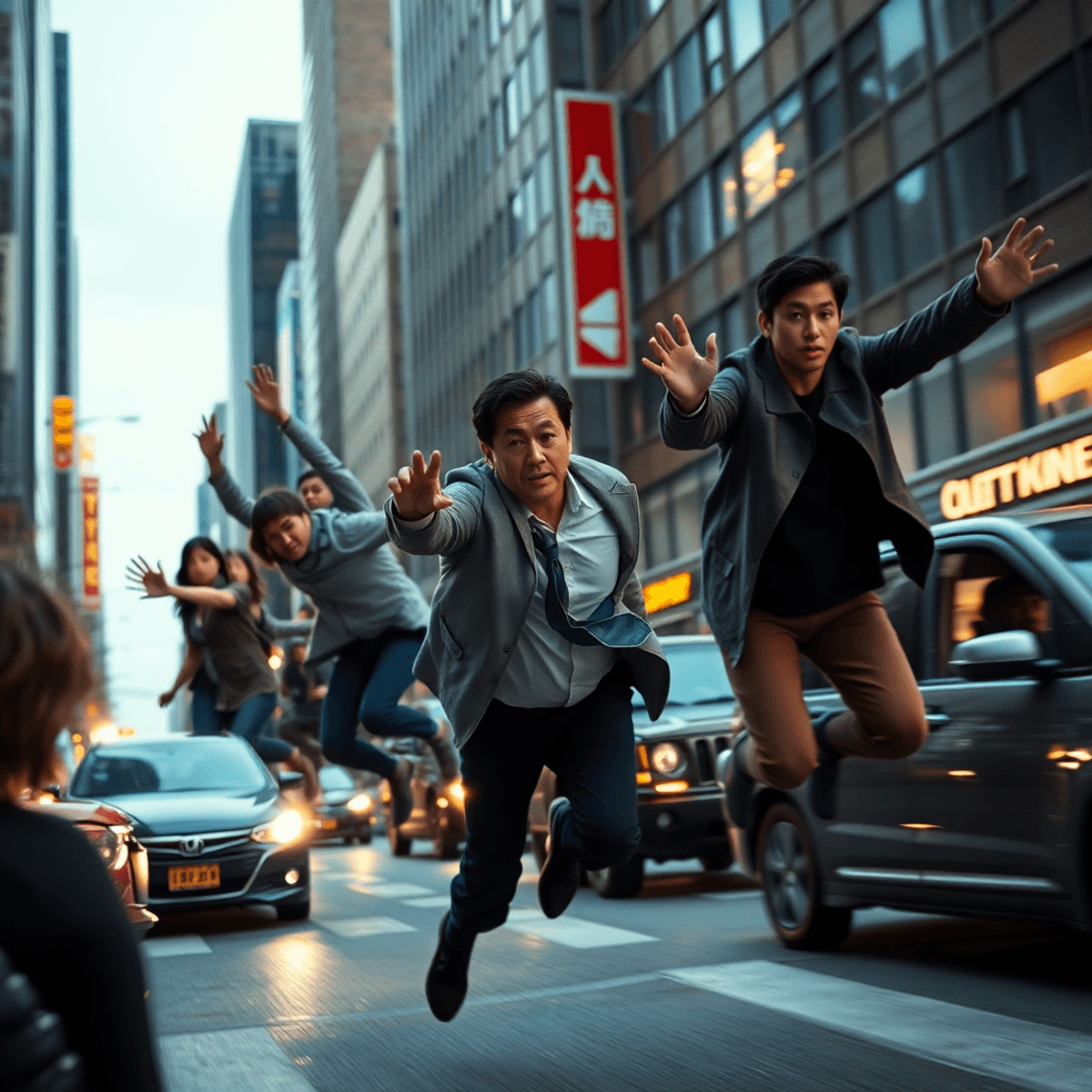
Time manipulation effects have become a game-changer in video content, especially for AI Influencer Vlogs aiming to captivate audiences with busy city visuals and dynamic storytelling. Techniques like the time stopper freeze effect add a layer of cinematic flair that transforms ordinary footage into mesmerizing moments of suspended reality. Imagine blending drone shots soaring above hectic traffic jams with perfectly timed freezes that highlight subtle details—this mix elevates the visual impact while deepening narrative engagement.
The magic behind these effects lies not only in their technical execution but also in how they serve the story. Whether it's freezing a bustling street scene to emphasize a key emotion or slowing down a movement for dramatic effect, these tools give vloggers and filmmakers powerful ways to direct attention and evoke mood.
This article dives straight into the heart of the Time Stopper Cinematic Freeze Effect, unpacking:
- The techniques that bring frozen moments to life on screen
- Iconic examples from film history that showcase time manipulation mastery
- Practical tips for AI influencer vlog creators to design stunning freeze scenes—right from directing actors and props for realism to utilizing editing tools like Nuke
Get ready to explore when and how to use each effect to amplify your storytelling impact, making your vlog or blog stand out in a sea of content.
In addition, as we delve into the world of AI influencer vlogs, it's essential to consider the role of security in such ventures. With mastering CCTV security cameras being an important aspect, understanding how to effectively use CCTV for home security can provide valuable insights. Furthermore, as AI continues to evolve, mastering AI object detection in CCTV will be crucial for enhancing security measures. Lastly, exploring innovations like the new AI night guard technology can significantly improve surveillance during nighttime.
Understanding the Time Stopper Cinematic Freeze Effect

The Time Stopper Cinematic Freeze Effect is a visually stunning technique that manipulates the perception of time within a video or film. It falls under the broader category of time manipulation effects, which also include bullet time and slow motion. Each offers a unique way to highlight action, emotion, or environment by bending reality’s natural flow.
What Is the Time Stopper Cinematic Freeze Effect?
At its core, the cinematic freeze effect is about creating the illusion that time has completely stopped. Characters and objects appear frozen mid-movement, while the camera may move dynamically around them, revealing angles impossible in real-time. This effect draws viewers deeply into moments, emphasizing details and heightening drama.
Origins of Cinematic Freeze: From Slow Motion to Bullet Time
The roots of cinematic freeze trace back to early slow-motion experiments in silent films, where filmmakers sought to emphasize physical comedy or dramatic gestures. Advances in high-speed cameras made smooth slow motion possible by capturing hundreds or thousands of frames per second.
Bullet time took this further by combining multiple cameras with digital compositing. The innovation delivered an immersive experience—viewers could see a frozen moment from every angle as if navigating through suspended space.
Notable Films and TV Shows Using Cinematic Freeze Effects
Some productions have truly mastered these effects to elevate their storytelling:
- The Matrix (1999): The definitive example of bullet time, where Neo dodges bullets in a gravity-defying freeze effect that changed visual storytelling forever.
- X-Men: Days of Future Past (2014): Used a sophisticated blend of bullet time and slow motion during Quicksilver’s super-speed scenes, portraying his perception of halted world around him.
- Sherlock (BBC Series): Employed slow-motion 'mind palace' sequences where Sherlock’s thought processes freeze and zoom into minute details for dramatic emphasis.
- Inception (2010): Showcased varying degrees of slowed-down action in dream sequences, blending slow motion with practical effects for surreal impact.
Comparison: Time Stopper vs. Other Slow Motion Techniques
Technique | Visual Impact | Camera Setup | Movement Style |
Time Stopper (Freeze) | Complete halt; dynamic camera moves | Multiple cameras or VFX | Camera moves around still scene |
Bullet Time | Ultra-slow 3D rotation feel | Array of synchronized cameras | Dynamic multi-angle capture |
Slow Motion | Elongated movement | High frame rate single camera | Linear, real-time perspective |
Freeze Frame | Single frozen image | Single shot | No movement |
Understanding these distinctions helps creators select the right technique based on narrative goals and available resources.
How Does the Time Stopper Effect Work?

Mastering the Time Stopper Cinematic Freeze Effect requires a blend of technical know-how and creative vision. Whether you're capturing a bustling cityscape or an intense action moment, understanding the techniques and equipment behind freezing time on camera is essential.
Techniques Behind Freezing Time on Camera
Creating that jaw-dropping moment where everything seems to halt while the camera moves involves several key approaches:
- Multi-Camera Arrays: The classic "bullet time" effect relies on an array of cameras positioned around the subject. These cameras fire sequentially or simultaneously, capturing multiple angles frozen in time. Later, these images are stitched together in post-production to simulate movement around a frozen moment.
- High-Speed Cameras for Slow Motion: Though different from freezing time completely, ultra-high frame rate cameras slow down motion dramatically, giving viewers a detailed look inside fast-moving actions.
- Single-Camera Freeze Frames: Sometimes, a simple freeze frame combined with clever editing and sound design can emphasize a moment without complex setups.
- Motion Control Rigs: Robotic rigs control camera movement precisely and repeatably, perfect for synchronizing shots needed in multi-camera setups or blending live-action with CGI freezes.
Camera Equipment and Setup Recommendations
Choosing the right gear depends on your budget, scene complexity, and creative goals. Here's what works best for capturing stunning freeze moments:
- Multiple DSLR or Mirrorless Cameras: Affordable for indie creators. Arrange 8–20 cameras in an arc or circle around your subject to shoot simultaneous frames.
- High-Speed Cameras (e.g., Phantom Flex): Ideal for slow-motion sequences but costly; great if you want smooth slow-mo rather than a full freeze.
- Tripods and Mounts: Stability is critical. Use sturdy tripods or clamps to ensure each camera stays perfectly aligned.
- Remote Triggers and Synchronizers: To fire all cameras at once or in precise sequence, remote triggers synced via radio or cables are essential.
- Drones: When working with busy city scenes, drones capture dynamic aerial shots that complement freeze effects by adding sweeping perspectives.
Step-by-Step Guide: Creating a Time Stopper Cinematic Freeze Scene
Planning is everything when it comes to executing these eye-catching effects. Follow these steps to bring your freeze scene to life:
- Conceptualize Your Moment: Visualize what part of your scene deserves freezing—usually a dramatic action point or emotional highlight.
- Storyboard Freeze Moments: Sketch each frame's composition carefully. Consider how the camera will move through space while time appears suspended. Storyboarding helps map out visual flow and anticipate challenges.
- Plan Blocking With Actors and Props: Rehearse actors and interactive objects holding poses perfectly still. Mark exact positions on the floor using tape to maintain continuity across shots.
- Arrange Your Camera Setup: For bullet time, position cameras evenly spaced in an arc or circle around your subject. For drone shots, plan flight paths that integrate frozen scenes seamlessly into wider city views.
- Synchronize Camera Triggers: Test firing all cameras simultaneously or in sequence to ensure smooth transitions between angles.
- Capture Background Plates: Film empty scenes without actors if you plan to composite freeze frames over dynamic backgrounds later.
- Shoot Multiple Takes: Actor stillness is difficult to sustain, so more takes increase your chances of nailing that perfect freeze moment.
Famous Examples of Cinematic Freeze in Film History
When it comes to the time stopper freeze effect, there are certain films that immediately come to mind. These films demonstrate how this technique can completely transform storytelling and create a powerful visual impact. The scenes from these iconic movies have influenced countless creators, including AI influencer vloggers who capture dynamic urban environments such as bustling traffic jams, sky trains weaving through cityscapes, and the chaotic presence of numerous motorcycles.
The Matrix Bullet Time Example
One of the most groundbreaking uses of the cinematic freeze effect is undoubtedly The Matrix bullet time scene. This moment changed filmmaking forever by combining a frozen-action effect with a rotating camera perspective. The technology behind it involved setting up multiple still cameras in a circular arrangement around the main character (Neo) to capture simultaneous images from various angles. When these frames were combined, they created an illusion of a seamless 360-degree rotation around Neo as he dodged bullets mid-air, a technique known as bullet time.
Key elements to note:
- Multi-camera rig setup: Essential for creating that smooth rotational freeze.
- Slow-motion combined with freeze: Amplifies tension and highlights Neo's superhuman abilities.
- Visual storytelling: The freezing effect accentuates the gravity-defying moment, making viewers feel suspended in time.
This technique inspired many imitators and has become synonymous with high-impact visual storytelling—perfect inspiration for any AI influencer vlog intending to show chaotic city scenes with a surreal twist.
X-Men: Days of Future Past Quicksilver Scene
Another unforgettable cinematic freeze moment appears in X-Men: Days of Future Past during Quicksilver’s kitchen sequence. Here, time slows dramatically from Quicksilver’s perspective while everything else appears frozen—or moving extremely slowly—allowing him to manipulate objects and outsmart danger effortlessly.
Highlights of this scene:
- Combination of slow motion and freeze frames: Creates an immersive point-of-view experience.
- Intricate choreography with practical effects: Real-world objects interact while most actors remain perfectly still.
- Fast-paced city vibe replicated: The chaos within a confined space mirrors urban congestion like heavy traffic or sky train stations, making it relatable for AI influencers capturing busy city life.
This scene masterfully blends technical precision with narrative flow, giving creators blueprints on balancing action and stillness effectively.
Other Iconic Freeze Moments
Beyond The Matrix and X-Men, several films have utilized the cinematic freeze effect to leave lasting impressions:
- Scott Pilgrim vs. The World – Freeze frames paired with comic-style graphics enhance humor and character insight.
- Sherlock Holmes (2009) – Uses micro slow-motion freezes to visualize deduction processes amid fast-moving scenes.
- Wanted (2008) – Incorporates bullet curving shots where time is manipulated to emphasize supernatural abilities.
Each example employs unique approaches but shares a common thread—using time manipulation to heighten drama, clarify complex movements, or inject stylistic flair.
Relevance for AI Influencer Vlog Creators
For creators exploring time stopper freeze effects within urban settings crowded by heavy traffic, sky trains, or too many motorcycles, these famous cinematic moments offer valuable lessons:
- Emphasize key actions by isolating movement amidst frozen chaos.
- Use camera rigs and editing techniques to replicate multi-angle perspectives that draw viewers into the scene.
Visual Effects (VFX) in Time Stopper Scenes
Creating jaw-dropping Time Stopper scenes relies heavily on sophisticated post-production techniques that blend real-world footage with computer-generated imagery (CGI). The magic happens when software tools like After Effects and Nuke come into play, transforming raw clips into mesmerizing moments where time seems to halt or warp around objects like taxis, trucks, or bustling highways.
Key Software for Enhancing Bullet Time and Freeze Frame Effects
1. Adobe After Effects
Renowned for its versatility, After Effects offers advanced compositing tools perfect for layering freeze frames with dynamic backgrounds. Its motion tracking features help integrate live-action shots seamlessly with CGI elements—a crucial step when simulating frozen moments amidst moving traffic or urban chaos.
2. Nuke by Foundry
A powerhouse in high-end VFX production, Nuke excels in node-based compositing workflows. It’s ideal for complex sequences requiring precise manipulation of layers, rotoscoping actors frozen mid-action while vehicles zoom past. Nuke’s robust 3D environment enables deeper integration of CGI assets with live footage.
3. Cinema 4D / Maya
Though primarily 3D modeling tools, Cinema 4D and Autodesk Maya often contribute to Time Stopper effects by creating realistic digital doubles or environmental enhancements—imagine a digitally reconstructed highway scene with hyper-detailed trucks frozen in place, surrounded by drone-shot panoramas of the city.
Combining Live-Action with CGI for Seamless Effects
One of the biggest challenges lies in merging real footage—such as street scenes congested with taxis and trucks—with CGI elements that simulate the freeze effect convincingly. Techniques include:
- Rotoscoping: Carefully tracing and isolating actors or objects frame-by-frame to maintain crisp edges against a digitally manipulated background.
- Camera Projection Mapping: Mapping live-action footage onto 3D geometry to create multi-angle bullet time shots that smoothly transition between viewpoints.
- Particle Simulations: Adding dust motes, wind-blown debris, or raindrops suspended mid-air enhances realism within a frozen moment.
Practical Application: Urban Traffic Scenes
Imagine an AI influencer vlog capturing a busy highway jammed with taxis and trucks from a drone perspective. In post-production:
- The editor isolates vehicles using rotoscoping tools in After Effects.
- Nuke’s compositing nodes layer these frozen elements over subtly animated backgrounds to preserve environmental motion—like flickering streetlights or shifting shadows.
- CGI enhancements introduce reflections on truck windows or subtle smoke plumes halted mid-rise, amplifying the surreal freeze effect without losing natural texture.
Blending these techniques creates immersive visuals where time feels physically manipulated—ideal for storytelling that emphasizes urban energy caught in a cinematic pause.
Visual effects software empowers creators to transcend physical limitations on set, producing Time Stopper scenes that mesmerize audiences while telling richer stories through innovative manipulation of reality itself.
In addition to these VFX techniques, understanding the functionality of CCTV can significantly enhance the quality of urban traffic scene captures. By employing high-quality CCTV systems such as those offered by [CCTV Home](https://cctvhomeblog.blogspot.com/2023/12/experience-unmatched-security-with
DIY Time Stopper Effects for Low-Budget Filmmakers
Creating jaw-dropping Time Stopper visuals doesn't always require top-tier equipment or a Hollywood-sized budget. With some ingenuity and practical tricks, low budget filmmaking can achieve stunning freeze or slow-motion effects that captivate audiences. Here are some creative tricks using practical effects to bring your scenes to life:
1. Staged Freeze Frames with Actor Posing
- Direct your actors to hold dynamic poses as still as possible while the camera moves around them.
- Use a handheld stabilizer or gimbal to slowly orbit or glide past the frozen subject, simulating bullet time without complex rigs.
- This method works best in controlled environments where lighting and background distractions are minimized.
2. Stop Motion Style Frame-by-Frame Shooting
- Shoot your action in small increments, instructing actors to hold positions between each frame.
- When played back at normal speed, this creates a choppy yet hypnotic freeze effect reminiscent of stop motion animation.
- Great for emphasizing surreal or stylized moments on a tight budget.
3. Speed Ramping with Smartphone Cameras
- Many smartphones now feature built-in slow-motion video capture.
- Record your scene at high frame rates (e.g., 120fps or 240fps) and adjust playback speed during editing to ramp down into slow-mo or near-freeze moments.
- Combining this with static shots lets you create contrasting pacing that mimics time manipulation.
4. Use of Practical Props and Environmental Elements
- Suspend lightweight objects like leaves, papers, or dust particles mid-air using invisible threads or careful placement.
- Record the scene with actors frozen in place while these elements subtly move, adding depth and realism to your 'frozen' world.
- This technique helps break the monotony of absolute stillness with organic motion.
5. Mirror and Reflective Surfaces
- Position mirrors strategically so that reflections can be used to imply time manipulation.
- For example, have the actor frozen in one part of the frame while their reflection shows subtle movement captured at a different moment.
- Reflections add layers and complexity without additional gear.
6. Lighting Tricks for Illusion of Time Stop
- Utilize strobes or flickering lights timed with camera shutter speeds to create a flicker freeze effect.
- Careful control of shadows and highlights can enhance the sensation that time is pausing around your subject.
Practical tricks low budget filmmaking is all about maximizing what you already have. Combining clever blocking, creative angles, and simple props can elevate your Time Stopper scenes without breaking the bank.
Experimentation is key—test different combinations of these methods tailored to your story and environment. These hands-on techniques empower filmmakers working solo or small teams to craft mesmerizing visual moments that rival big-budget productions.
Tips for Shooting Convincing Freeze Scenes
When bringing the Time Stopper freeze effect to life in your AI Influencer Vlog, lighting considerations play a massive role in selling the illusion. Lighting can either make your freeze look magical or reveal the trick behind it. Here’s what you need to know to master this cinematic technique:
1. Consistent Lighting Is Your Best Friend
In a freeze scene, the environment should feel timeless, so lighting needs to be steady and consistent throughout the shot. Avoid natural light shifts like clouds passing overhead mid-take — they’ll break the illusion. Use continuous artificial lighting setups when possible, such as LED panels or softboxes, which keep light levels stable.
2. Soft vs. Hard Light: Set Your Mood
Soft lighting wraps subjects in gentle shadows and reduces harsh contrasts, making frozen moments look smooth and surreal. Hard lighting can create dramatic shadows and crisp edges but may highlight imperfections during the freeze frame. Choose based on the vibe you want:
- Soft light for dreamy, ethereal freezes
- Hard light for intense, graphic visuals
3. Control Reflections and Glare
Reflective surfaces like glass, water puddles, or even shiny clothing can cause distracting glare when frozen on camera. Position lights at angles that minimize hot spots, or use polarizing filters on lenses to tame reflections—this helps maintain clarity without breaking immersion.
4. Detail Highlights & Shadows Matter More Than Ever
Since movement is paused, viewers fixate on textures and details. Highlighting these through well-placed rim lights or subtle fill lights adds depth to your scene's frozen moment. Shadows should be soft enough not to flatten the image but defined enough to create volume.
5. Color Temperature Consistency
Mixing different color temperatures (warm tungsten with cool daylight) creates visual dissonance that disrupts the time-stopper illusion. Stick to one temperature range per scene — or adjust in post-production — but aim for harmony during shooting.
Behind-the-scenes breakdowns from creators often reveal how meticulous lighting adjustments separate an amateur freeze frame from a cinematic masterpiece.
6. Use Light Modifiers for Fine-Tuned Control
Modifiers like diffusers, grids, and flags help sculpt your light precisely where needed without spillover. This precision prevents unwanted flares or shadows that could ruin the frozen effect’s believability. For those on the move, light modifiers are especially crucial as they allow for flexibility while maintaining control over lighting.
7. Plan Your Lighting Setup Early with Storyboarding
Map out your freeze scenes during pre-production focusing heavily on lighting angles and intensity changes between shots. Storyboards with lighting notes ensure everyone on set understands how crucial this element is.
Lighting isn’t just about visibility; it’s about mood, depth, and suspension of disbelief when shooting convincing freeze scenes for AI influencer content in bustling urban environments or quiet drone shots hovering over cityscapes. Nail this aspect and watch your Time Stopper effects elevate from neat tricks into unforgettable visual moments that captivate viewers’ attention immediately
Challenges & Solutions in Cinematic Freezing
Creating flawless cinematic freeze scenes involves tackling several actor movement continuity, lighting, and synchronization challenges. These hurdles require both creativity and technical skill to maintain the illusion of stopped time.
Actor Movement and Holding Still
One of the biggest challenges is getting actors to hold perfectly still without any involuntary movements like blinking, breathing heavily, or shifting weight. Even the slightest twitch can break the freeze effect.
- Rehearse with actors beforehand: Practice poses multiple times to build muscle memory.
- Use physical supports: Hidden braces or props can help actors maintain balance.
- Short takes: Shoot in bursts to avoid fatigue that causes shaking.
- Adjust framing: Crop shots tighter on faces or hands where subtle movement is less noticeable.
Maintaining Continuity Between Takes
Freeze scenes often require multiple takes with different camera angles or actor positions. Maintaining exact continuity is tricky but essential for seamless editing.
- Mark actor positions with tape on the floor.
- Capture reference photos between takes.
- Use consistent wardrobe and makeup.
- Employ a script supervisor to note small details like finger placement or head tilt.
Synchronizing Camera Rigs
Bullet time and freeze effects frequently rely on synchronized multi-camera rigs capturing the action from various angles simultaneously. Any mismatch in timing throws off the entire sequence.
- Calibrate cameras before shooting using test shots.
- Use remote triggers or wired control systems for millisecond synchronization.
- Keep cameras locked on manual focus and exposure settings to avoid shifts mid-scene.
- Consider smartphone app-based solutions like Triggertrap or Filmic Pro for budget-friendly synchronization alternatives.
Lighting Consistency
Maintaining consistent lighting across frozen frames is vital for realism. Flickering lights or shadows shifting between cameras ruin the illusion of paused time.
- Lock down all lighting equipment; avoid natural light changes by shooting indoors or at night.
- Diffuse harsh lights to prevent unwanted glare or hot spots.
- Use continuous LED panels instead of strobes for steady illumination.
Smartphone and app-based solutions are emerging as accessible tools for indie filmmakers diving into time stopper effects. Apps that offer multi-camera control and frame syncing democratize complex setups once reserved for high-end studios. For instance, using CCTV camera images as reference can help in maintaining continuity and ensuring that every detail is captured accurately.
A well-executed freeze scene depends on attention to these details, blending technical precision with creative direction. Mastering these challenges unlocks new storytelling dimensions — perfect for AI influencer vlog creators capturing dynamic urban landscapes amid busy city traffic jams and drone perspectives.
Showcase: Best Time Stopper Edits on Social Media
Social media platforms like TikTok and Instagram have become playgrounds for creators experimenting with cinematic freezing effects. These viral TikTok Instagram videos with cinematic freezing effects showcase how the Time Stopper effect can captivate audiences in just seconds.
Viral TikTok and Instagram Videos Featuring Time Stopper Effects
1. City Freeze Frame Series
Creators capture bustling urban scenes—pedestrians mid-step, cars halted in motion—while the camera glides through the frozen chaos. This technique not only highlights human movement but also gives a surreal perspective on city life, often enhanced by drone shots hovering above.
2. Dance Moves in Suspension
Dancers caught mid-spin or leap, frozen perfectly against dynamic backgrounds. These clips use bullet time-style multi-camera rigs to circle around the performers, creating immersive 3D freeze moments that feel hyper-real.
3. Everyday Moments Paused
Ordinary activities like pouring coffee or flipping a book page are turned into mesmerizing slow-motion freezes. Filmmakers use careful lighting and precise timing to emphasize textures—steam from a cup, pages fluttering in air—which elevates mundane scenes into artful visuals.
4. Action Scene Rewinds
Some influencers layer freeze frames with rewind effects, making it seem like time is bending backward. The combination of stopping and reversing action creates mind-bending sequences that grab attention immediately.
What Makes These Edits Stand Out?
- Seamless Integration of Movement and Stillness: The magic lies in balancing frozen elements with subtle motions—like fluttering leaves or blinking eyes—to avoid a flat look while keeping viewers hooked.
- Creative Use of Angles and Perspectives: Using drone footage alongside ground-level shots enriches spatial awareness. This mix shows off the full environment during the freeze, making the scene feel expansive yet intimate.
- Color Grading and Lighting Enhancements: High contrast and vibrant colors accentuate the paused moment’s drama. Many creators apply cinematic-grade color correction to boost mood and draw focus to key subjects.
Why These Time Stopper Edits Go Viral
- They offer an instant visual “wow” factor with minimal runtime—perfect for short-form content consumption habits.
- The surreal suspension of reality sparks curiosity and encourages shares.
- By showcasing everyday life in extraordinary ways, they connect emotionally while impressing technically.
This collection of viral TikTok and Instagram videos with cinematic freezing effects reveals how versatile and engaging the Time Stopper effect can be on social media. Each edit pushes creative boundaries, inspiring AI influencer vlog creators to experiment with their own unique spins on freezing time.
Moreover, such innovative content creation is not limited to just social media. The skills honed while producing these videos can also be beneficial in other fields such as real estate or home security. For instance, understanding how to effectively use CCTV cameras can greatly enhance the quality of video content produced for those sectors, allowing for more professional and engaging presentations.
Conclusion

Using the Time Stopper Cinematic Freeze Effect gives AI influencer vlog creators a chance to be more creative and make better videos. This tool turns regular videos into amazing stories that grab people's attention.
Key takeaways for your vlogs:
- Enhance storytelling depth: Use bullet time and freeze frames to emphasize pivotal moments, adding emotional weight or dramatic flair.
- Showcase unique perspectives: Combine freeze effects with drone shots or busy cityscapes to present scenes from fresh, compelling angles.
- Boost viewer engagement: Dynamic video effects grab attention on social media platforms such as TikTok and Instagram, increasing shareability and reach.
- Adapt to any budget: From high-end VFX software to DIY practical techniques, there are accessible methods to incorporate these effects regardless of resources.
Creating your own comparison video of different effects can help you figure out which style—bullet time, freeze, or slow-mo—works best for your creative vision. It's important to try out different things; mixing these techniques can lead to unique sequences that make your AI influencer vlogs stand out in a crowded online space.
"Mastering the Time Stopper freeze effect isn't just about technical skill—it's about incorporating time into your storytelling."
Use this powerful cinematic tool to turn ordinary moments into extraordinary visual stories. Your audience will see the difference, and your content will shine as a symbol of creativity and innovation in the ever-changing world of AI influencer vlogs.
For instance, understanding how to optimize settings while using these effects can significantly enhance your video quality. A resource like this guide on shooting best settings could provide valuable insights.
FAQs (Frequently Asked Questions)
What is the Time Stopper Cinematic Freeze Effect and how does it enhance storytelling in AI Influencer Vlogs?
The Time Stopper Cinematic Freeze Effect is a visual technique that creates the illusion of freezing or slowing down time within a video scene. It enhances storytelling in AI Influencer Vlogs by emphasizing key moments, adding dramatic impact, and creating visually stunning freeze frames that captivate viewers.
How does the Time Stopper effect differ from other slow motion techniques like bullet time and freeze frame?
Unlike traditional slow motion which reduces playback speed uniformly, the Time Stopper effect freezes action completely to highlight a moment, while bullet time involves dynamic camera movements around a frozen subject. Freeze frame simply pauses the footage. The Time Stopper effect combines these elements to create immersive and cinematic storytelling moments.
What equipment and techniques are recommended for creating a convincing Time Stopper Cinematic Freeze scene?
Creating a convincing Time Stopper scene requires careful planning including storyboarding and blocking, specialized camera setups such as multi-camera rigs or high-speed cameras, and lighting considerations to maintain continuity. Post-production software like After Effects or Nuke is used to enhance effects and seamlessly blend live-action with CGI.
Can low-budget filmmakers create effective Time Stopper effects without expensive gear?
Yes, low-budget filmmakers can use creative practical effects such as controlled actor movements, clever blocking, strategic lighting, and smartphone apps to simulate freezing or slowing time. These DIY techniques enable impressive cinematic freeze scenes without costly equipment.
What are common challenges faced when filming cinematic freeze scenes and how can they be overcome?
Challenges include maintaining actor stillness during freezes, synchronizing multiple camera rigs, ensuring lighting consistency between takes, and managing continuity. Solutions involve thorough rehearsals, using supports or rigs for actors, meticulous lighting setups, and employing smartphone-based tools for synchronization.
Where can I find inspiring examples of the Time Stopper Cinematic Freeze Effect used effectively in film and social media?
Notable examples include iconic scenes like The Matrix's bullet time sequence and X-Men: Days of Future Past's Quicksilver scene. Additionally, viral TikTok and Instagram videos showcase creative uses of the Time Stopper effect by AI influencer vlog creators, providing inspiration for content creation.
Comments
Post a Comment